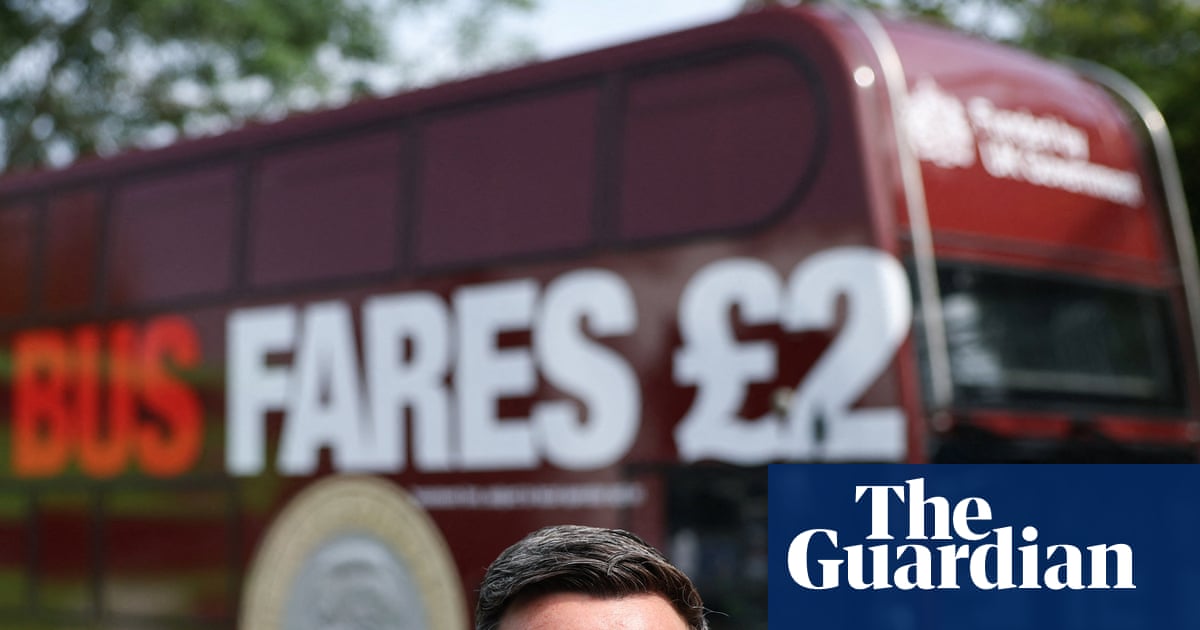
UK Introduces £2 Bus Fare Cap Amidst Funding Debate
A new initiative to cap bus fares at a maximum of £2 for single journeys across England has officially launched, marking a significant development in the UK's public transport landscape. Prime Minister Rishi Sunak heralded the scheme as a vital measure to support households struggling with the escalating cost of living. The cap, implemented from January 1st, 2023, initially set to last for three months, has now been extended, offering continued relief to commuters across the country.
What Happened? The £2 Bus Fare Cap Initiative
The £2 bus fare cap was announced as part of the government's strategy to alleviate financial pressures on the public. This policy allows passengers to travel on most bus routes for no more than £2 per single journey. The scheme is a collaborative effort involving the Department for Transport and numerous bus operators nationwide. While the government is providing subsidies to bus companies to compensate for the reduced fares, the exact financial arrangements and the long-term sustainability of the cap remain subjects of ongoing discussion and scrutiny.
Why It Matters: Affordability and Economic Impact
The introduction of the £2 bus fare cap is significant for several reasons. Firstly, it directly addresses the affordability of public transport, which has become increasingly costly for many. This can encourage more people to use buses, potentially reducing car dependency, easing traffic congestion, and contributing to environmental goals. Secondly, the scheme has economic implications for both passengers and the bus industry. For passengers, it offers immediate savings, freeing up household budgets. For bus operators, the government's subsidy is intended to maintain services despite lower passenger revenue per ticket.
"This £2 cap is just the start. We need a long-term plan to bring bus travel back to the centre of our transport policy, making it affordable, reliable and accessible for everyone."
– A common sentiment echoed by public transport advocates.
Background Context: Rising Costs and Political Promises
The fare cap comes at a time when the UK is grappling with high inflation and a broader cost of living crisis. Energy bills, food prices, and general transportation costs have surged, placing a significant burden on families. The government has faced increasing pressure to implement measures that provide direct financial relief. Furthermore, capping bus fares aligns with political promises made by various parties to invest in and improve public transport infrastructure and affordability. However, the funding mechanism for this cap has become a point of contention, particularly concerning its potential impact on other areas of public spending.
The Funding Controversy: Aid Budget Concerns
A major point of debate surrounding the £2 bus fare cap is its funding. Reports from The Guardian indicated that a significant portion of the funding might be redirected from the UK's overseas aid budget. This has drawn sharp criticism from various quarters. Andy Burnham, Mayor of Greater Manchester, has been particularly vocal, warning that diverting funds from aid could harm the world's poorest populations. The Telegraph has also highlighted the "farce" surrounding the funding, suggesting a lack of clarity and potential short-sightedness in the government's financial planning for the initiative. This controversy raises ethical questions about national priorities and the government's commitment to international development goals.
What to Expect Next: Long-Term Viability and Policy Shifts
The future of the £2 bus fare cap hinges on its long-term viability and the government's ability to secure sustainable funding. While the initial extension has provided a reprieve, questions remain about what happens after the current funding arrangements conclude.
- Public Reaction: Continued monitoring of public uptake and satisfaction with the fare cap will be crucial.
- Bus Industry Impact: The long-term financial health of bus operators under subsidized fare structures needs to be assessed.
- Political Debate: The funding source for the cap is likely to remain a contentious issue, influencing future budget allocations and policy decisions.
- Broader Transport Strategy: Whether this fare cap is a standalone measure or part of a larger strategy to revolutionize public transport in the UK will become clearer over time.
The £2 bus fare cap represents a complex policy with both clear benefits for commuters and significant questions regarding its financial sustainability and ethical implications. As the scheme progresses, its true impact on individuals, the transport sector, and the UK's broader financial commitments will undoubtedly continue to be a topic of intense public and political interest.