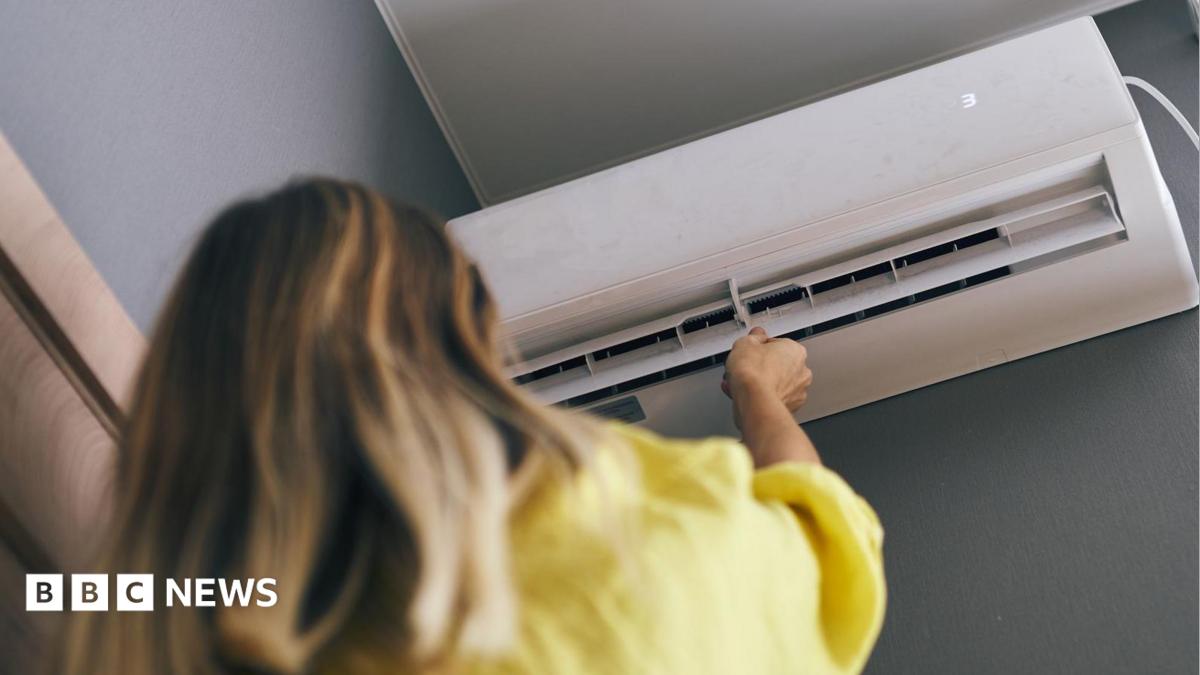
Record Heatwaves Drive Surge in Portable Air Cooler and Conditioner Demand
As the UK grapples with unprecedented heatwaves, the demand for effective home cooling solutions has skyrocketed. News outlets are reporting a significant uptick in sales for air conditioning units, with consumers actively seeking ways to beat the sweltering temperatures. This surge in interest places a spotlight on portable air coolers and conditioners as accessible, albeit sometimes costly, options for individuals looking to find relief from the heat.
What's Happening? Record Temperatures Trigger Cooling Craze
Recent news from the BBC, The Times, and The Telegraph all point to a common theme: record-breaking temperatures are forcing Britons to invest in ways to cool their homes. The intense heat has made traditional methods of staying cool insufficient, leading many to explore more active cooling technologies. Portable air coolers and conditioners have emerged as a popular choice due to their perceived ease of use and the ability to target specific rooms or areas.
The surge in demand reflects a growing challenge in adapting to climate change, where heatwaves are becoming more frequent and intense.
Why Does This Matter? Adapting to a Warming Climate
The increasing reliance on air conditioning, particularly portable units, raises important questions about energy consumption, environmental impact, and accessibility. While these devices offer immediate relief, their widespread use contributes to higher electricity bills and increased carbon emissions. The discussions also touch upon the societal preparedness for extreme heat events and the effectiveness of different cooling strategies in the long term.
Background Context: A History of Heat and Cooling
While air conditioning has long been a staple in many parts of the world, its adoption in the UK has historically been lower than in hotter climates, partly due to milder summers and cost considerations. However, with recent summers experiencing more frequent and intense heatwaves, the perception and necessity of air conditioning are shifting. The current trend suggests a move towards greater adoption of cooling technologies as a standard measure against rising global temperatures.
The distinction between air coolers (which use water evaporation and are generally less powerful but more energy-efficient) and air conditioners (which use refrigerants to actively cool the air and are more effective but consume more energy) is crucial. Consumers are increasingly researching these differences to find the best fit for their needs and budgets.
What to Expect Next: Future of Cooling in the UK
Looking ahead, it is likely that the demand for portable cooling solutions will continue to grow if heatwaves become a more regular feature of UK summers. This could lead to:
- Increased innovation in energy-efficient cooling technologies.
- Greater public discourse on the environmental impact of air conditioning.
- Potential policy discussions around building standards and cooling regulations.
- A shift in consumer behaviour towards proactive heat management in homes.
The current trend of purchasing portable air conditioners and coolers is a direct response to immediate environmental conditions, but it also signals a potential long-term adaptation to a changing climate. As temperatures continue to rise, the market for these devices is expected to expand, making informed choices about their use and impact more critical than ever.
Key considerations for consumers choosing a portable unit include:
- Cooling Capacity (BTU): Ensure it's suitable for the size of the room.
- Energy Efficiency: Look for high energy ratings to minimize running costs.
- Noise Level: Especially important for bedroom or office use.
- Features: Such as dehumidifier modes, fan speeds, and timers.
- Ventilation Requirements: Portable air conditioners require an exhaust hose to vent hot air outside.
The ongoing discussions, like that involving Ed Miliband cited by The Telegraph, highlight the complex debate surrounding the widespread adoption of air conditioning in the UK, balancing immediate comfort with broader environmental and economic concerns.