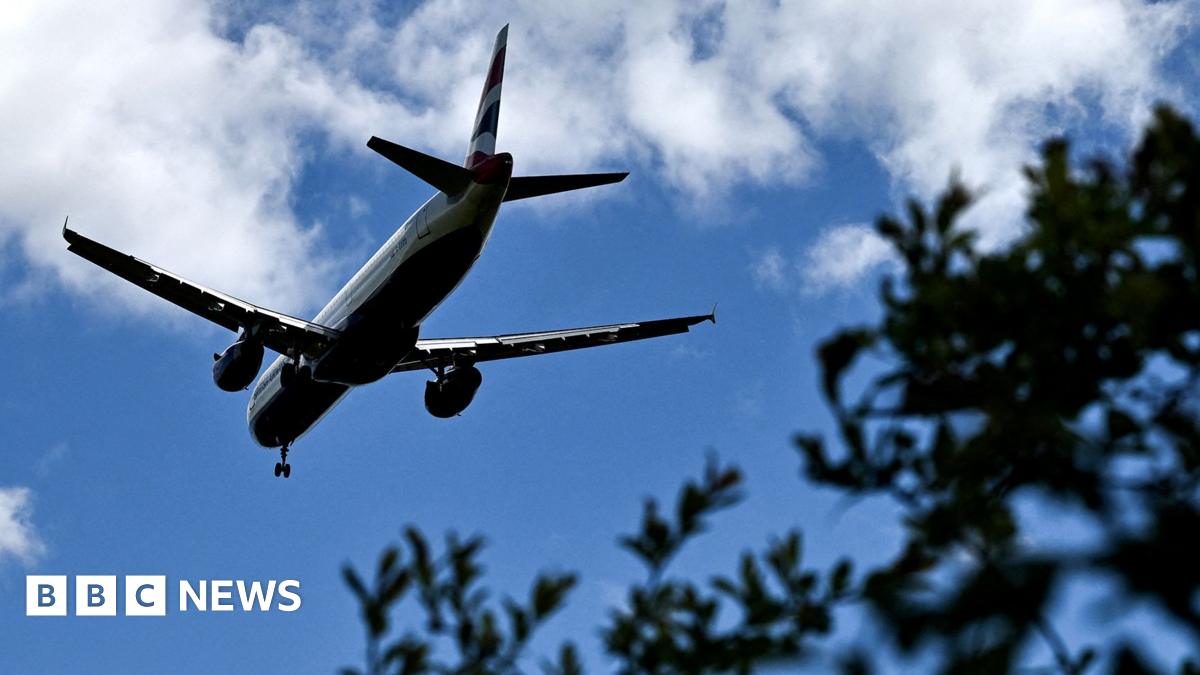
Air Travel Faces Turbulence: Rising Fares and Fuel Shortage Debates
The aviation industry is currently at the center of a complex and evolving narrative, driven by concerns over escalating airfares and a contentious debate surrounding the reality of airplane fuel shortages. Recent news indicates that travelers, particularly in Europe, should brace for significantly higher ticket prices in the upcoming period. This trend is directly linked to a confluence of global geopolitical instability and strategic decisions by airlines.
What is Happening?
The primary driver for the predicted increase in airfares, especially within Europe, is the escalating geopolitical situation involving Iran. Analysts and industry figures are warning that the ongoing conflict is creating an environment where higher air fares are 'inevitable.' This is attributed to potential disruptions in global energy markets, which could impact the availability and cost of jet fuel, a critical component of airline operations. When fuel costs rise, airlines often pass these expenses on to consumers in the form of higher ticket prices.
Adding another layer to the discussion is a sharp disagreement regarding the existence and extent of airplane fuel shortages. One prominent CEO from the private jet sector has publicly stated that the notion of a widespread fuel shortage is a 'myth.' According to this viewpoint, airlines might be leveraging the idea of a shortage to justify the cancellation of flights that are deemed unprofitable. This counter-argument suggests that the issues might be more strategic and economic for individual carriers rather than a systemic lack of fuel.
Why Does This Matter?
The implications of these developments are far-reaching. For everyday travelers, rising airfares mean that vacations, business trips, and family visits will become more expensive, potentially limiting travel opportunities. This could have a ripple effect on tourism-dependent economies and the broader travel industry. The debate over fuel shortages also raises questions about transparency within the airline industry and how operational decisions are communicated to the public.
Furthermore, the connection between geopolitical events and the cost of essential services like air travel underscores the interconnectedness of the modern world. Instability in one region can have tangible economic consequences across the globe, affecting everything from consumer prices to business logistics.
Background Context
Jet fuel costs are notoriously volatile and are a significant factor in an airline's operating expenses, often representing 20-30% of the total. Historically, periods of geopolitical tension, particularly in oil-producing regions, have led to spikes in fuel prices. Airlines have various strategies to mitigate these risks, including hedging against fuel price fluctuations, optimizing flight routes, and increasing ticket prices. The effectiveness of these strategies can vary significantly depending on the airline's financial health and market conditions.
“The soaring price of jet fuel is a major concern for airlines worldwide. Finding reliable and affordable fuel sources in times of global uncertainty is a constant challenge.”
The debate about fuel shortages is not entirely new. In the past, similar discussions have arisen where airlines have been accused of exaggerating operational challenges to manage capacity or influence pricing. The current situation, however, appears to be amplified by the specific context of ongoing international conflicts and their potential impact on global supply chains.
What to Expect Next
Travelers are advised to monitor airfare prices closely and consider booking flights sooner rather than later, especially if travel plans are flexible. Airlines will likely continue to adjust their pricing strategies in response to fuel costs and market demand. The outcome of geopolitical situations will play a crucial role in stabilizing or further disrupting fuel markets.
It is also possible that the debate surrounding fuel availability will lead to increased scrutiny of airline practices. Consumers and regulators may demand greater clarity on the factors influencing flight cancellations and pricing. The industry may need to demonstrate a clearer justification for fare increases beyond simply citing fuel costs, particularly if alternative explanations gain traction.
In the short term, expect continued volatility in airfares. Longer-term, the industry's resilience will be tested as it navigates fuel supply challenges and evolving consumer expectations. The drive towards more sustainable aviation fuels and more fuel-efficient aircraft could also see renewed urgency in light of these current pressures.