Armed forces are trending due to international military exercises like EFES-2026 involving multiple nations, and new initiatives supporting military veterans in the business sector. These events highlight global defense readiness and veteran integration into civilian careers.
Why Is This Trending?
The world of armed forces is currently a focal point of global discussions, driven by significant international military exercises and crucial support initiatives for service members and veterans. The EFES-2026 exercise, notably featuring Syria's participation in Türkiye for the first time, underscores shifting geopolitical dynamics and collaborative defense efforts across continents. Simultaneously, the business world is showing its commitment to those who have served, with organizations like NatWest partnering with X-Forces Enterprise to launch dedicated support programs within their accelerator app, fostering entrepreneurship among armed forces alumni. These developments collectively paint a picture of active global defense engagement and a growing recognition of the value veterans bring to the economy.
Global Military Engagements and Veteran Support Initiatives Drive Armed Forces Trends
The term "armed forces" is currently resonating across global news cycles, propelled by two distinct yet interconnected narratives: large-scale international military exercises and enhanced support systems for military veterans transitioning into civilian life. These trends highlight both the complex geopolitical landscape and the commitment to those who have served their nations.
What Happened: EFES-2026 and Veteran Business Empowerment
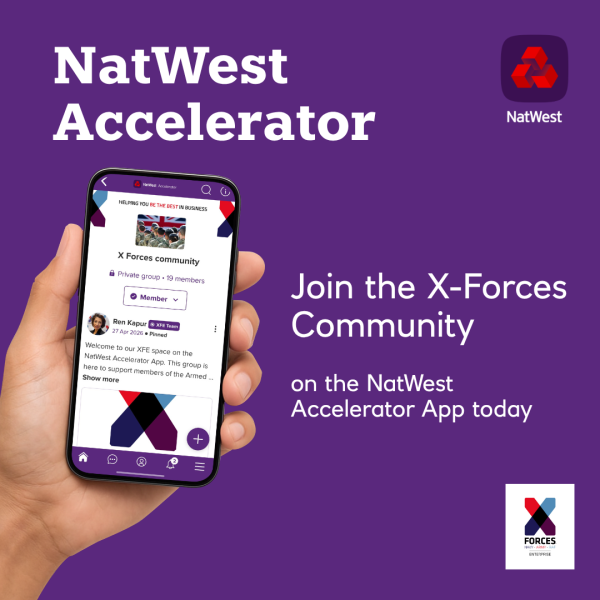
A significant driver of recent attention is the ongoing EFES-2026 exercise, a major international drill hosted by Türkiye. This year's iteration is particularly noteworthy for the participation of Syria, marking a significant diplomatic and military engagement for the region. The exercise involves over 50 nations, showcasing a broad spectrum of global military cooperation and strategic alignment. These drills are designed to enhance interoperability between allied forces, test advanced military technologies, and project strategic reach. Meanwhile, in the corporate and entrepreneurial sphere, initiatives like the one launched by NatWest in partnership with X-Forces Enterprise (XFE) are gaining traction. They have established a dedicated Armed Forces Business Community within the NatWest Accelerator App, aiming to provide tailored support, resources, and networking opportunities for veterans looking to start or grow businesses. This program leverages the skills and experiences of ex-service personnel, fostering a new generation of business leaders.
Why It Matters: Geopolitics, Defense Readiness, and Economic Integration
The prominence of the EFES-2026 exercise signals important shifts in international relations and defense strategy. The participation of a diverse range of nations, including those with previously complex relationships, suggests a global effort towards dialogue and a shared approach to security challenges. For participating countries, these exercises are crucial for maintaining combat readiness, understanding evolving threats, and strengthening alliances. The inclusion of Syria, as reported by Janes, is a particularly sensitive development that could influence regional stability and diplomatic dialogues. On the home front, the focus on veteran support through initiatives like NatWest's program matters profoundly. It acknowledges the immense value that military personnel bring to the workforce and economy. By providing specialized business support, these programs help veterans translate their discipline, leadership, and problem-solving skills into successful civilian careers, thereby enriching the business landscape and supporting national economic growth.
"The unique skills and experiences gained in the armed forces are highly transferable to the business world. Our goal is to provide the right platform and network for these individuals to thrive."
Background Context: Global Military Cooperation and Veteran Support Evolution
International military exercises have long been a cornerstone of defense diplomacy. Events like EFES-2024 (even though the report mentions EFES-2026, the context likely refers to ongoing exercises) aim to simulate realistic combat scenarios, test new equipment, and foster trust between military units from different countries. Türkiye, as a strategic hub, frequently hosts such large-scale drills involving NATO allies and partner nations. The expansion of participants, as seen with Syria, indicates a potential recalibration of regional alliances and security dialogues. Concurrently, the landscape of veteran support has evolved significantly. Historically, reintegration often focused on employment matching. Today, there's a greater emphasis on entrepreneurship and leveraging the specific leadership qualities of service leavers. Organizations like X-Forces Enterprise have been at the forefront of this movement, recognizing that many veterans possess the drive and resilience to become successful business owners. The collaboration with major financial institutions like NatWest amplifies the reach and impact of these support networks.
What to Expect Next: Continued Geopolitical Tensions and Expanding Veteran Ecosystems
Looking ahead, the dynamics highlighted by these trends are likely to persist. The geopolitical landscape will continue to necessitate robust international military cooperation, and exercises like EFES-2026 will remain critical tools for managing global security. We can anticipate further developments in regional alliances and defense postures as nations adapt to evolving threats. On the veteran support front, expect to see more collaborations between financial institutions, government agencies, and non-profit organizations. The focus will increasingly be on creating comprehensive ecosystems that offer not just funding, but also mentorship, training, and market access for veteran-led businesses. The success of these programs will not only benefit the veterans themselves but also contribute to a more dynamic and resilient economy overall. The integration of service members and veterans into all facets of society, including entrepreneurship, is becoming an increasingly recognized strategic imperative.
International Defense: Major exercises like EFES-2026 involving numerous nations.
Geopolitical Signaling: Participation of countries like Syria in drills suggests evolving regional dynamics.
Veteran Entrepreneurship: New business support initiatives for ex-service personnel.
Public-Private Partnerships: Collaboration between banks and veteran support organizations.
Armed forces are trending due to significant international military exercises like EFES-2026, which involves over 50 nations and highlights global defense cooperation. Additionally, new business support initiatives for veterans, such as the one launched by NatWest, are drawing attention to the post-service careers of military personnel.
What is EFES-2026?
EFES-2026 is a large-scale international military exercise hosted by Türkiye. It brings together over 50 nations to enhance interoperability, test military technologies, and strengthen defense alliances. This year's exercise is particularly noted for the participation of Syria.
What support is available for armed forces veterans?
There are growing initiatives to support veterans in their transition to civilian life, particularly in entrepreneurship. For example, NatWest, in partnership with X-Forces Enterprise, has launched a dedicated Armed Forces Business Community within their Accelerator App to provide resources and networking for veteran business owners.
Why is Syria's participation in EFES-2026 significant?
Syria's participation in the EFES-2026 drill in Türkiye is significant as it marks a notable diplomatic and military engagement for the region. It potentially reflects shifting geopolitical dynamics and opens avenues for dialogue in an area often marked by complex relationships.
How do initiatives like NatWest's help veterans?
Initiatives like NatWest's Armed Forces Business Community help veterans by providing tailored business support, access to networks, and resources specifically designed for entrepreneurs. This helps them leverage their unique skills and experiences gained in service to build successful civilian careers and businesses.