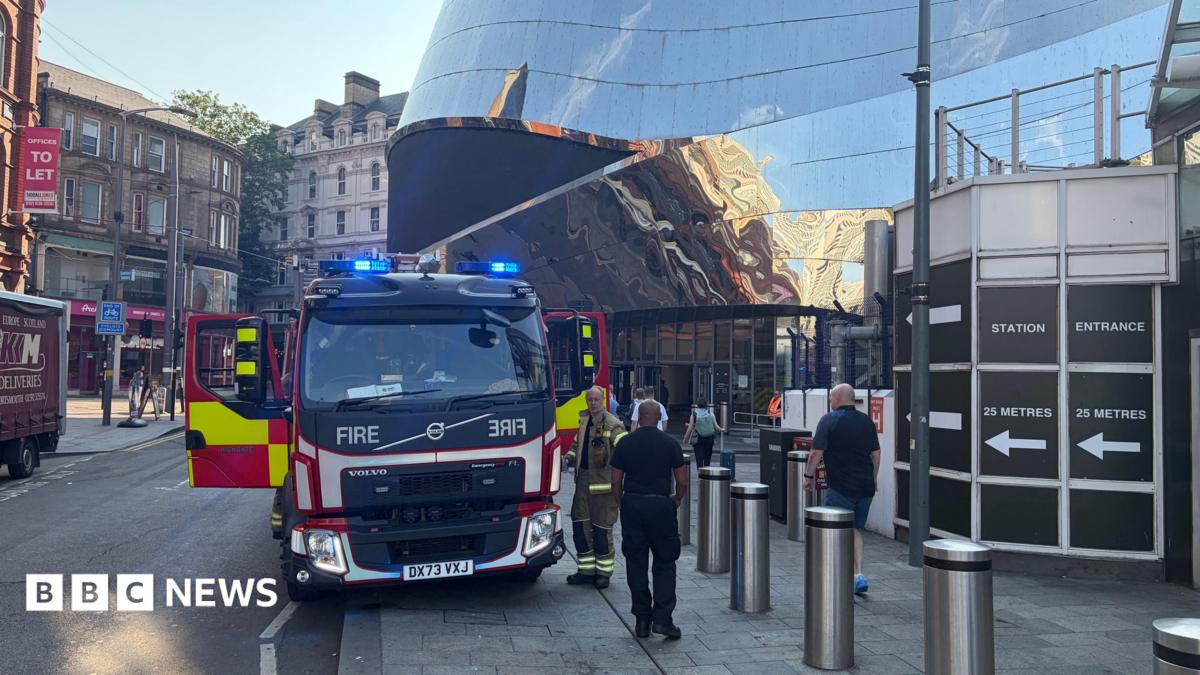
Birmingham Grapples with Severe Rail Disruption Amidst Fire and Strikes
Birmingham, a major hub for national and regional transport, is currently experiencing unprecedented levels of rail disruption. The city's transport network, particularly its flagship station, Birmingham New Street, has been severely impacted by a confluence of factors including recent fire incidents and ongoing industrial action by rail staff. This dual challenge has led to significant delays, cancellations, and widespread passenger frustration, impacting thousands of travelers daily.
What Happened?
The most immediate cause for alarm and disruption was a fire incident that necessitated the evacuation of Birmingham New Street station. While details regarding the cause and extent of the fire are still emerging, the immediate aftermath saw all train services to and from the station suspended or severely curtailed. This operational halt caused immediate and widespread travel chaos, affecting numerous routes and connecting services across the country. Compounding this emergency situation is the ongoing effect of strike action by various rail unions. These planned industrial disputes have already been significantly disrupting train services on specific days, leading to reduced timetables and cancellations. The fire at New Street has amplified the existing challenges posed by the strikes, creating a 'perfect storm' for rail travelers.
Why It Matters
Birmingham New Street is one of the busiest stations in the UK, serving as a vital gateway for millions of passengers annually. It is a crucial interchange for both long-distance routes, such as those connecting London, Manchester, and Scotland, as well as regional services across the West Midlands. Any significant disruption at this station has a cascading effect on the entire national rail network. The current situation not only inconveniences individual travelers trying to get to work, appointments, or holidays but also has broader economic implications. Businesses rely on the timely movement of people and goods, and persistent rail disruption can lead to lost productivity and economic losses. Furthermore, for a city like Birmingham, which hosts major events and attracts significant tourism, such disruptions can impact its reputation as a accessible and reliable destination.
Background Context
The ongoing strike action is part of a wider dispute between rail unions and train operating companies over pay, job security, and working conditions. These industrial actions have been a recurring feature of the rail landscape for some time, with different unions coordinating stoppages on various dates. The unions argue that their members are facing real-terms pay cuts and that the railway industry is undergoing changes that threaten jobs. The train companies and the government, on the other hand, cite the need for modernization and efficiency in a sector heavily impacted by post-pandemic shifts in travel patterns. The recent fire incident, while seemingly an isolated event, highlights the vulnerability of critical infrastructure and the operational challenges faced by railway operators, especially when already under strain from industrial disputes.
What to Expect Next
The immediate future for rail travelers in and around Birmingham remains uncertain. Services are expected to gradually resume following the fire incident, but passengers are strongly advised to check their journey status before traveling. Updates on the extent of damage and the timeline for full operational capacity at Birmingham New Street will be crucial. Regarding the strike action, further dates are often announced with limited notice, and passengers should remain vigilant and plan their travel accordingly. Rail operators typically provide revised timetables during strike periods. Long-term, the resolution of the ongoing industrial disputes will be key to restoring stability to the rail network. Negotiations between unions and employers are ongoing, but progress has been slow. The frequency and impact of future disruptions will depend heavily on the outcome of these talks and any potential government intervention or mediated settlements.
Passengers are urged to monitor official railway operator websites and live travel updates for the most current information regarding their specific routes and any changes to services.
The current situation underscores the delicate balance within the UK's rail network, where operational integrity and industrial relations are constantly tested. As Birmingham navigates this period of significant travel disruption, the focus remains on restoring services safely and efficiently while seeking a sustainable resolution to the underlying industrial disputes.