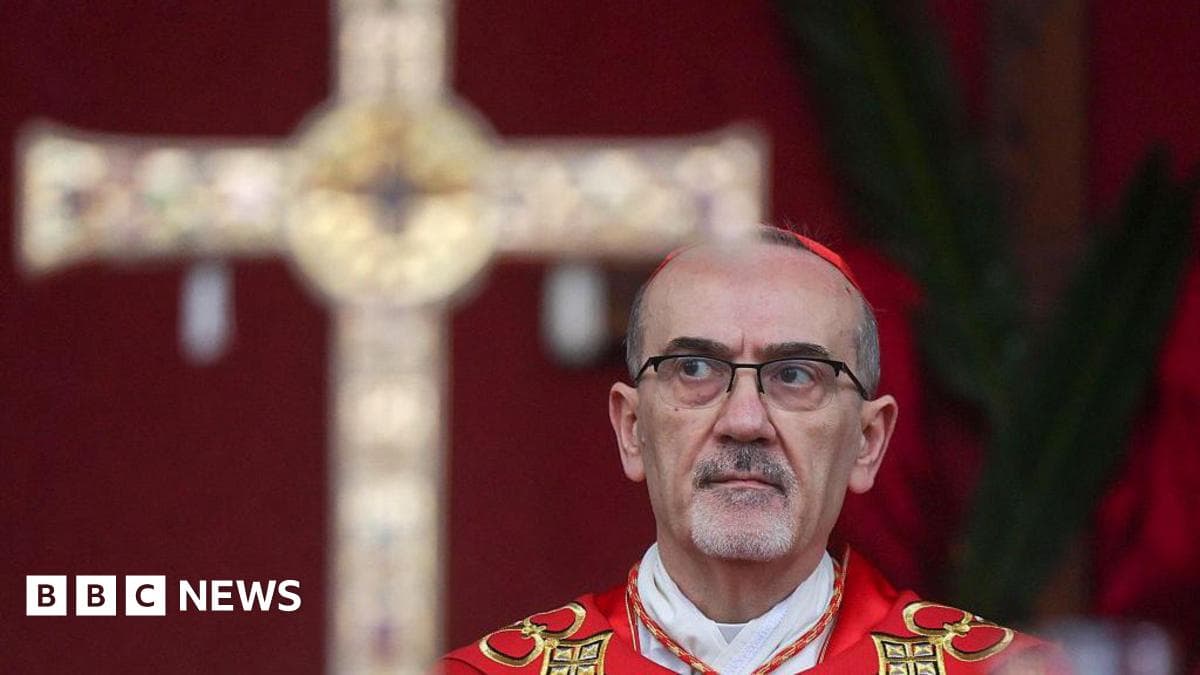
Church of the Holy Sepulchre
World2000+ searches
Quick Answer
The Church of the Holy Sepulchre is trending due to Israeli police blocking the Latin Patriarch from entering on Palm Sunday. This unprecedented event, described as the first in centuries, has sparked significant international concern and condemnation.
Why Is This Trending?
Tensions flared at one of Christianity's holiest sites, the Church of the Holy Sepulchre in Jerusalem, on Palm Sunday. For the first time in centuries, Israeli police reportedly prevented the Latin Patriarch, the senior Catholic cleric in the Holy Land, from accessing the church to lead Palm Sunday mass. This blockage has drawn widespread criticism from religious leaders and international bodies, highlighting the fragility of religious freedom and access in the region.
The incident underscores ongoing friction surrounding religious sites in Jerusalem and raises serious questions about the management of access to sacred spaces. The Patriarch's inability to enter the Sepulchre, a site revered by Christians as the location of Jesus' crucifixion and burial, has amplified concerns about the free exercise of religion and the potential for such restrictions to escalate.
Unprecedented Blockage at the Church of the Holy Sepulchre Sparks Global Outcry
The Church of the Holy Sepulchre, one of the holiest sites in Christianity, has become the focal point of international attention following an unprecedented incident on Palm Sunday. For the first time in centuries, Israeli police reportedly barred the Latin Patriarch, the most senior Catholic clergyman in the Holy Land, from entering the sacred compound. This dramatic event has ignited widespread condemnation and raised urgent questions about religious freedom and access in Jerusalem.
What Happened?
On Palm Sunday, a day of immense significance for Christians commemorating Jesus' triumphant entry into Jerusalem, the Latin Patriarch was prevented from entering the Church of the Holy Sepulchre. Reports from multiple news outlets, including the BBC, Financial Times, and The Telegraph, indicate that Israeli police enforced a blockage, denying the Patriarch access to lead the customary Palm Sunday mass. This action is being described as a historic rupture, with many noting it as the first such occurrence in modern history.
Why Does This Matter?
The Church of the Holy Sepulchre holds profound religious significance, believed by Christians to be the site of Jesus' crucifixion, burial, and resurrection. The Latin Patriarch serves as the spiritual leader for the Catholic community in the Holy Land, and his exclusion from this pivotal site on such an important day is seen as a deeply symbolic and concerning event. It raises critical issues regarding:
- Religious Freedom: The blockage is perceived by many as a violation of the fundamental right to religious freedom and the ability of religious leaders to minister at their most sacred sites.
- Access to Holy Sites: The incident highlights the contentious nature of access and control over religious landmarks in Jerusalem, a city of immense spiritual importance to Judaism, Christianity, and Islam.
- International Relations: The strong reactions from religious and diplomatic communities underscore the international sensitivity surrounding religious affairs in the Holy Land and the potential for such events to impact broader geopolitical relations.
"This is an unprecedented and deeply concerning act that strikes at the heart of religious freedom and access to holy sites." - (Paraphrased sentiment from news reports)
Background Context
Jerusalem is a city with deep historical and religious ties for three major Abrahamic faiths. The various holy sites within its walls, including the Church of the Holy Sepulchre, are often subject to complex administrative arrangements and political sensitivities. Historically, the administration and access to the Church of the Holy Sepulchre itself is governed by a delicate status quo among various Christian denominations, and interactions with secular authorities can be complex.
Recent weeks and months have seen increased tensions in the region, with various reports detailing concerns over actions affecting Christian communities. The blockage of the Patriarch on Palm Sunday appears to be part of a pattern of events that have heightened anxieties among religious minorities and their supporters globally. The specific reasons cited by Israeli authorities for the blockage have been attributed to security concerns or administrative disputes, but the impact has been widely interpreted as a restriction on religious practice.
What to Expect Next
The strong international condemnation following the Palm Sunday incident suggests that this issue will likely remain a significant point of diplomatic and religious concern. Further dialogue and potentially diplomatic interventions are expected as religious leaders and governments seek to ensure unimpeded access to the Church of the Holy Sepulchre and other holy sites. The long-term implications could involve renewed efforts to solidify protections for religious freedom in Jerusalem and to address the complex issues surrounding the governance of sacred spaces. The incident serves as a stark reminder of the delicate balance that exists in managing religious heritage and practice in this historically charged region.
Related News
Frequently Asked Questions
Why is the Church of the Holy Sepulchre trending today?
The Church of the Holy Sepulchre is trending because Israeli police reportedly blocked the Latin Patriarch from entering the site on Palm Sunday. This event is described as unprecedented in centuries and has drawn significant international criticism.
What happened at the Church of the Holy Sepulchre on Palm Sunday?
On Palm Sunday, Israeli police prevented the senior Catholic leader in the Holy Land, the Latin Patriarch, from entering the Church of the Holy Sepulchre. He was unable to lead the customary Palm Sunday mass at this significant Christian site.
Why is the Latin Patriarch's access to the Church of the Holy Sepulchre important?
The Latin Patriarch is the highest-ranking Catholic cleric in the Holy Land. His exclusion from the Church of the Holy Sepulchre, revered as the site of Jesus' crucifixion and burial, on a major Christian holiday is seen as a significant affront to religious freedom.
What is the historical significance of the Church of the Holy Sepulchre?
The Church of the Holy Sepulchre is considered by Christians to be the site of Jesus' crucifixion, burial, and resurrection. It is one of the holiest sites in Christianity and attracts millions of pilgrims annually.
What has been the reaction to the blockage at the Church of the Holy Sepulchre?
The incident has faced widespread condemnation from religious leaders and international bodies. It has raised serious concerns about religious freedom and access to holy sites in Jerusalem.