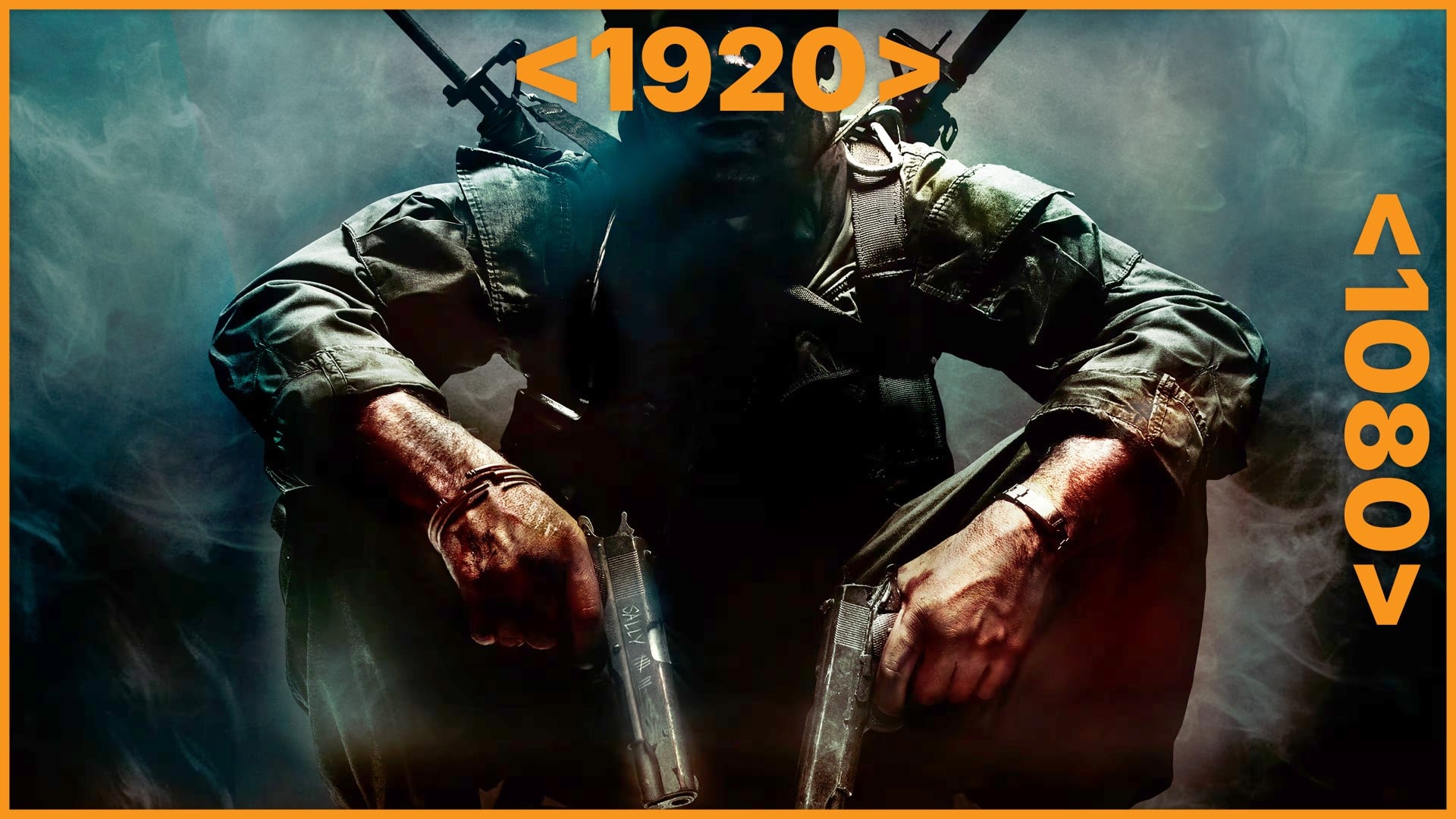
Call of Duty: Black Ops 1 & 2 Arrive on PS5, But Not Without Controversy
The iconic Call of Duty: Black Ops series has made its way to the PlayStation 5, but the "next-gen" experience many were hoping for has proven to be a complex and divisive issue. While Call of Duty: Black Ops 1 and 2 are now available for purchase digitally on the PS5, the nature of these releases has ignited a firestorm among fans and industry observers. The core of the controversy lies in the fact that these are not new, ground-up remasters or native PS5 versions, but rather digital ports of the PlayStation 3 era games, playable through backward compatibility.
What Happened? The Digital Re-Release of Black Ops 1 & 2
Activision has officially made Call of Duty: Black Ops 1 and 2 available for digital download on the PlayStation Store for PS5 consoles. This move has been met with a mix of excitement and significant disappointment. The excitement stems from the simple fact that these highly acclaimed titles are now more accessible to a new generation of gamers and those who may have missed out or lost their physical copies. However, the disappointment quickly set in as details about the nature of the ports emerged.
Contrary to what some might have expected, these are not full remasters with updated graphics, features, or native PS5 enhancements like ray tracing or faster load times inherent to the new hardware. Instead, they are essentially the original games from the PS3/Xbox 360 generation, packaged for digital sale and running on the PS5 via its backward compatibility capabilities. This means that while they can be played on the PS5, they are still fundamentally the games as they were released over a decade ago.
Why It Matters: The Price Tag and Lack of Next-Gen Polish
The primary point of contention is the pricing strategy adopted by Activision. Reports from outlets like IGN and Digital Foundry indicate that these digital ports are being sold at a premium, with prices around $40 or £35. For games that are essentially digital versions of older titles, with minimal graphical upgrades (some reports suggest basic 1080p enhancements at best, as analyzed by Digital Foundry), this price point has been widely criticized as excessive.
Fans were bracing for a certain level of cost, but the perceived lack of substantial improvements has amplified the backlash. The expectation for a PS5 release, even for older titles, often includes a significant visual and performance overhaul. The absence of such enhancements, coupled with the digital-only nature of the release (meaning no physical collector's editions or bundles are readily available), has left many feeling shortchanged. The context provided by Digital Foundry's analysis, highlighting the basic 1080p upgrade for Black Ops 1, further fuels the argument that the value proposition is weak.
"Fans were bracing for a certain level of cost, but the perceived lack of substantial improvements has amplified the backlash."
Background Context: A History of Beloved Black Ops Titles
The Call of Duty: Black Ops sub-series, developed primarily by Treyarch, has a storied history within the franchise. Black Ops 1, released in 2010, was lauded for its gripping narrative, innovative multiplayer features, and introduction of the popular Zombies mode. Its success paved the way for Black Ops 2 in 2012, which further pushed the boundaries with its branching storyline, futuristic setting, and refined multiplayer. Both titles are considered fan favorites and have maintained a strong following over the years.
The demand for modern versions of these games has been consistent. Players have often requested full remasters or native next-gen ports, similar to what has been done for other Call of Duty titles like Modern Warfare. The absence of such dedicated remasters for the original Black Ops entries, until now, has left a void. This latest digital re-release is the closest fans have come to official modern access, but the execution has missed the mark for many.
What to Expect Next: The Future of Legacy Call of Duty Titles on PS5
The current situation with Black Ops 1 and 2 on PS5 raises questions about how Activision plans to handle legacy titles moving forward. Will there be further enhancements or native PS5 versions released down the line? Or is this digital re-release model the new standard for bringing older Call of Duty games to current-generation consoles?
Based on the current reception, it's unlikely that Activision can ignore the community's feedback for long. There's a clear appetite for high-quality remasters of these classic Black Ops games. Whether this translates into actual development of such projects remains to be seen. For now, players can purchase and play the PS3 versions on their PS5s, but the debate over value and authenticity will likely continue. Fans hoping for a true next-gen Black Ops experience might need to wait for future announcements or for Activision to address the concerns raised by this controversial release.
- Current Availability: Digital-only download on the PlayStation Store for PS5.
- Nature of Release: Backward-compatible PS3 era versions.
- Key Criticisms: High price point ($40/£35) for what are perceived as minimal upgrades and lack of native PS5 features.
- Fan Demand: High for full remasters or native next-gen ports.