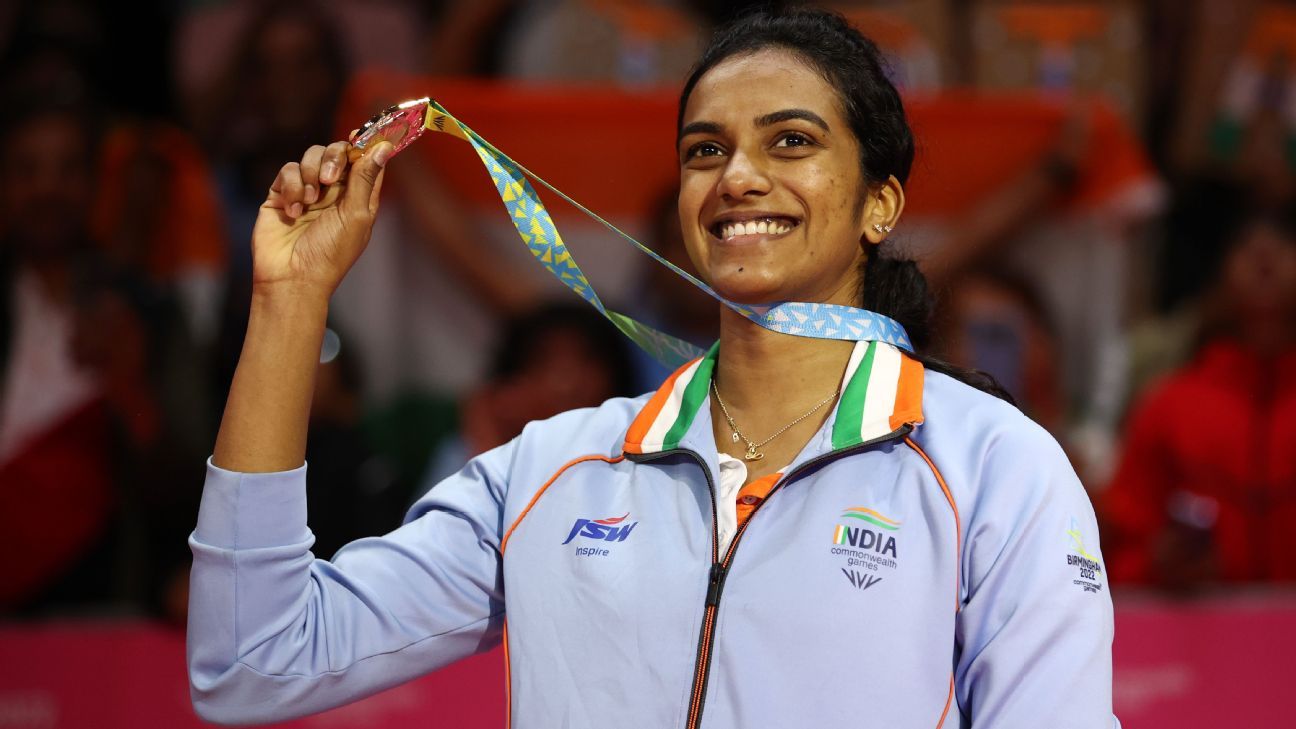
Commonwealth Games: Navigating Sport Inclusion and Athlete Preparation
The Commonwealth Games are once again capturing attention, not just for the thrilling athletic performances they promise, but also for the strategic decisions shaping their future. This year, a significant point of discussion revolves around the specific sports slated for the 2026 Commonwealth Games, with particular concern raised by countries like India over the potential exclusion of their strongest disciplines. This evolving landscape of sport inclusion directly impacts athlete preparation, national strategies, and the overall narrative of the Games.
What Happened: Sport Selection Controversy
Recent news has brought to light a growing concern regarding the composition of sports at the upcoming Commonwealth Games in 2026. Specifically, disciplines where India has traditionally excelled and secured a substantial number of medals, such as badminton, wrestling, and hockey, are reportedly missing from the proposed program. This potential exclusion has sparked considerable debate and disappointment among athletes, coaches, and sports federations in India, as it directly affects their medal-winning prospects and long-term planning.
Why It Matters: Impact on Athletes and National Performance
The inclusion or exclusion of sports at the Commonwealth Games has profound implications. For athletes who have dedicated years of training to excel in specific disciplines, a sudden removal from the Games roster can be devastating. It disrupts their competitive calendar and potentially diminishes opportunities for international exposure and achievement. For nations like India, where sports like wrestling and badminton are sources of national pride and significant medal hauls, the absence of these events can reshape their overall performance expectations and ranking within the Commonwealth.
The strategic decisions on sport inclusion are crucial for maintaining the relevance and competitive spirit of the Commonwealth Games across all member nations.
Furthermore, the financial aspect of athlete preparation is a critical component. Reports indicate that substantial sums, exceeding Rs 50 crore, have been invested in preparing Indian athletes for the Commonwealth Games. This significant expenditure underscores the commitment to athletic development and the high expectations placed on the athletes to perform. The narrative becomes complex when considerable resources are funneled into training for sports that may not even feature in the Games, leading to questions about resource allocation and strategic foresight.
Background Context: Evolution of the Commonwealth Games
The Commonwealth Games, often referred to as the 'Friendly Games', have a rich history dating back to 1930. Initially known as the British Empire Games, they have evolved significantly over the decades. The Games provide a platform for athletes from the 72 Commonwealth nations and territories to compete against each other. The selection of sports has always been a dynamic process, often influenced by host city preferences, commercial viability, and the desire to introduce new and popular disciplines.
Historically, the Games have featured a core set of sports, but there has always been flexibility to add or remove events. This flexibility, while allowing for modernization, can also lead to controversy, especially when traditional medal-winning sports are affected. The Commonwealth Games Federation (CGF) works with host cities to finalize the sports program, aiming for a balance that appeals to a wide audience and showcases the diversity of Commonwealth sport.
What to Expect Next: Future of Sport Inclusion and Athlete Focus
The current discussions around sport inclusion are likely to continue, potentially leading to further negotiations between the CGF, host cities, and participating nations. Athletes and sports bodies will be advocating for the reinstatement or inclusion of their respective disciplines. The focus will remain on ensuring that the Commonwealth Games continue to be a truly representative and competitive event for all member nations.
Simultaneously, the significant investment in athlete preparation suggests a strong commitment to performance, regardless of the final sports list. National sporting bodies will likely adapt their strategies, focusing on the sports that remain on the program and perhaps seeking alternative international platforms for athletes in excluded disciplines. The coming months will be crucial in clarifying the final sports program for the 2026 Commonwealth Games and understanding the long-term implications for the athletes and the spirit of the Games.
- Athlete Advocacy: Expect continued lobbying from athletes and federations for the inclusion of sports like badminton, wrestling, and hockey.
- Strategic Adaptations: National sports bodies may revise training programs and long-term athlete development plans.
- Host City Influence: The final decision on sports often rests with the host city in consultation with the CGF.
- Investment in Excellence: Continued focus on high-performance training for all athletes, irrespective of the final sports list.
The Commonwealth Games represent more than just a sporting event; they are a symbol of unity and healthy competition among nations. The ongoing dialogue about sport inclusion and the substantial investment in athletes highlight the complex challenges and exciting opportunities that lie ahead for this prestigious multi-sport event.