D-Day: Unearthing New Stories and Remembering Veterans
The events of D-Day, June 6, 1944, remain one of the most significant turning points in modern history. While the immense scale of the Allied invasion of Normandy is widely understood, recent news coverage has brought to light previously untold stories and poignant reminders of the human element behind this monumental operation. From secret planning roles in small British towns to the personal experiences of young servicemen, the narrative of D-Day continues to evolve and resonate.
Burton upon Stather's Secret Role in D-Day Planning
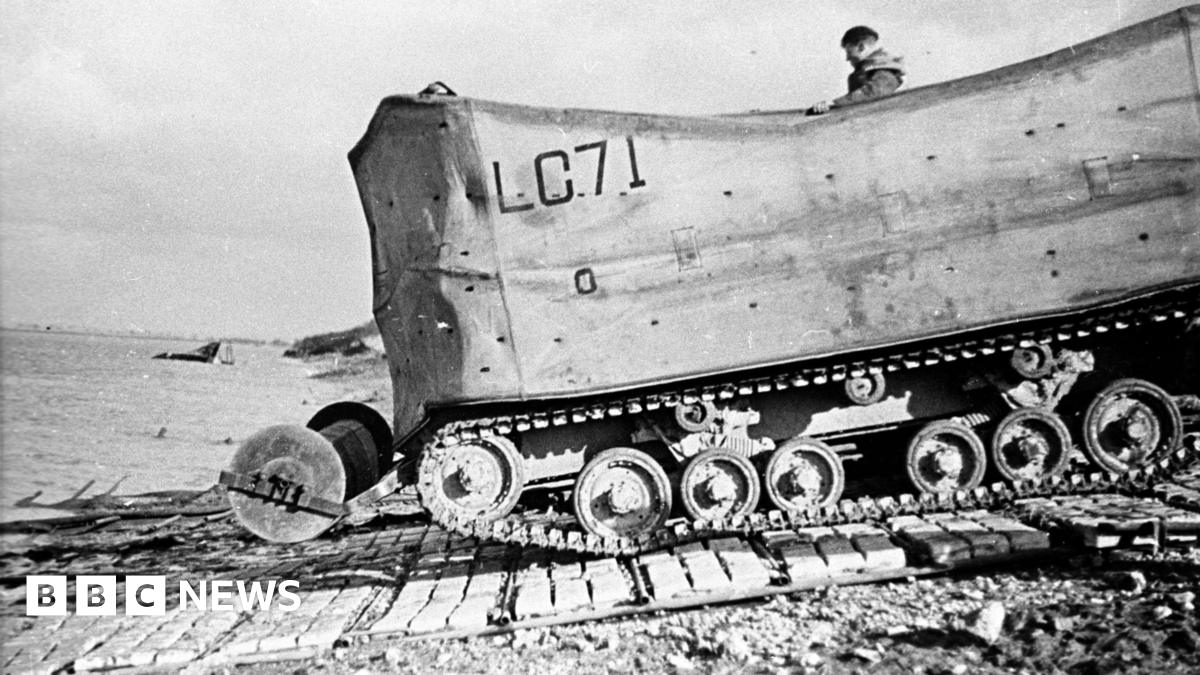
A fascinating aspect of the renewed D-Day interest stems from discoveries about locations that played unexpected yet vital roles. The BBC recently highlighted the secret contributions of Burton upon Stather, a village in North Lincolnshire, England, to the D-Day planning. This unassuming location was instrumental in the development and testing of the vast Mulberry harbours, the artificial ports essential for supplying Allied troops after the landings. The technological innovation and logistical prowess that took place in such places underscore the widespread and often hidden efforts that underpinned the success of the invasion.
Personal Accounts from the Front Lines
Beyond the strategic and logistical elements, the human stories of those who lived through D-Day continue to capture public imagination. The Telegraph's feature on Bill Redston offers a vivid glimpse into the experiences of a young midshipman during the landings. His journey from the chaos of D-Day to later naval patrols in the Pacific provides a powerful testament to a life dedicated to service. Such personal narratives are crucial for understanding the immense bravery and personal cost associated with the war effort.
Remembering the Generation of D-Day
Adding a profound sense of remembrance to the current discourse is the news of a D-Day veteran passing away at the remarkable age of 101. While the identities of all veterans are not always publicized, the passing of individuals who served during this critical period serves as a stark reminder of the dwindling number of eyewitnesses to history. These veterans represent a living link to the past, and their stories are invaluable. Their deaths underscore the urgency to document and preserve their accounts for future generations.
Background Context: The Significance of D-Day
D-Day, codenamed Operation Overlord, was the Allied amphibious invasion of Normandy during World War II. It marked the beginning of the end for Nazi Germany, opening a crucial Western Front and relieving pressure on the Eastern Front. The landings involved over 156,000 troops, supported by nearly 7,000 ships and over 11,000 aircraft. The objective was to liberate Western Europe from Nazi control. The success of D-Day was a direct result of meticulous planning, technological innovation, immense bravery, and the coordinated efforts of numerous individuals and locations, many of which are only now being fully recognized.
"The scale of the D-Day landings was unprecedented, a testament to Allied resolve and strategic brilliance. Every story, from the highest command to the smallest village's contribution, adds another layer to our understanding of this pivotal moment."
- Historical Analyst
What to Expect Next
As interest in D-Day continues to grow, it is likely that more personal stories and hidden historical details will emerge. Archives may be further explored, and new research could shed light on other overlooked contributions. For the general public, this trend offers an opportunity to deepen their understanding of World War II, to learn about the sacrifices made, and to honour the veterans. Educational institutions and historical societies will likely continue to highlight these stories, ensuring that the legacy of D-Day is not forgotten. The ongoing remembrance efforts, including ceremonies and historical publications, will continue to keep this critical event in the public consciousness.
- The Importance of Artificial Harbours: The development of Mulberry harbours was a groundbreaking achievement, allowing for the rapid offloading of supplies crucial for sustaining the invasion force.
- Personal Sacrifice: The stories of individuals like Bill Redston emphasize the immense personal courage and often harrowing experiences faced by those who fought.
- The Enduring Legacy: D-Day remains a symbol of Allied victory and the fight for freedom, its impact resonating through generations.
- The Passing of an Era: With the advancing age of D-Day veterans, there is an increasing focus on documenting their firsthand accounts before they are lost forever.
The ongoing revelations about D-Day are not just historical footnotes; they are vital components of a complex tapestry that shaped the modern world. By continuing to explore these stories, we gain a richer appreciation for the past and a deeper understanding of the values that continue to guide us today.