Death Doula: A Growing Trend Fueled by Celebrity and Shifting Perceptions
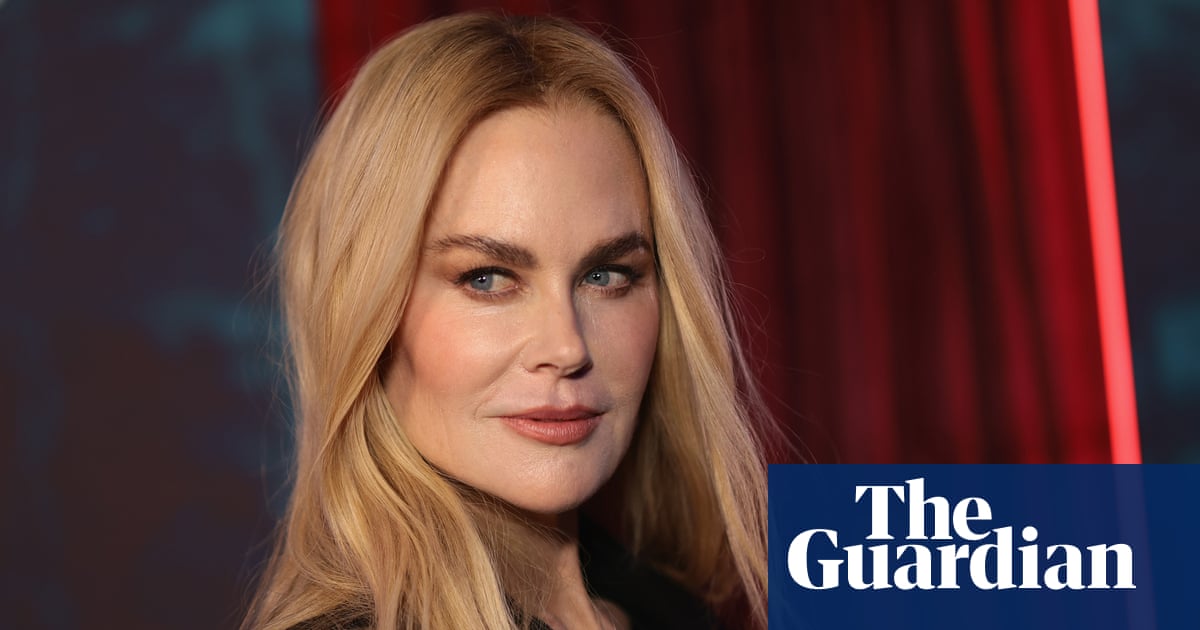
The concept of a 'death doula' is rapidly gaining traction in public consciousness, a phenomenon largely ignited by high-profile individuals publicly embracing the profession. Most recently, acclaimed actress Nicole Kidman announced her training to become a death doula, a role dedicated to providing non-medical support to individuals and their families during the end-of-life process. This news, reported across major publications like The Guardian and Us Weekly, has underscored a growing societal interest in how we approach death and dying.
What is a Death Doula and Why is it Trending?
A death doula, sometimes referred to as an end-of-life doula or death midwife, offers emotional, spiritual, and practical support to individuals facing terminal illness or the dying process. Unlike medical professionals, they focus on comfort, dignity, and ensuring the person's wishes are honored. The recent trend in searches for 'death doula' appears to be directly correlated with celebrity endorsements and a broader societal conversation about mortality. Nicole Kidman's personal revelation about her training, stating her aim to "provide solace and care," has been a significant catalyst. Her journey, reportedly influenced by her mother's passing nearly two years prior, has resonated with many, prompting questions about the role and its accessibility.
The Nicole Kidman Effect and Shifting Cultural Norms
Kidman's announcement has not only put death doulas on the map but also highlighted a generational shift in how people perceive and prepare for death. Reports from outlets like The Times suggest that even younger individuals are actively seeking out death doulas. This trend indicates a move away from the often-medicalized and isolating experience of dying towards a more supported, personalized, and holistic approach. The celebrity involvement lends an air of mainstream acceptance and curiosity to a role that has historically operated more quietly.
"Providing solace and care" is at the heart of what a death doula offers, moving beyond purely medical interventions to address the human experience of dying.
Background Context: The Evolution of End-of-Life Care
The concept of a death doula draws inspiration from birth doulas, who provide continuous support during labor and delivery. Similarly, end-of-life doulas offer companionship, advocacy, and practical assistance throughout the dying process. This support can include:
- Facilitating conversations about end-of-life wishes and legacy projects.
- Providing emotional comfort and presence.
- Assisting with practical matters, such as coordinating with hospice or family.
- Offering guidance on rituals and ceremonies.
- Creating a calming and peaceful environment.
Historically, death and dying were often managed within the family unit. However, societal changes, increased medicalization of care, and geographic mobility have often led to a more fragmented and less personal experience of death. The re-emergence and growing popularity of death doulas reflect a desire to reclaim a more human-centered approach to the end of life.
Why This Matters: Reimagining Our Relationship with Death
The trending conversation around death doulas is significant because it prompts a collective re-evaluation of how society supports individuals and families during one of life's most profound transitions. It challenges the notion that death is a topic to be avoided or solely handled by healthcare systems. Instead, it promotes the idea of intentional, compassionate, and informed dying. The involvement of figures like Nicole Kidman helps to normalize these conversations, making end-of-life planning and support seem less taboo and more accessible.
What to Expect Next
As awareness grows, it is likely that more individuals will seek out the services of death doulas. This could lead to increased professionalization of the field, with more training programs and certification bodies emerging. Furthermore, public discourse on death positivity, palliative care, and hospice services may be further stimulated. The trend suggests a societal readiness to engage more openly and compassionately with mortality, viewing the end of life not as a failure of medicine, but as a natural, deeply human experience that deserves support and dignity.