Easter
General500+ searches
Quick Answer
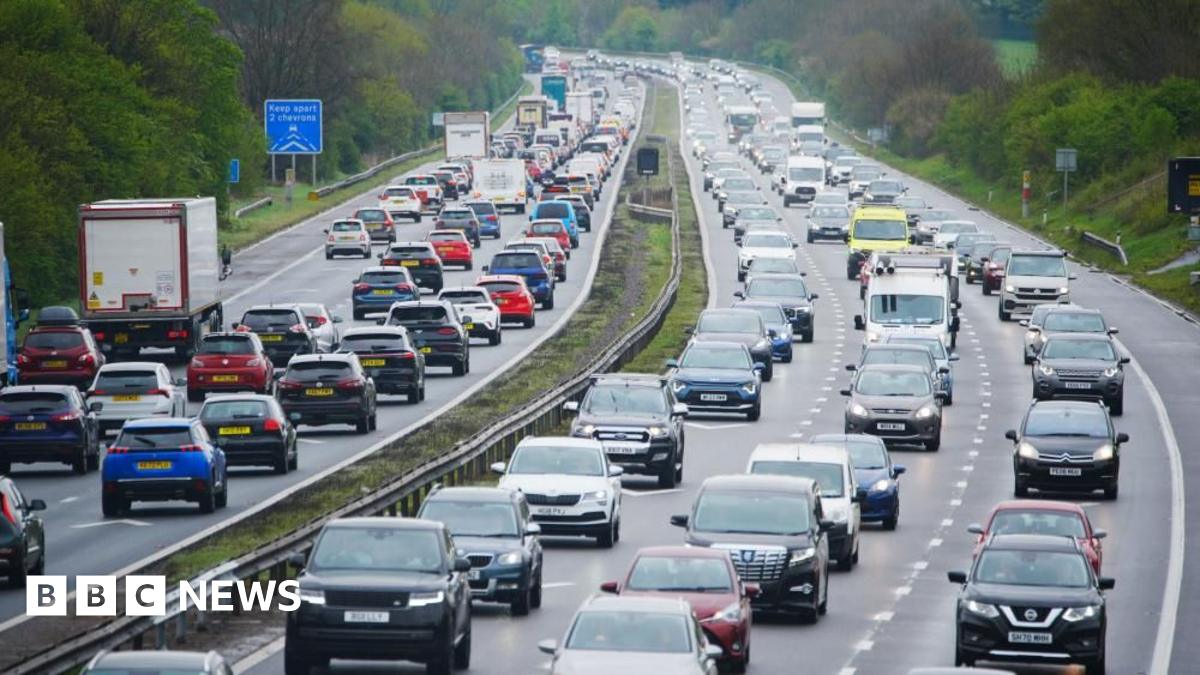
Easter is trending as millions of people embark on the busiest road travel in four years for the Easter bank holiday weekend. Despite rising fuel prices, nearly 22 million cars are expected on UK roads for the holiday getaway, highlighting widespread travel plans.
Why Is This Trending?
The Easter holiday period is currently a top trending topic due to the significant surge in travel activity across the UK. This year's Easter bank holiday weekend is anticipated to be the busiest on the roads in the last four years, with an estimated 22 million cars expected to be on the move. This mass exodus is happening despite concerns over the rising cost of fuel, underscoring the strong public desire to travel and connect during the long weekend.
The related news highlights the scale of this movement, with reports indicating a substantial number of vehicles hitting the road for the traditional Easter getaway. This trend not only reflects seasonal customs but also showcases the resilience of travel plans even in the face of economic pressures. As people head off for breaks, family visits, or simply enjoy the extended weekend, the impact on road networks and transport services is a key focus of current discussions.
Easter Travel Peaks Amidst Record Road Usage
The Easter period is currently drawing significant attention, largely driven by the unprecedented levels of travel expected on UK roads. This year's Easter bank holiday weekend has been marked as the busiest in four years, with forecasts predicting that nearly 22 million cars will be undertaking journeys. This surge in road activity highlights a strong return to traditional holiday travel patterns, even as economic factors like increased fuel prices present challenges.
What Happened?
The primary reason for Easter trending is the anticipated mass migration of people across the United Kingdom for the bank holiday weekend. Major news outlets are reporting on the sheer volume of vehicles expected to be on the roads. The Independent stated that "Almost 22 million cars set to hit UK roads despite surge in fuel prices as Easter getaway begins," while the BBC noted that the "Easter bank holiday weekend set to be busiest on roads in four years." This indicates a significant event in terms of domestic travel and logistics.
Why Does This Matter?
The significance of this trend lies in its reflection of post-pandemic travel behavior and the economic implications of widespread movement. Firstly, it signals a strong desire among the public to engage in traditional holiday activities and reunite with loved ones, demonstrating a return to normalcy in leisure and social patterns. Secondly, the sheer volume of cars on the road has direct impacts on traffic congestion, journey times, and the demand for fuel. This also has broader economic consequences, affecting businesses reliant on travel and hospitality, as well as highlighting consumer resilience in the face of rising costs. The focus on road travel also brings attention to infrastructure strain and potential environmental considerations.
Background Context: The Easter Getaway
The Easter bank holiday weekend has long been associated with a significant "getaway" period in the UK. Historically, it marks one of the first major opportunities for extended travel after the winter months, often coinciding with school holidays. This period typically sees a substantial increase in leisure travel, family visits, and short breaks. The timing, falling in spring, makes it an attractive period for outdoor activities and exploring the country. The increase in road travel is a recurring phenomenon, but the scale predicted for this year, surpassing previous years, suggests a particularly strong appetite for travel.
The context provided by recent years' travel restrictions due to the COVID-19 pandemic also adds weight to the current trend. After periods of limited mobility, the current surge can be seen as a strong rebound in travel aspirations. This rebound is occurring despite recent increases in the cost of living, including higher fuel prices, which would normally be expected to deter such extensive travel. The fact that millions are still choosing to travel indicates that the desire for experience and connection outweighs these economic concerns for a large portion of the population.
What to Expect Next
Following this peak travel period, attention will likely shift to the experiences of those who traveled. This includes reports on traffic incidents, travel disruptions, and the overall success of the getaway. Post-holiday analysis may also cover the economic impact on various sectors, such as tourism and retail. Furthermore, the environmental impact of such a large-scale road usage will likely be a topic of discussion. The success and challenges faced during this Easter travel period could set precedents for future holiday travel trends, particularly in how consumers balance travel desires with economic realities.
The data points to a clear trend of pent-up demand for travel finally being unleashed. As the nation navigates this busy period, observations on road safety, public transport usage (or lack thereof), and the overall mood of travelers will provide further insights. The coming days will reveal the full extent of this Easter travel phenomenon and its immediate aftermath.
"This Easter weekend is a testament to the enduring desire for travel and connection, even in the face of economic headwinds."
It is also worth noting the role of weather in shaping the final travel figures and on-the-ground experiences. While not explicitly mentioned in the provided context, favorable weather often encourages more last-minute trips and outdoor activities, further boosting travel numbers. Conversely, poor weather can dampen spirits and alter plans.
Key Takeaways for Travelers
- Plan Ahead: With expected congestion, early departures or travel on less busy days are advisable.
- Fuel Costs: Factor in higher fuel prices when budgeting for the trip.
- Patience is Key: Longer journey times are likely, requiring patience and preparation.
- Alternative Transport: While roads are busy, explore if rail or other options are viable, though they too may be impacted by holiday demand.
The surge in Easter travel is a complex phenomenon driven by a combination of seasonal tradition, post-pandemic relief, and a strong willingness to overcome economic challenges for the sake of experience and family time. The coming days will offer a clear picture of how this ambitious travel plan unfolds across the country.
Related News
Frequently Asked Questions
Why is Easter trending today?
Easter is trending because it marks a major travel period in the UK, with millions of people embarking on journeys for the bank holiday weekend. This year is seeing the busiest roads in four years for the Easter getaway.
What is happening with Easter travel?
Nearly 22 million cars are expected on UK roads this Easter weekend, making it the busiest travel period in four years. This surge is happening despite rising fuel prices, indicating a strong desire for holiday travel.
Why are so many cars on the road for Easter?
The high number of cars is due to the traditional Easter bank holiday getaway. Many people are taking advantage of the long weekend to travel, visit family, or go on holidays after a period of restricted travel in previous years.
Are fuel prices affecting Easter travel?
While fuel prices have surged, they do not appear to be significantly deterring people from traveling this Easter. Nearly 22 million cars are still expected on the roads, suggesting that the desire for the holiday break is outweighing fuel cost concerns for many.
What does the Easter travel trend signify?
This trend signifies a strong rebound in domestic travel and a willingness among the public to prioritize experiences and family time. It also highlights consumer resilience in the face of economic challenges and a return to pre-pandemic holiday patterns.