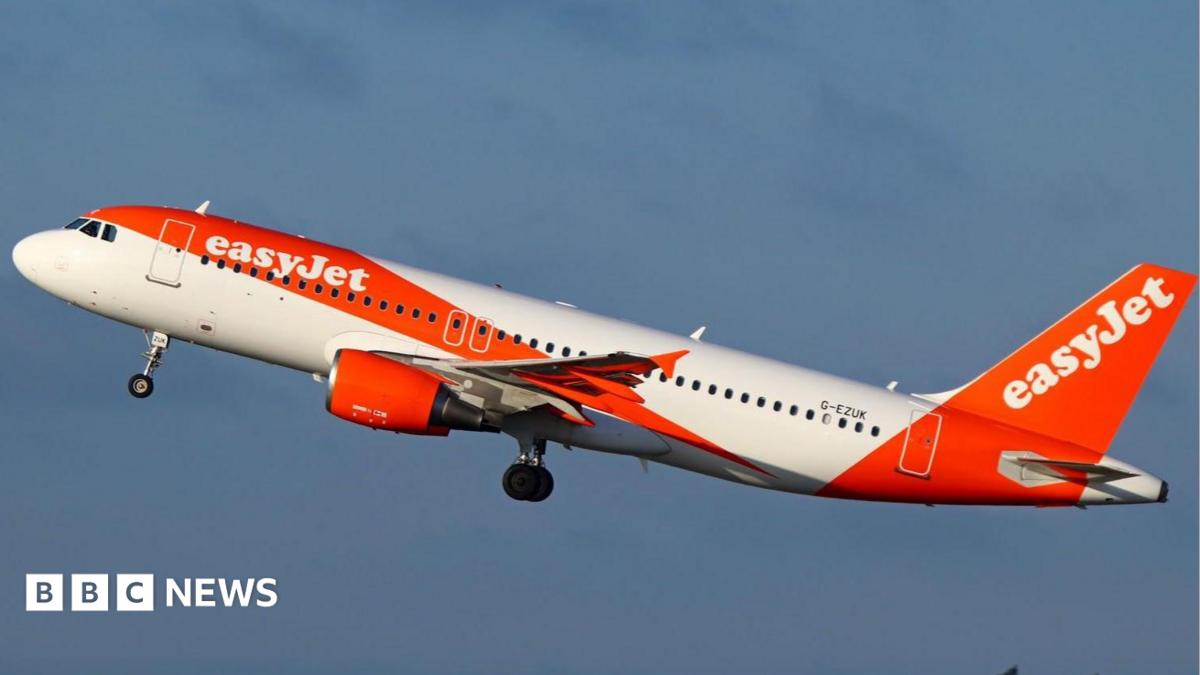
EasyJet Incident at Luton Airport Sparks Safety Concerns
EasyJet, a prominent European budget airline, is currently a trending topic following a significant safety incident at London Luton Airport. Reports have emerged detailing an event where an EasyJet flight initiated its take-off from an incorrect point on the runway. This deviation from standard operational procedures has triggered scrutiny and investigations into the airline's safety protocols and crew decision-making.
What Happened?
The core of the trending topic revolves around an EasyJet flight that departed from the wrong section of the runway at Luton Airport. While details are still emerging, initial reports from aviation safety publications suggest that the A320 aircraft involved was cleared for, and calculations were made for, a full-runway take-off. However, the flight crew elected to use an intersection point on the runway for their departure. This is a critical distinction as it significantly alters the take-off performance calculations, including the distance required to reach flying speed and clear obstacles.
Why It Matters: Aviation Safety and Crew Performance
The significance of this incident lies in its potential implications for aviation safety. Aviation is an industry built on meticulous planning, precise execution, and strict adherence to procedures. Even minor deviations can have cascading effects. Taking off from an intersection when a full-runway take-off was planned means the aircraft had less available runway length to accelerate and achieve safe flying speed. While the aircraft in question did successfully take off, the possibility of insufficient runway length for acceleration or an aborted take-off carries inherent risks.
The investigation will likely focus on understanding the cognitive processes that led the crew to deviate from their initial plan, especially given that calculations for a full-runway take-off had been performed. This could involve examining factors like situational awareness, communication between the flight crew, and the potential influence of routine or perceived operational efficiencies.
Furthermore, the incident raises questions about the role of crew habit and bias, as suggested by initial analyses. In aviation, a "habit" can sometimes lead to bypassing checks or following familiar patterns, even when circumstances have changed. "Bias," in this context, might refer to a cognitive tendency to favor a particular course of action based on prior experiences or assumptions, potentially overriding a careful assessment of the current situation.
Background Context: Runway Intersections and Aviation Procedures
Runway intersections are common features at many airports, allowing for more efficient ground movement and operational flexibility. Pilots can choose to take off from an intersection to reduce taxiing time and potentially save fuel. However, this choice requires a thorough reassessment of take-off performance data. Air traffic control assigns a take-off clearance based on the pilot's request and runway configuration, and flight crews are responsible for ensuring they use the correct runway length for their planned departure. The discrepancy in this case suggests a breakdown in that critical pilot responsibility.
Aviation authorities like the UK's Air Accidents Investigation Branch (AAIB) or equivalent bodies in other jurisdictions typically investigate such events to determine the root cause and issue safety recommendations. These recommendations aim to prevent similar occurrences in the future by addressing procedural gaps, enhancing training, or improving technology.
What to Expect Next
Following the investigation, it is expected that the findings will be published, providing a detailed account of the incident and identifying contributing factors. Based on these findings, regulatory bodies and EasyJet itself will likely implement corrective actions. These could include:
- Refresher training for flight crews on take-off procedures and decision-making processes.
- Enhanced monitoring of flight crew performance and adherence to standard operating procedures.
- Review and potential revision of airport procedures or pilot briefing materials related to runway intersections.
- Emphasis on crew resource management (CRM) to ensure effective communication and oversight within the cockpit.
EasyJet has a strong safety record, and the airline will undoubtedly be working closely with investigators to understand and rectify any issues that contributed to this event. The ultimate goal is to reinforce the robust safety culture that is paramount in the airline industry.