F1 Rule Changes: What's New and Why it Matters
Formula 1, a sport renowned for its constant evolution, is once again at the center of attention due to a series of significant rule changes. The FIA (Fédération Internationale de l'Automobile) has confirmed that adjustments are being made to the regulations, primarily in response to feedback from drivers and teams regarding the performance and racing characteristics of the current generation of cars. These changes signal the sport's commitment to continuous improvement, aiming to enhance the racing spectacle and ensure driver safety.
What Happened?
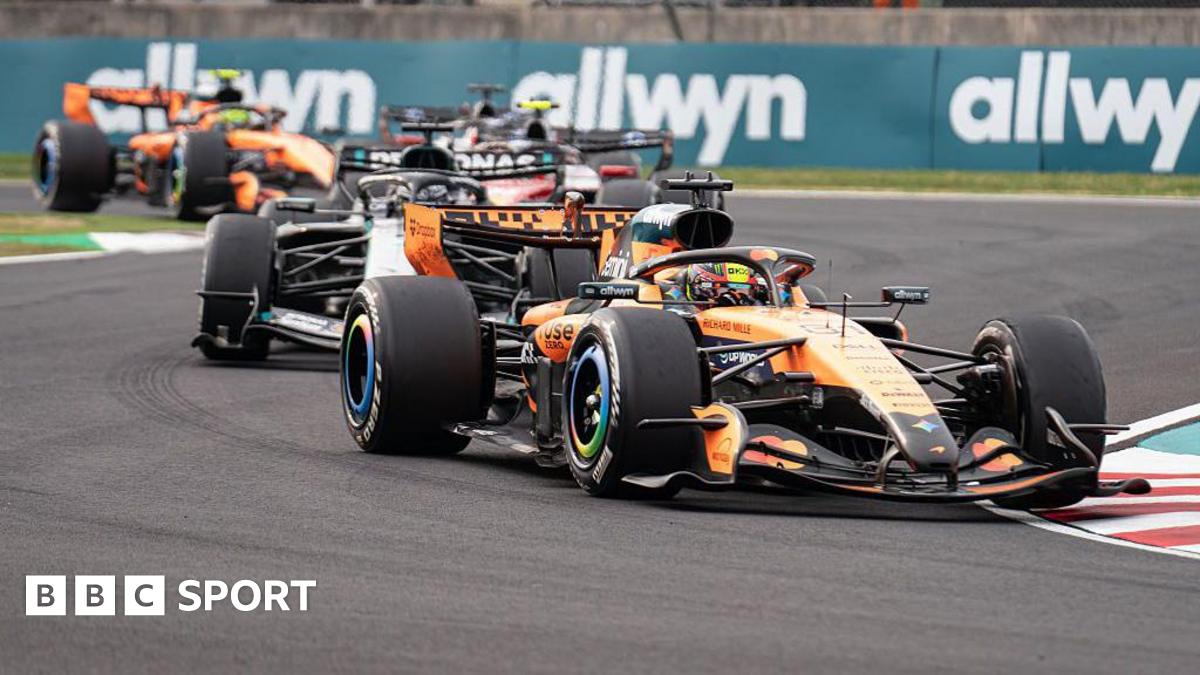
The core of the recent discussion revolves around adjustments to aerodynamic regulations, particularly concerning how cars interact with each other on track. Drivers have voiced concerns about the adverse effects of "dirty air" – the turbulent wake generated by F1 cars – which makes it difficult for following cars to stay close and execute overtakes. This issue has been exacerbated by the current car philosophy, which relies heavily on ground effect aerodynamics. In response, the FIA is reportedly fine-tuning elements such as the floor edge design and potentially other aerodynamic components to reduce the wake's intensity and make it easier for cars to race wheel-to-wheel.
Furthermore, there have been indications that certain rule interpretations or technical directives might be clarified or modified to address specific performance characteristics that teams have exploited. This includes ongoing scrutiny of technical aspects related to the new engine regulations and their indirect impact on chassis design and aerodynamic efficiency. The goal is not to fundamentally alter the cars but to refine their behavior in racing conditions and address any unforeseen consequences of the existing rules.
Why Does This Matter?
These rule changes are crucial for several reasons. Firstly, they directly address the quality of racing. Formula 1 strives for close competition, and persistent issues with following cars or a lack of meaningful overtaking opportunities can detract from the fan experience. By reducing the impact of turbulent air, the FIA hopes to see more cars battling closely for longer periods, leading to more exciting races.
Secondly, driver feedback is paramount. The athletes who pilot these incredibly complex machines are often the best judges of their on-track behavior. When drivers consistently report difficulties or express dissatisfaction, the governing body takes notice. These changes reflect a responsiveness to the sport's key stakeholders, ensuring that the drivers' concerns about car handling and predictability are taken seriously. This also ties into safety, as improved predictability and stability at high speeds are always a priority.
"The aim is to create a more level playing field and allow the drivers to showcase their skills without the cars fighting each other too much aerodynamically." - Paraphrased sentiment from FIA technical briefings.
Background Context: The Ground Effect Era
The current era of Formula 1, which began in 2022, was specifically designed to reintroduce and emphasize ground effect aerodynamics. The previous regulations, while producing fast cars, were criticized for generating substantial dirty air that significantly hampered the ability of cars to follow closely. The 2022 technical regulations aimed to solve this by encouraging designs that produce downforce primarily from the underfloor venturi tunnels.
While the initial impact was positive, with some encouragingly close racing in certain scenarios, teams have continued to develop their understanding and exploitation of these complex aerodynamic principles. This has led to situations where the reduction in wake turbulence is not as pronounced as initially hoped, especially at higher speeds or in specific track configurations. The new engine regulations introduced in 2026 also loom, and while these current changes are not directly about the engines themselves, they can influence the overall car design philosophy and aerodynamic solutions, making adaptability key.
What to Expect Next
Fans can anticipate seeing the effects of these rule adjustments play out on track in the upcoming races. It may take some time for teams to fully adapt their car setups to optimize performance under the revised regulations. The FIA will undoubtedly continue to monitor the situation closely, gathering data and feedback to assess the effectiveness of the changes.
Potential outcomes include:
- More consistent and closer racing throughout the field.
- Drivers reporting improved confidence in following other cars.
- A reduction in the perceived performance drop-off when running in turbulent air.
- Ongoing technical debates and developments as teams seek to understand and exploit the nuances of the updated rules.
The FIA's proactive approach signifies a commitment to the long-term health and entertainment value of Formula 1. While debates about the specifics of any rule change are common in F1, the underlying goal of promoting better racing is one that resonates widely within the sport's passionate fanbase.