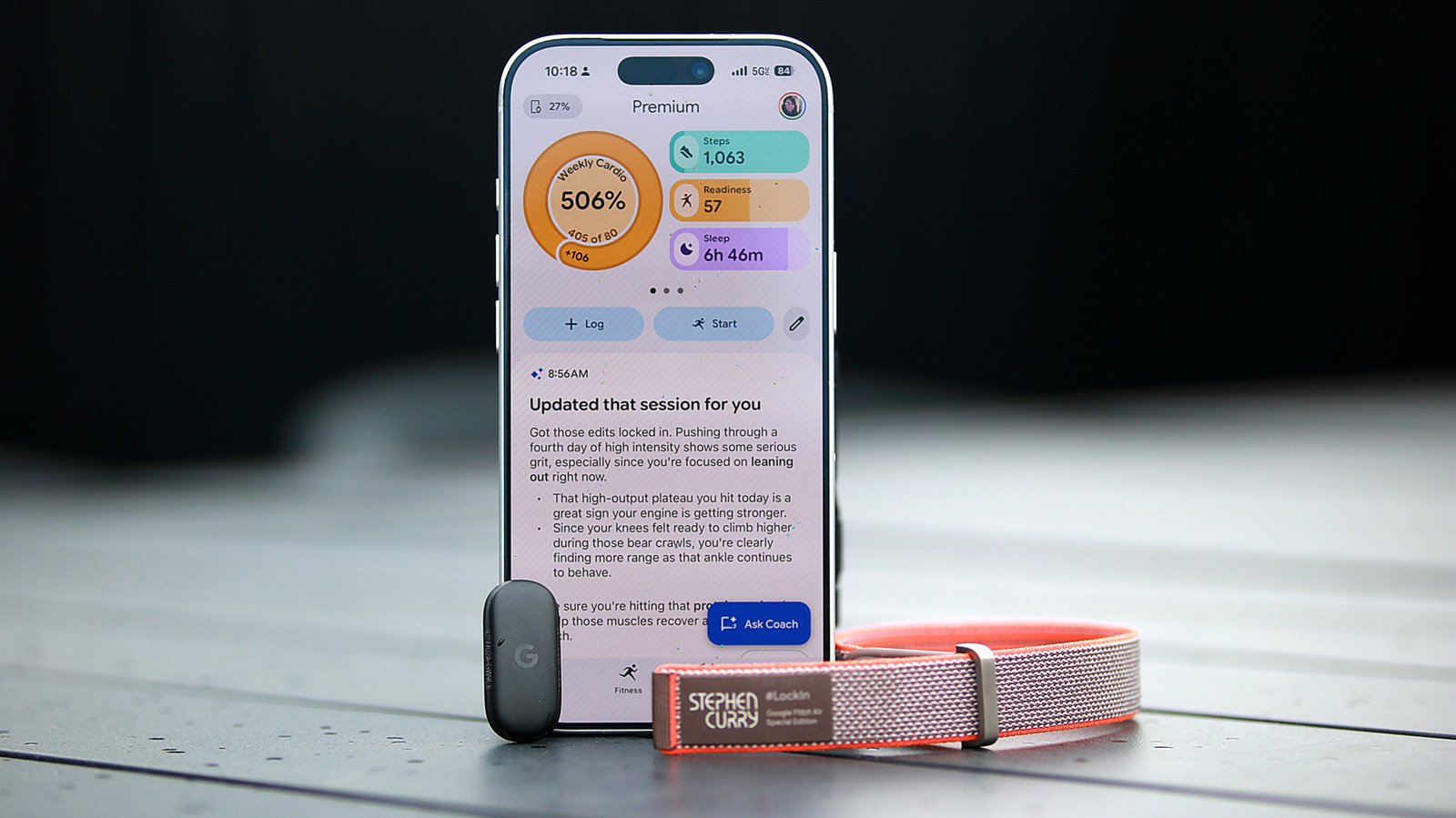
Fitbit Air: Google's Bold New Entry into Advanced Health Tracking
The wearable technology landscape is abuzz with the arrival of Fitbit Air, a new device from Google that promises to blend advanced health tracking with AI-powered insights. Recent reviews and analyses from prominent tech outlets like Engadget, Bloomberg, and The Independent suggest that Fitbit Air is not just another fitness tracker, but a serious contender aiming to disrupt the premium health monitoring market. The device is drawing particular attention for its potential to compete with established players such as Whoop, sparking conversations about its features, pricing, and overall value proposition.
What Happened: A Wave of Reviews and Comparisons
The current trend surrounding "Fitbit Air" is largely fueled by a wave of detailed reviews and comparative articles hitting the web. These pieces, including those from Engadget, Bloomberg, and The Independent, have been rigorously testing the device over periods of weeks, scrutinizing its performance across various health metrics. The focus is on how Fitbit Air leverages artificial intelligence to interpret health data, offering users a more nuanced understanding of their well-being. Comparisons to established leaders in the advanced health tracking space, most notably Whoop, are a recurring theme, as journalists assess whether Fitbit Air can offer a comparable or superior experience, potentially at a more accessible price point.
Why It Matters: AI-Powered Health and Market Disruption
Fitbit Air matters because it represents Google's strategic move to integrate cutting-edge AI into a consumer health wearable, aiming to provide not just raw data, but actionable insights. This approach could democratize access to sophisticated health monitoring, which has historically been dominated by more specialized and often subscription-based services like Whoop. The device's potential to offer "Health Tracking For The AI Generation," as Engadget puts it, signifies a shift towards wearables that are more intelligent and personalized. Furthermore, the competitive pricing, with The Independent highlighting a £85 model, suggests a strategy to make advanced health tracking more affordable, potentially forcing competitors to re-evaluate their own offerings and pricing structures.
Background Context: The Evolving Health Tech Landscape
Fitbit, now under the Google umbrella, has long been a recognizable name in the fitness tracking space. However, the market has evolved significantly, with a growing demand for deeper physiological insights beyond simple step counting and heart rate monitoring. Companies like Whoop have carved out a niche by offering continuous, data-rich feedback on recovery, strain, and sleep, often through a subscription model. This has created an opening for new devices that can match or exceed this level of insight, potentially without the recurring cost. Google's investment in Fitbit, coupled with its own AI expertise, positions Fitbit Air as a natural evolution, aiming to capture users seeking comprehensive health data and intelligent analysis.
What to Expect Next: Feature Deep Dives and User Adoption
Moving forward, the conversation around Fitbit Air is likely to center on long-term user experiences and the real-world impact of its AI-driven health insights. As more users adopt the device, we can expect to see discussions on its accuracy, the practical utility of its recommendations, and its battery life under continuous monitoring. The ongoing comparison with Whoop and other high-end trackers will continue to shape consumer perception. Success for Fitbit Air will depend not only on its initial feature set but also on Google's ability to continually refine its AI algorithms and integrate the data seamlessly into the broader Fitbit ecosystem. Early adoption and positive word-of-mouth will be crucial in establishing Fitbit Air as a significant player in the competitive health tech arena.
"Google’s Fitbit Air Gives Whoop Some Serious Competition" - Bloomberg
The design and user interface are also critical factors. Early reports suggest a focus on intuitive data presentation:
- AI-Powered Health Analysis: Moving beyond raw metrics to interpret user health patterns.
- Competitive Pricing: Aiming to offer advanced features at a more accessible cost than some rivals.
- Integration Potential: Leveraging Google's broader ecosystem for enhanced user experience.
The journey of Fitbit Air is one to watch, as it could redefine what consumers expect from their health tracking devices. It represents a significant step for Google in the personal health technology sector, blending established brand recognition with advanced AI capabilities.