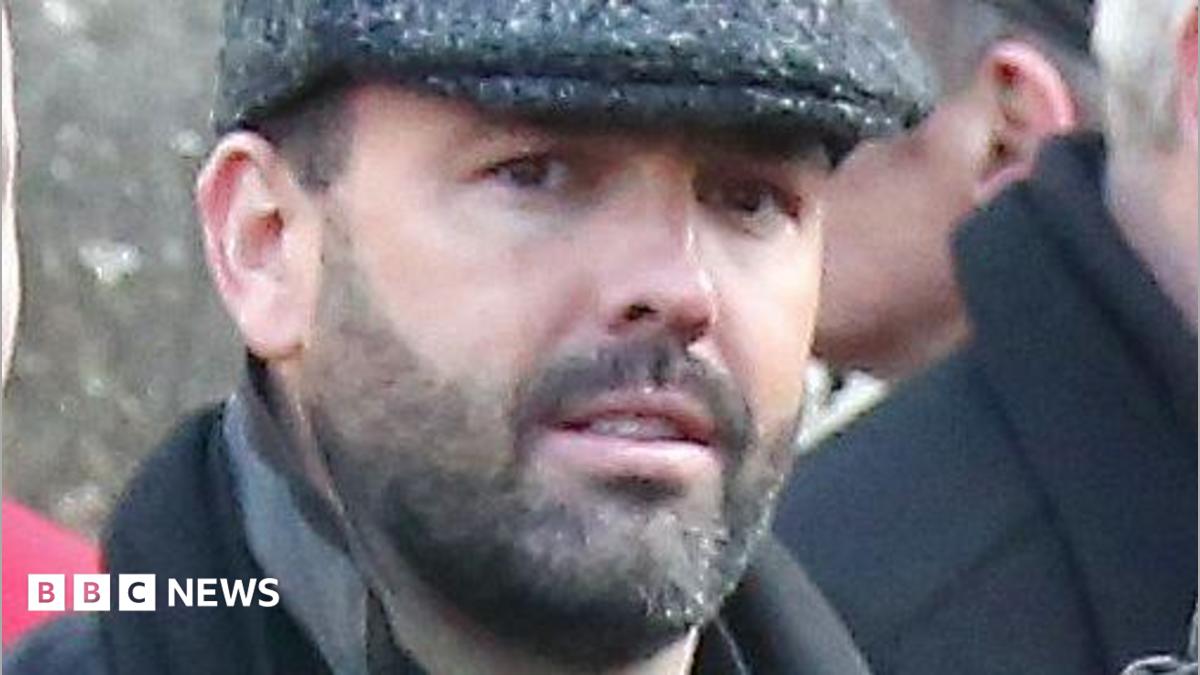
Global Crackdown Intensifies: Kinahan Extradition Looms
The spotlight is once again firmly fixed on the Kinahan Organised Crime Group, with recent developments signaling a potential major breakthrough in international efforts to dismantle the notorious cartel. The term "gang" has seen a significant spike in online interest, driven primarily by the ongoing legal battles and security preparations surrounding Daniel Kinahan, who is widely identified as a key figure within the organization. Recent reports indicate that Kinahan has exhausted his legal options to prevent extradition from the United Arab Emirates (UAE), a move that could have far-reaching implications for international law enforcement and the future of organized crime in Europe.
What Happened: Extradition Efforts Reach a Climax
The core of the current trend revolves around Daniel Kinahan's protracted legal fight to remain in the UAE, a bid that appears to be nearing its end. Following intensive pressure from international agencies, including the US Drug Enforcement Administration (DEA) and European counterparts, Kinahan has reportedly failed in his final legal attempts to halt extradition proceedings. While specific details of the court's decision remain under wraps, the implications are clear: the door may be opening for his transfer to face charges in jurisdictions actively pursuing him. This follows a concerted international effort, highlighted by significant rewards offered for information leading to his arrest and conviction.
Why It Matters: A Blow to Transnational Crime
The potential extradition of Daniel Kinahan is more than just a legal victory; it represents a significant blow to the Kinahan Organised Crime Group, a powerful entity implicated in drug trafficking, money laundering, and violent crime across Europe and beyond. For over a decade, the group has operated with relative impunity, engaging in high-profile feuds and evading justice. Bringing Kinahan to face charges could crip le the organization's leadership, disrupt its operations, and provide crucial intelligence for further investigations into its vast network. The saga underscores the complexities of international cooperation in combating sophisticated criminal enterprises and the challenges in apprehending transnational fugitives.
Background Context: The Rise and Reach of the Kinahan Gang
The Kinahan Organised Crime Group, often referred to simply as the "Kinahan gang," emerged from Dublin, Ireland, and quickly expanded its reach into international drug trafficking, particularly cocaine. Founded and led by Christy Kinahan Sr., the organization is believed to have been largely steered by his sons, Daniel and Christy Jr. The group gained notoriety for its involvement in a violent feud with a rival gang, the Hutch gang, which resulted in numerous murders in Ireland and Spain. This internal conflict and Kinahan's alleged role in orchestrating criminal activities on a global scale placed him on international watchlists. The US government, in particular, has taken a strong stance, imposing sanctions on Kinahan and associated individuals and entities, freezing assets and prohibiting transactions. The UAE’s decision to engage with extradition requests signifies a shift in their approach and a strengthening of international partnerships against organized crime.
The group's operations are vast, involving:
- Large-scale cocaine and firearms trafficking.
- Sophisticated money laundering schemes.
- Allegations of involvement in assassinations and intimidation.
- A presence in multiple countries, including Ireland, Spain, the UAE, and South America.
"The Kinahan cartel is a transnational criminal organization that has been involved in the international trafficking of illegal drugs, including cocaine, and has been associated with murders and other violent criminal activities."
– U.S. Department of the Treasury
What to Expect Next: Legal Battles and Security Concerns
With the legal avenues in the UAE seemingly exhausted, the focus now shifts to the logistical and security aspects of a potential extradition. Reports of a bomb-proof van being acquired highlight the extreme security measures anticipated. The process itself is likely to be complex, involving coordination between UAE authorities, the countries seeking extradition, and international law enforcement agencies. Daniel Kinahan's arrival in a jurisdiction where he can face charges could trigger a cascade of legal proceedings and potentially lead to further revelations about the Kinahan gang's operations and associates. The outcome of these developments will be closely watched by governments and law enforcement agencies worldwide, as it could signal a new era in the fight against transnational organized crime.
The coming weeks and months will be crucial in determining the next steps. Observers will be looking for:
- Confirmation of the extradition timeline and destination.
- The specific charges Daniel Kinahan will face.
- The potential impact on the Kinahan Organised Crime Group's ongoing activities.
- Further international cooperation and intelligence sharing sparked by this case.
The trending topic of "gang" is currently synonymous with the high-stakes drama surrounding one of the world's most elusive crime figures. As the legal dust settles, the real impact on the global fight against organized crime will begin to unfold.