Ghana
World100+ searches
Quick Answer
Ghana is trending as the United Nations has voted to recognize the enslavement of Africans as the gravest crime against humanity. This landmark decision, supported by Ghana, energizes the African Union's fight for reparations.
Why Is This Trending?
The West African nation of Ghana is currently a focal point in international discussions following a significant United Nations vote. The UN has officially recognized the enslavement of Africans as the gravest crime against humanity. This historic declaration carries immense weight, particularly for nations with deep historical ties to the transatlantic slave trade, including Ghana. The move is seen as a crucial step forward in acknowledging the profound and lasting impact of this brutal period on the African continent and its diaspora. The implications of this UN resolution are far-reaching, sparking renewed calls for justice and accountability. Ghana, along with other African nations, is expected to leverage this recognition in its ongoing advocacy for reparations and restorative justice.
UN Vote Recognizes Enslavement of Africans as Gravest Crime Against Humanity, Ghana at the Forefront
The global stage is buzzing with developments surrounding a pivotal United Nations vote that has formally recognized the enslavement of Africans as the gravest crime against humanity. This landmark decision, supported by a significant majority of UN member states, places Ghana and other African nations at the forefront of a renewed push for accountability and restorative justice. The resolution is a culmination of years of advocacy and a stark acknowledgment of the immeasurable suffering and lasting consequences of the transatlantic slave trade.
What Happened: A Landmark UN Declaration
The United Nations has officially voted to recognize the historical enslavement of Africans as the gravest crime against humanity. This declaration is not merely symbolic; it represents a formal and international condemnation of the systemic atrocities committed during the period of enslavement. The vote signifies a global consensus on the unparalleled barbarity and devastating impact of this historical injustice. Reports indicate that Ghana, as a nation with a significant history linked to the slave trade through historical forts and castles, played an active role in advocating for and supporting this resolution.
Why It Matters: Reparations and Historical Reckoning
The significance of this UN vote cannot be overstated, particularly for Ghana and the wider African continent. For centuries, African nations and their diasporas have sought recognition and reparations for the immense harm inflicted by the enslavement of millions of Africans. This declaration provides a powerful international platform and legal basis for these long-standing demands. It energizes the African Union's ongoing fight for reparations, offering a strong foundation for future negotiations and legal challenges.
The ramifications extend beyond financial reparations. This recognition is crucial for historical reckoning, ensuring that the full extent of the atrocities is acknowledged and taught accurately. It is a step towards correcting historical narratives that have often downplayed or misrepresented the brutality of enslavement. For Ghana, this vote is a reaffirmation of its historical position and a boost to its efforts to reclaim its narrative and secure justice for its people.
Background Context: A Legacy of Suffering
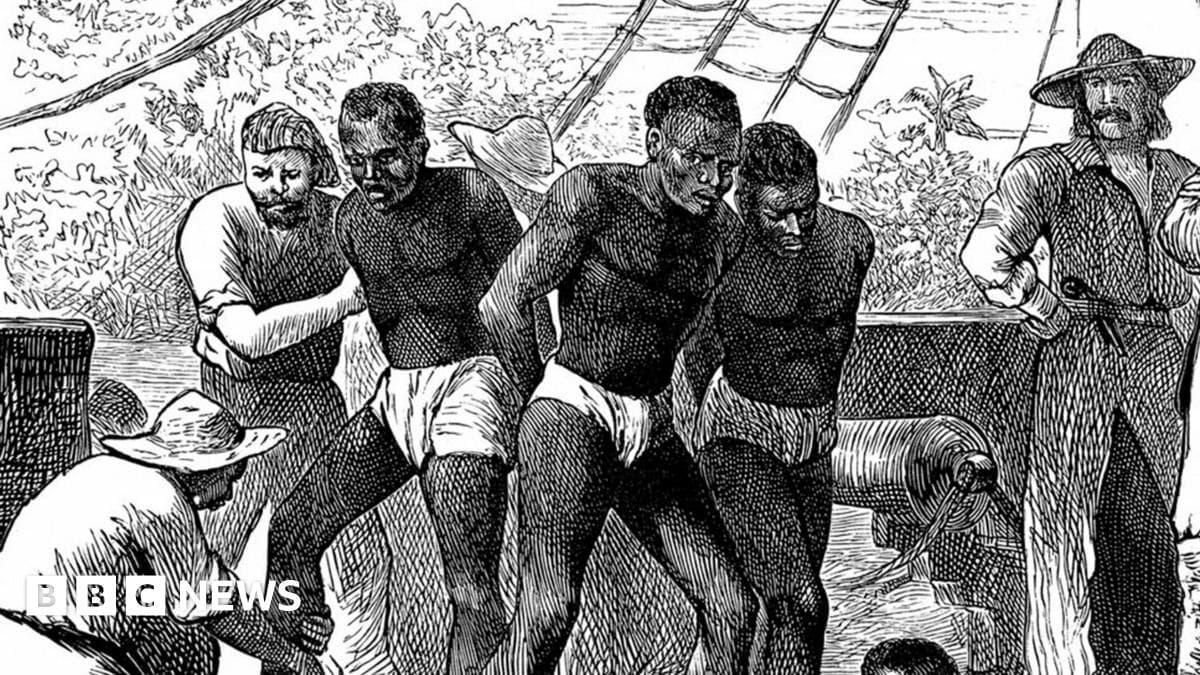
The transatlantic slave trade, which spanned over four centuries, forcibly transported millions of Africans from their homelands to the Americas and other parts of the world. They were subjected to brutal conditions, forced labor, and systematic dehumanization. The economic and social structures of colonial powers were built upon this foundation of enslaved labor, leading to vast wealth accumulation at the expense of African lives and development.
Ghana, historically known as the Gold Coast during the colonial era, was a major hub for the slave trade. Its coastline is dotted with historical forts and castles, such as Cape Coast Castle and Elmina Castle, which served as holding pens for enslaved Africans before their forced departure across the Atlantic. These sites are poignant reminders of the horrors of the past and are significant tourist and educational attractions that highlight Ghana's direct connection to this painful history. The nation has consistently been a vocal advocate for acknowledging this history and seeking redress.
The African Union and various African leaders have long campaigned for reparations, arguing that the wealth generated from enslaved labor has contributed to the underdevelopment of many African nations and the economic disparities faced by people of African descent globally. The UN vote provides a crucial endorsement of these arguments, lending greater weight to their pursuit.
What to Expect Next: The Path Forward
The UN's recognition of enslavement as the gravest crime against humanity is a pivotal moment, but it is the beginning of a new phase rather than an end. Several key developments can be anticipated:
- Intensified Reparations Dialogue: Expect a more robust and urgent global dialogue on reparations for slavery. African nations, led by countries like Ghana, will likely leverage this UN decision to push for concrete actions from former colonial powers and institutions that benefited from slavery.
- Legal and Political Advocacy: The ruling may inspire further legal challenges and increased political pressure on governments and corporations to address the legacies of slavery through various forms of compensation, investment, and restorative justice initiatives.
- Educational Reforms: There will likely be a renewed emphasis on educational reforms worldwide to ensure that the true history and impact of African enslavement are taught accurately and comprehensively.
- International Cooperation: The vote could foster greater international cooperation among African nations and their diaspora in advocating for their rights and pursuing justice for historical wrongs.
- Debate and Opposition: While a significant step, the implementation of reparations and other restorative measures will likely face considerable debate and potential opposition from some quarters. However, the moral and ethical weight of the UN's declaration provides a strong counterargument.
Ghana's role in this historic moment underscores its commitment to confronting the past and shaping a more just future. The UN's unequivocal stance provides a powerful mandate to continue the essential work of acknowledging past injustices and seeking meaningful redress for the enduring consequences of the enslavement of Africans.
The enslavement of Africans was not merely a historical event; it was a systemic crime against humanity whose repercussions continue to be felt today. The UN's recognition is a crucial step towards healing and accountability.
The journey towards full reparations and reconciliation is long and complex, but the recent UN vote represents a monumental stride forward. Ghana, as a nation deeply intertwined with this history, stands ready to lead in the ongoing pursuit of justice and the healing of historical wounds.
Related News
UN votes to recognise enslavement of Africans as 'gravest crime against humanity'
BBCUN’s landmark slavery ruling energises African Union’s fight for reparations
The GuardianUK Explanation of Vote on the Declaration of the trafficking of enslaved Africans and racialised chattel enslavement of Africans as the gravest Crime Against Humanity
GOV.UKFrequently Asked Questions
Why is Ghana trending?
Ghana is trending due to a significant United Nations vote recognizing the enslavement of Africans as the gravest crime against humanity. This decision is particularly resonant for Ghana, given its historical role in the transatlantic slave trade.
What happened with Ghana related to the UN vote?
Ghana, along with other African nations, supported and is benefiting from a UN vote that formally acknowledges the enslavement of Africans as the gravest crime against humanity. This declaration strengthens their advocacy for reparations.
What is the significance of the UN's ruling for Ghana?
The UN's ruling is highly significant for Ghana as it provides international validation for the immense suffering caused by the slave trade. It energizes Ghana's and the African Union's efforts to secure reparations and achieve historical justice.
What are reparations in the context of the UN's ruling?
Reparations refer to compensation and restorative measures demanded by nations and descendants of enslaved Africans to address the historical injustices and economic disparities caused by the transatlantic slave trade. The UN vote bolsters these demands.
What are historical sites in Ghana related to slavery?
Ghana is home to several significant historical sites, including Cape Coast Castle and Elmina Castle, which served as key trading posts and holding pens for enslaved Africans during the transatlantic slave trade. These sites are crucial for understanding the nation's history.