Greenland: A Strategic Hotspot in Geopolitical Discourse
The remote Arctic island of Greenland has unexpectedly found itself at the center of international attention, not due to its melting ice sheets or unique environment, but because of a geopolitical remark by former US President Donald Trump. His statements, reportedly made during a NATO meeting, suggested the United States should consider purchasing Greenland, emphasizing its strategic importance to the U.S. while downplaying its significance to Denmark. This commentary has triggered a swift and strong reaction from both Danish and Greenlandic officials, underscoring the island's complex geopolitical standing and its evolving relationship with global powers.
What Happened?
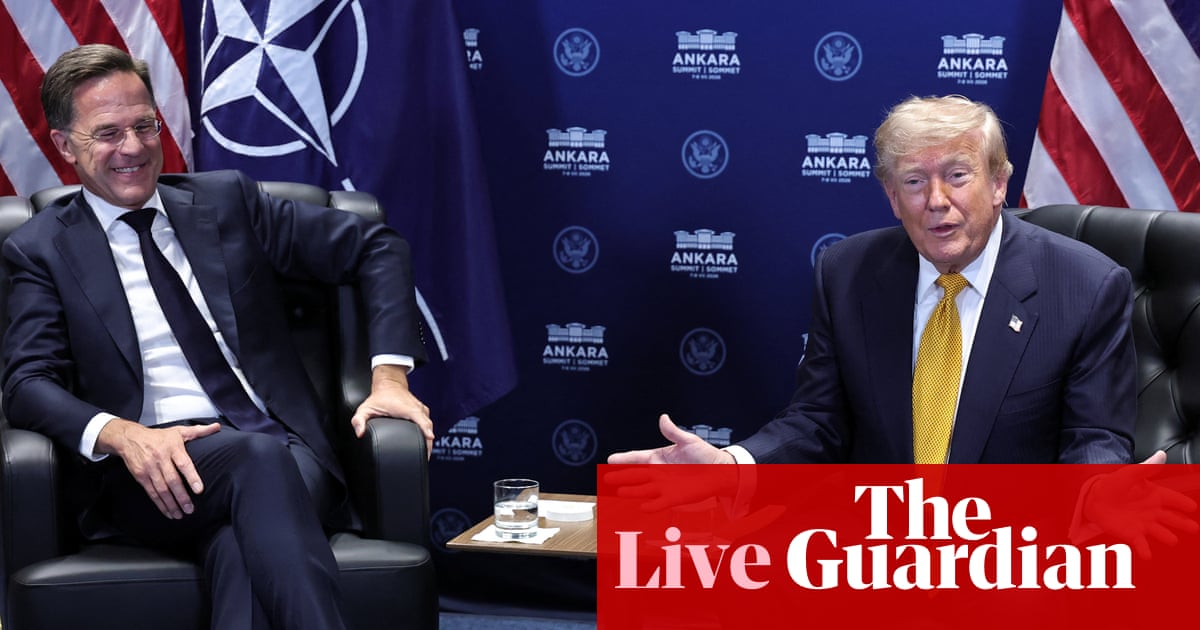
During a NATO summit, former President Donald Trump reportedly expressed his interest in the United States acquiring Greenland. He is quoted as saying that Greenland is "very important for the US, but not important for Denmark." This remark, made in the context of discussions with allies, has been interpreted by many as a serious consideration of a territorial acquisition, a notion that has historically surfaced but never gained traction.
Why It Matters: Strategic Importance and Sovereignty
Greenland's trending status is a direct result of the geopolitical implications of Trump's comments. The island holds significant strategic value due to its:
- Geographic Location: Situated between the Atlantic and Arctic Oceans, Greenland offers crucial military and surveillance advantages. Its proximity to North America makes it a key location for monitoring Arctic activities and potential defense initiatives.
- Natural Resources: The Arctic region, including Greenland, is believed to hold vast untapped reserves of oil, gas, and rare earth minerals, making it an attractive prospect for resource-rich nations.
- Military Significance: The Thule Air Base, a joint US-Danish facility in northern Greenland, is already a vital component of US missile warning systems and space surveillance.
Trump's comments have been met with staunch opposition. The Prime Minister of Denmark, Mette Frederiksen, unequivocally stated that Greenland is not for sale, emphasizing that the idea is "absurd." Similarly, Greenland's Foreign Minister, Ane Lone Bagger, reiterated that Greenland is open for business and investment, but not for sale. This firm stance highlights the growing assertiveness of Greenlandic self-governance and Denmark's commitment to its autonomy.
Background Context: A Long-Standing Idea
The concept of the United States purchasing Greenland is not entirely new. The U.S. has previously expressed interest in acquiring the island, most notably in 1946 under President Harry S. Truman, who proposed a $100 million purchase. While these overtures have never materialized, they reflect a recurring strategic interest from the United States in securing a presence in the strategically vital Arctic region.
"Greenland is not for sale. Greenland is not Danish. Greenland is Greenland. I hope that this is not meant seriously." - Mette Frederiksen, Prime Minister of Denmark
The current trending status is amplified by the current geopolitical climate, marked by renewed interest in the Arctic due to climate change and increasing strategic competition among global powers. As ice recedes, new shipping routes and access to resources are becoming available, making the Arctic a region of increasing focus for military and economic interests.
What to Expect Next
The immediate aftermath of these comments has seen a strong affirmation of Greenland's sovereignty and its relationship with Denmark. While the prospect of a sale is highly unlikely and politically unfeasible, Trump's remarks have served to:
- Highlight Greenland's Strategic Value: The episode has underscored the significant geopolitical and economic interest in Greenland from major global players.
- Reinforce Greenlandic Identity: It has provided an opportunity for Greenland and Denmark to collectively assert their autonomy and self-determination.
- Spark Diplomatic Discussion: The comments have initiated conversations about the future of Arctic geopolitics and the role of smaller nations in larger international power dynamics.
While the focus on Greenland may eventually fade as new news cycles emerge, the underlying strategic interests in the region will persist. The incident serves as a reminder of Greenland's unique position on the global stage and the complex interplay of interests that shape its future. Future developments will likely involve continued discussions on investment, resource development, and Arctic security, all viewed through the lens of Greenland's right to self-determination.