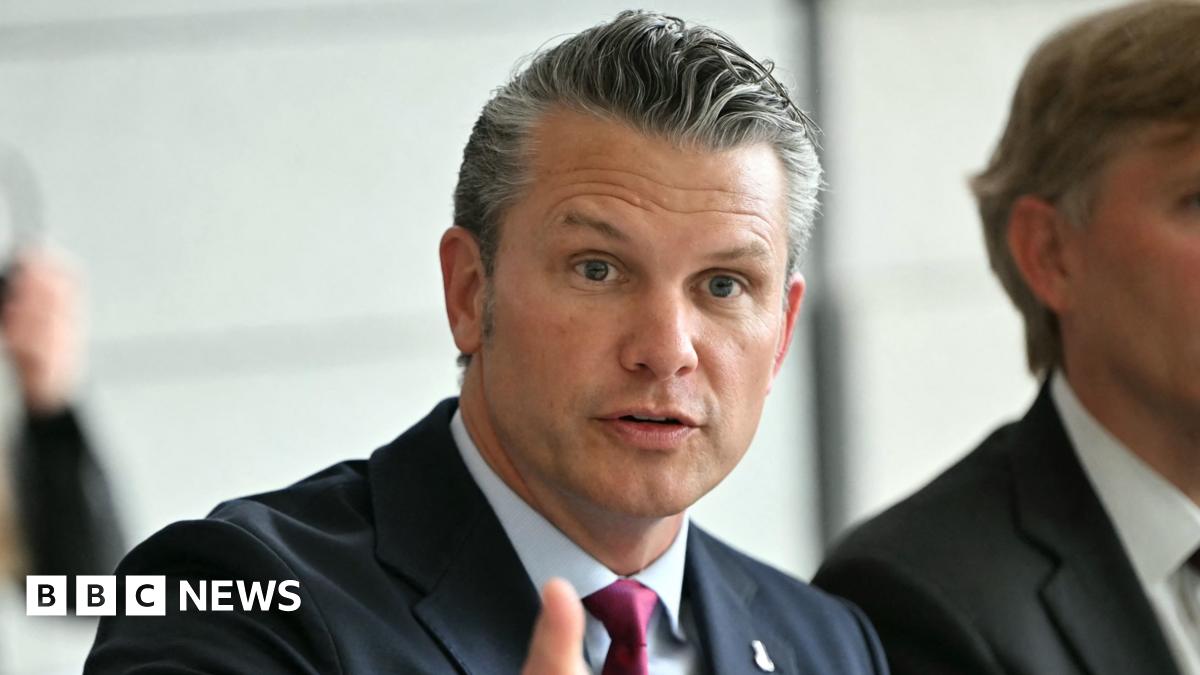
Pete Hegseth's Normandy Speech Sparks Controversy
Pete Hegseth, a prominent host on Fox News, has become the center of a significant online discussion following a speech delivered in Normandy, France, during the recent D-Day anniversary commemorations. While visiting the historic site of one of World War II's most pivotal battles, Hegseth delivered remarks that shifted focus from honoring the sacrifices of the past to criticizing contemporary European policies, particularly concerning migration. His comments have since generated widespread debate and criticism, with many questioning the appropriateness of his message at such a solemn event.
What Happened in Normandy?
During a D-Day related event in Normandy, Hegseth reportedly used the occasion to deliver a strong critique of Europe's current state, focusing heavily on immigration. According to reports from outlets like the BBC and POLITICO.eu, Hegseth warned that Europe was being "invaded by dangerous ideologies." He drew a parallel between the historical fight against Nazism and the challenges Europe faces today, framing a significant portion of the continent's current issues as stemming from uncontrolled migration and what he perceived as the influx of harmful belief systems. The context of his speech, delivered in a location synonymous with liberation from totalitarianism, has been a major point of contention.
Why is This Speech Causing Such a Stir?
The controversy surrounding Hegseth's speech stems from several key factors:
- Inappropriateness of Venue and Timing: Critics argue that using the solemn occasion of the D-Day anniversary, a time dedicated to remembering the immense sacrifices made to liberate Europe from fascism, to deliver a politically charged message about contemporary immigration is deeply disrespectful. The historical context of Normandy, a site of immense suffering and heroism, makes the comparison to an "invasion" particularly jarring for many.
- Political Framing of Migration: Hegseth's characterization of migration as an "invasion by dangerous ideologies" has been labeled as inflammatory and divisive. This rhetoric mirrors concerns raised by nationalist and anti-immigration movements across Europe and the United States.
- Backlash from Commentators and Media: Several media figures and commentators have publicly denounced Hegseth's remarks. Rachel Shabi, a guest on Sky News, described the speech as "disgusting and obnoxious." Other reports highlight a broader sentiment that Hegseth was exploiting a memorial event for partisan political gain.
Background Context: D-Day and European Migration
The D-Day landings on June 6, 1944, marked the beginning of the end for Nazi Germany in World War II. The beaches of Normandy became synonymous with the courage and sacrifice of Allied soldiers who fought to restore freedom to Europe. Commemorations of this event typically focus on themes of remembrance, international cooperation, and the fight against tyranny.
In parallel, Europe has been grappling with significant challenges related to immigration and refugee flows for years. This has become a highly sensitive and politically charged issue across the continent, fueling debates about national identity, border security, and integration. Different political factions often employ starkly contrasting language to describe and address these issues, with terms like "invasion" being used by some to describe the scale of arrivals.
"To use D-Day, the greatest invasion in history, to talk about an invasion of ideologies and immigrants in Europe… it’s just profoundly unserious and frankly, I thought it was disgusting and obnoxious," said commentator Rachel Shabi on Sky News, reflecting a common sentiment among critics.
What to Expect Next
The controversy surrounding Pete Hegseth's Normandy speech is likely to persist. Supporters of his views may see his remarks as a necessary and honest assessment of Europe's challenges, while critics will continue to condemn his rhetoric as inappropriate and harmful. The incident highlights the ongoing tension between historical remembrance and contemporary political discourse, particularly on sensitive topics like immigration. Further commentary and analysis are expected from political analysts, historians, and media figures on both sides of the debate. It remains to be seen if this event will influence ongoing discussions about European migration policies or the way such historical anniversaries are observed.
The core of the debate lies in the intersection of historical commemoration and present-day political commentary. While Hegseth aimed to draw parallels and issue a warning, the chosen platform and the specific language used have led to widespread condemnation for its perceived insensitivity and political opportunism. The "hegseth normandy" trend reflects a broader societal debate about migration, national identity, and the appropriate use of historical events for political messaging.