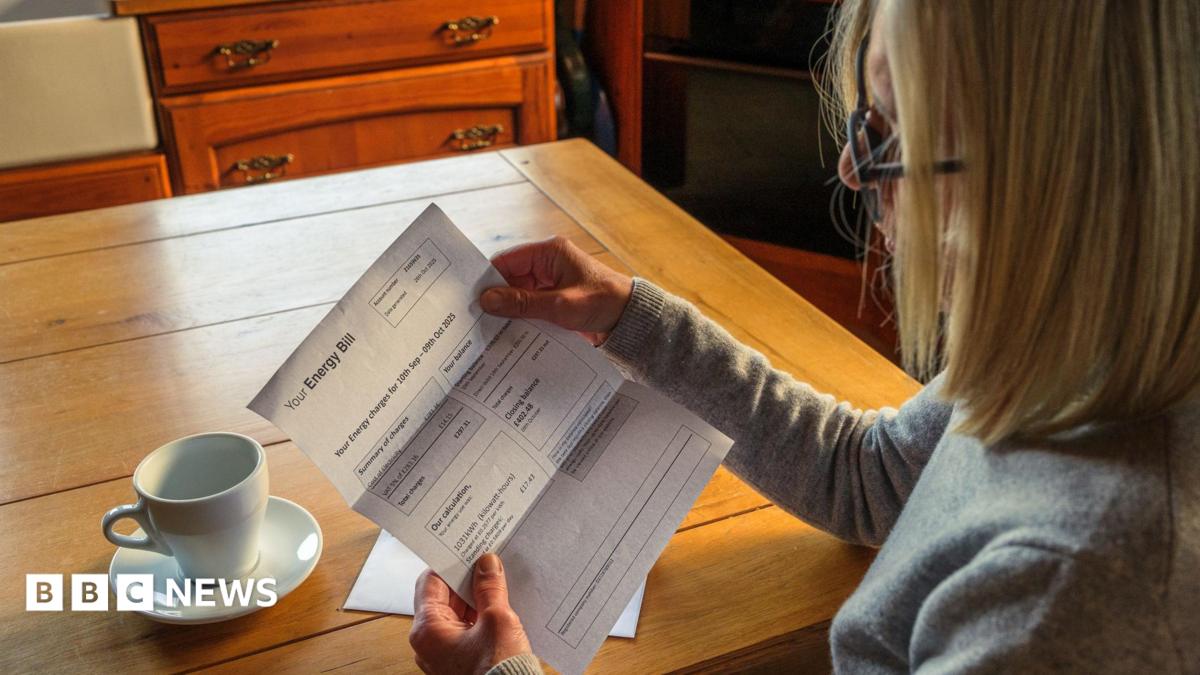
Interest rates are trending due to the UK government capping interest rates on certain student loans. This aims to protect borrowers from future fluctuations in the market.
The topic of 'interest rate' has surged into public consciousness recently, largely due to a significant policy change by the UK government concerning student loans. In a move aimed at providing financial relief and predictability for borrowers, the government has announced a cap on the interest rates applicable to Plan 2 student loans. This development is set to take effect from September, impacting how much interest graduates will pay on their outstanding student debt.
The core of the trending story is the introduction of an interest rate cap for a specific cohort of student loan borrowers in England. The government has decided to limit the interest rate on Plan 2 student loans to a maximum of 6%. This decision was formally announced and reported across various news outlets, including The Guardian, BBC, and GOV.UK, highlighting its importance and widespread implications.
Plan 2 loans are typically taken out by students who started their undergraduate degrees between 2012 and 2021. These loans have a variable interest rate, which can fluctuate based on market conditions, specifically linked to the Bank of England base rate plus an additional margin. Historically, these rates have sometimes climbed significantly higher than the new capped rate, causing concern among borrowers about their total repayment amounts.
The capping of student loan interest rates is a crucial development for several reasons. Firstly, it offers immediate financial reassurance to hundreds of thousands of graduates. Many borrowers have faced anxiety about escalating interest charges, which can significantly prolong the repayment period and increase the overall cost of their degree. This cap provides a ceiling, preventing rates from spiralling uncontrollably.
Secondly, this policy intervention signals a shift in how the government is addressing student finance in the face of economic pressures. With the cost of living crisis and inflation impacting households across the UK, interventions that reduce financial burdens are particularly noteworthy. This decision could set a precedent for future policy decisions regarding student debt and broader financial regulations.
From an economic perspective, the cap can also influence the perceived value and accessibility of higher education. By mitigating some of the financial risks associated with student loans, such policies might encourage more individuals to pursue degrees, knowing that the repayment terms are more stable and predictable.
Student loans in the UK have a complex history. The current system, particularly the introduction of higher tuition fees and more varied loan plans, began to take shape in the early 2010s. Plan 2 loans, introduced for the 2012 academic year, replaced the older system and came with a new interest rate structure.
The interest rate on these loans is not fixed and is designed to reflect the cost of government borrowing, with an added margin. The formula typically involves the Bank of England base rate plus up to 3%. This means that when the Bank of England raises interest rates to combat inflation, the interest on student loans also increases. In recent times, with significant interest rate hikes by the Bank of England, the rates on Plan 2 loans had been projected to rise substantially, potentially exceeding 10% in some scenarios.
"The government's decision to cap interest rates on Plan 2 loans at 6% is a significant intervention that will bring much-needed relief to many former students who were bracing for higher repayment costs."
โ Analysis of the government's policy shift
This variability has often been a point of contention, with many borrowers feeling that the interest accrues too quickly, leading to a situation where their debt grows even as they make repayments. The government's decision to intervene and impose a cap is a direct response to these long-standing concerns and the recent surge in inflation-linked interest rate rises.
With the 6% cap coming into effect from September, borrowers will see their interest accrual limited. This means that even if market interest rates rise further, their loan balance will not increase beyond what this capped rate dictates. This change is expected to reduce the total amount repaid for many individuals, particularly those with higher outstanding balances or longer repayment timelines.
However, it's important to note that this cap applies specifically to Plan 2 loans. Other loan plans, such as the newer Plan 5 loans (for students starting from September 2023), have different interest rate structures and repayment terms. Furthermore, the cap does not mean that all borrowers will repay their loans faster or necessarily less overall if their income remains high enough to clear the debt before it's written off.
The long-term implications of this policy will unfold over time. It raises questions about the sustainability of the student finance system and the government's approach to managing its loan book. As economic conditions continue to evolve, further adjustments or policy reviews regarding student loans may occur. For now, the focus remains on the immediate relief this cap provides to a generation of graduates grappling with significant student debt.
Interest rates are trending due to the UK government announcing a cap of 6% on interest rates for Plan 2 student loans. This decision aims to protect borrowers from potentially higher repayment costs.
The UK government has decided to cap the interest rate on Plan 2 student loans at 6% from September. This means that even if market rates rise, the interest charged on these loans will not exceed this level.
The interest rate cap applies to Plan 2 student loans, typically taken out by undergraduate students who started their studies in England between September 2012 and August 2021.
The government introduced the cap to protect borrowers from the impact of high inflation and rising interest rates, which could have significantly increased their student loan debt and repayment periods.
The cap limits the amount of interest that can be charged, which could lower the total amount repaid if market rates would have otherwise pushed the interest higher than 6%. However, actual monthly payments depend on your income and the total loan balance.