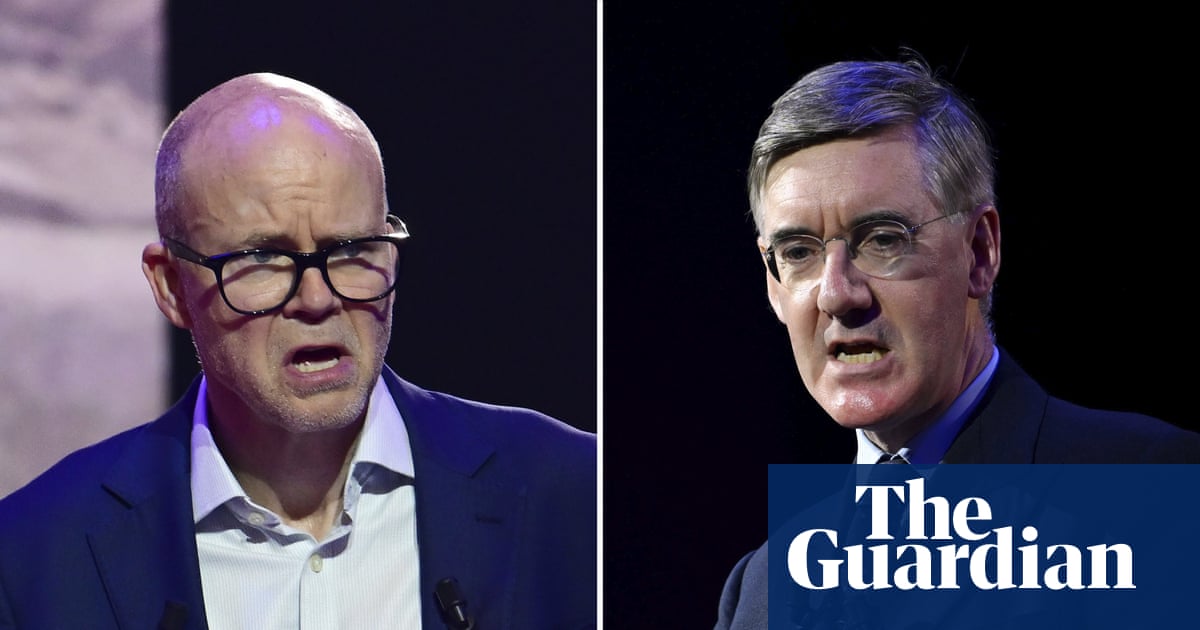
Jacob Rees-Mogg and US Funding for Conservative Groups
Prominent British conservative figure Jacob Rees-Mogg is once again a subject of public attention following reports that the Trump administration is considering significant financial support for organizations he has been involved with. This potential funding, detailed in recent news outlets, is part of a wider strategy to bolster conservative and MAGA-aligned initiatives in Europe.
What Happened?
News reports from The Guardian, Financial Times, and The Telegraph have surfaced, detailing the Trump administration's plans to potentially grant substantial sums of money to conservative groups operating in Europe. Among these groups are organizations co-founded or associated with Jacob Rees-Mogg, a well-known UK politician and former government minister. The proposed funding amounts range, with some reports mentioning figures as high as $12 million to be distributed among these groups, framed as support for "MAGA-aligned projects."
Why It Matters
This development is significant for several reasons. Firstly, it highlights a potential foreign policy initiative from the former US President Donald Trump to leverage aid or grants to support political movements and organizations abroad that align with his "Make America Great Again" ideology. Secondly, the direct involvement of Jacob Rees-Mogg, a figure with a substantial political profile in the UK, connects this US funding directly to established conservative networks in Britain and potentially across Europe. The allocation of US funds to promote specific political ideologies in other nations can spark international debate and scrutiny over sovereignty and the influence of foreign governments on domestic politics.
Background Context
Jacob Rees-Mogg has been a long-standing figure in the UK Conservative Party, known for his eurosceptic views and his role in the Brexit campaign. He has held several high-profile positions, including Leader of the House of Commons. His political career has often been characterized by a staunch adherence to conservative principles and a distinctive public persona.
The mention of "MAGA-aligned projects" suggests a deliberate effort to fund groups that echo the political sentiments and strategies championed by Donald Trump during his presidency and subsequent political activities. This approach to foreign funding is not unprecedented, as nations often engage in soft power initiatives, but the specific alignment with a particular US political movement adds a unique dimension to this reported plan.
The potential allocation of US funds to support specific political ideologies in Europe raises questions about the intersection of foreign policy and domestic political influence.
What to Expect Next
The future of this proposed funding remains uncertain. If confirmed and implemented, it could lead to:
- Increased scrutiny of the recipient organizations and their activities.
- Debates within the US and the UK regarding the use of foreign aid and political influence.
- Potential diplomatic reactions from European governments.
- Further analysis of the Trump administration's strategy for engaging with conservative movements internationally.
It is important to note that these are reports, and the final decisions regarding funding allocation and the specific targets are subject to change. The ongoing discussion revolves around the implications of such financial flows and their potential impact on the political landscape in Europe.