January 6th Capitol Attack: Legal Developments Resurface Questions
The events of January 6th, 2021, continue to resonate in American politics and law, with recent legal maneuvers bringing the United States Capitol attack back into the public spotlight. The US Justice Department has initiated actions to overturn convictions related to the attack, specifically targeting seditious conspiracy charges against members of far-right groups such as the Proud Boys and Oath Keepers. This development has sparked renewed discussion about the legal ramifications and the ongoing pursuit of justice for the insurrection.
What Happened on January 6th?
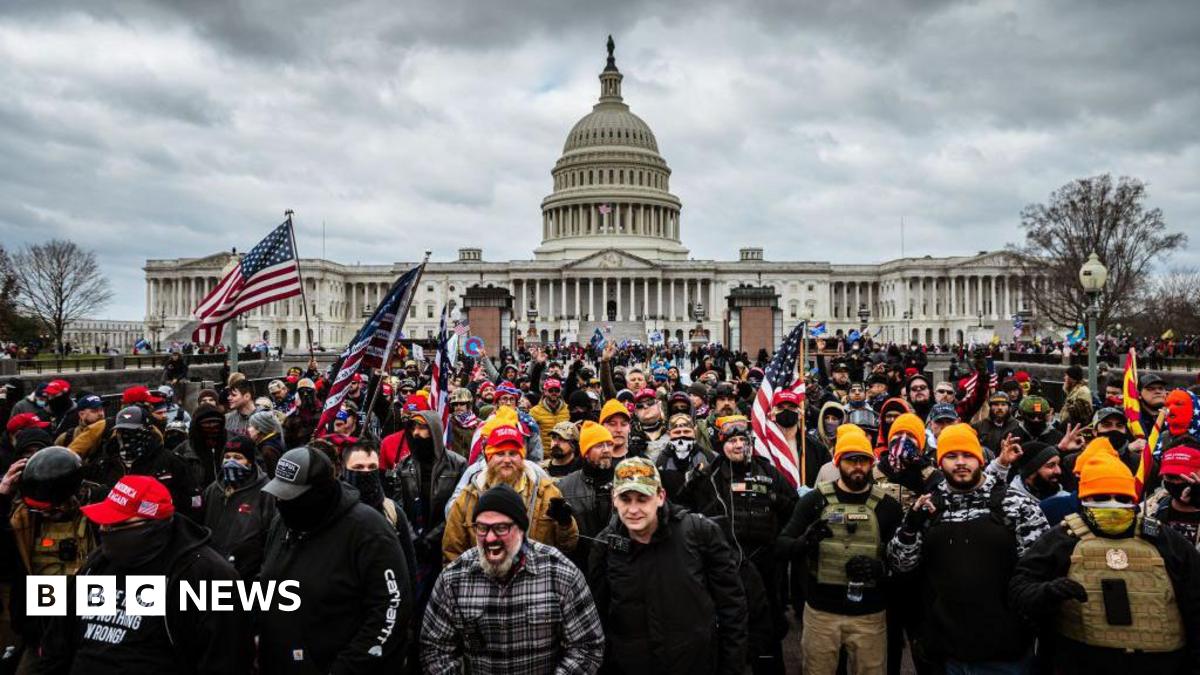
On January 6th, 2021, a large crowd of supporters of then-President Donald Trump gathered in Washington D.C. to protest the results of the 2020 presidential election. Following a rally near the White House, a significant number of individuals marched to the US Capitol Building. Breaching security, they stormed the building, disrupting the joint session of Congress that was in the process of certifying the Electoral College votes. The riot led to the deaths of several people, injuries to many more, and significant damage to the Capitol.
Why This Legal Action Matters
The January 6th attack was a watershed moment in recent American history, challenging democratic institutions and the peaceful transfer of power. The subsequent investigations and prosecutions have been extensive, with hundreds of individuals facing charges. The Justice Department's recent request to dismiss seditious conspiracy convictions is particularly noteworthy. This specific charge, carrying severe penalties, has been a cornerstone of the legal strategy against leaders of extremist groups believed to have planned and incited the violence. The potential overturning of these convictions raises questions about the strength of the evidence presented and the interpretation of conspiracy laws in relation to the events of that day.
“The Justice Department’s decision to move to dismiss these specific convictions reflects evolving legal strategies and assessments of the evidence presented in court.”
Background Context: The Investigations and Prosecutions
In the wake of the Capitol attack, federal authorities launched a massive investigation. This has led to over 1,000 arrests and prosecutions, ranging from misdemeanor charges for trespassing to serious felony offenses like assaulting law enforcement officers and seditious conspiracy. The seditious conspiracy charge, defined as conspiring to overthrow, put down, or to destroy by force the Government of the United States, or to levy war against it, was brought against key figures in groups like the Oath Keepers and the Proud Boys. The trials have been complex, often relying on digital evidence, witness testimonies, and the defendants' own statements and communications.
The recent legal filings suggest a potential shift in how the Justice Department is approaching these particular cases. While the reasons are not fully elaborated in all public reports, such decisions can stem from various factors, including appellate court rulings, re-evaluations of trial evidence, or plea negotiations. This move does not necessarily absolve the individuals of all wrongdoing; other charges and convictions may still stand, and further legal proceedings are likely.
What to Expect Next
The implications of these legal developments are significant. If the dismissals are approved by the courts, it could lead to reduced sentences for some defendants or necessitate new legal strategies by the prosecution. It also opens the door for further legal challenges and appeals from other individuals convicted in connection with January 6th. The public will likely see continued coverage of these legal proceedings as they unfold, with ongoing debates about accountability, justice, and the future of domestic extremism investigations. The broader impact on the perception of the January 6th investigations and the government's efforts to prosecute those involved will be closely watched by legal experts, politicians, and the public alike.
The legal battles stemming from the January 6th Capitol attack are far from over. These recent actions by the Justice Department underscore the intricate and evolving nature of the legal process in addressing an unprecedented event. The focus now shifts to how these specific dismissals will be handled by the courts and what further impact they will have on the broader narrative and legal consequences of the January 6th insurrection.