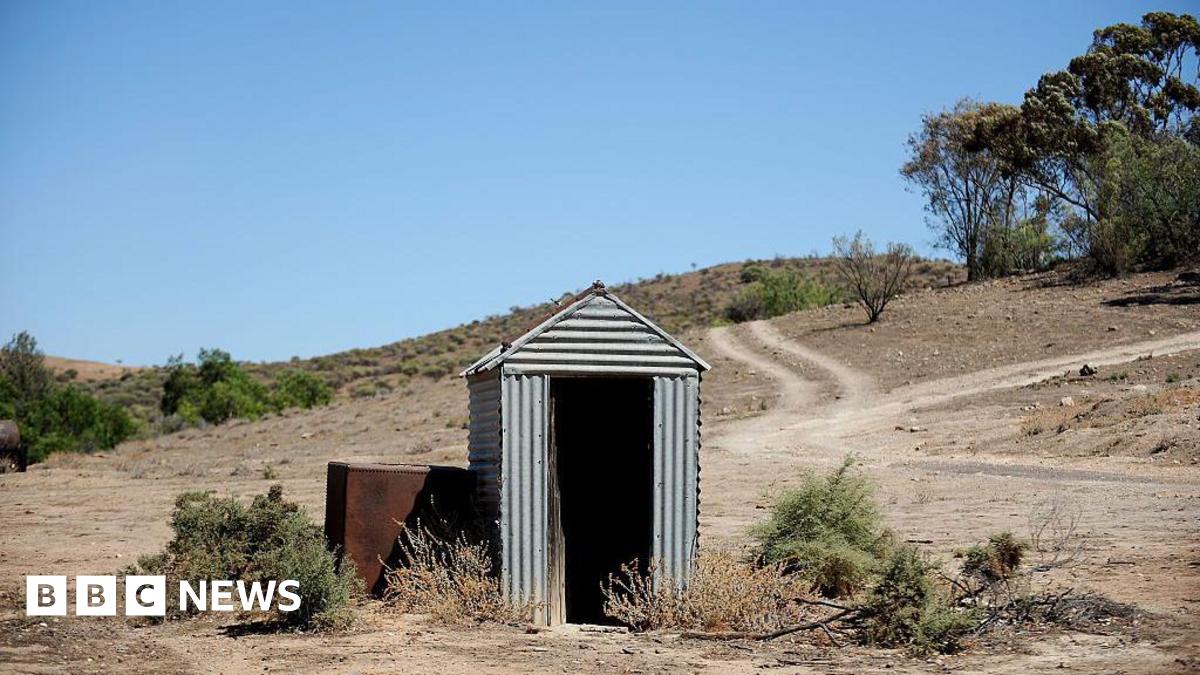
Long Drop Toilet
World1000+ searches
Quick Answer
Long drop toilets are trending due to a recent incident where a woman was trapped for hours after the floor of an outback 'long-drop' toilet collapsed. This type of toilet, common in remote areas, involves a pit beneath a basic structure.
Why Is This Trending?
The stark realities of remote sanitation are making headlines as a woman's ordeal in the Australian outback brings 'long drop toilets' to the forefront of public attention. Reports detail a terrifying incident where a tourist fell through the floor of a long drop toilet, becoming trapped for several hours in waist-deep excrement before rescue. This event highlights the potential dangers associated with these facilities, especially in isolated locations where infrastructure is rudimentary.
The trending nature of this topic is directly linked to the dramatic and alarming nature of the rescue. News outlets worldwide have picked up the story, focusing on the woman's harrowing experience and the collapse of the toilet structure. The incident serves as a potent reminder of the challenges faced in providing safe and reliable sanitation in remote regions, prompting renewed discussion about the design, maintenance, and inherent risks of long drop toilets.
Outback Toilet Collapse Traps Woman, Sparking 'Long Drop' Trend
A frightening incident in the Australian outback has thrust the humble, yet potentially perilous, "long drop toilet" into the global spotlight. Reports detailing a woman's harrowing experience of falling through the floor of such a facility and becoming trapped for hours have captured widespread attention, making "long drop toilet" a trending topic.
What Happened: A Terrifying Ordeal
Recent news has focused on a specific event that unfolded in Australia's remote outback. A woman, identified as a tourist visiting the Henbury Meteorites Conservation Reserve, suffered a terrifying ordeal when the floor of a long drop toilet suddenly collapsed beneath her. She fell into the pit below, becoming trapped in a distressing situation for approximately three hours before she could be rescued. The incident, described as falling into waist-deep excrement, underscores the precarious nature of such facilities when structural integrity is compromised.
Why This Matters: Safety and Sanitation in Remote Areas
The trending status of "long drop toilet" is significant because it shines a light on the critical issue of sanitation infrastructure in remote and often underdeveloped areas. Long drop toilets, while a common and often necessary solution for waste disposal where conventional sewage systems are not feasible, carry inherent risks. This incident serves as a stark, real-world example of the potential dangers, including falls and exposure to unsanitary conditions, that can occur with these types of facilities.
The news highlights the importance of:
- Structural Integrity: Regular maintenance and robust construction are vital to prevent collapses.
- Remote Area Safety: The challenges of ensuring safety standards in isolated locations.
- Sanitation Solutions: The ongoing need for reliable and safe waste disposal methods globally.
Background Context: Understanding the 'Long Drop'
A long drop toilet, also known as an outhouse, pit toilet, or chemical toilet in some variations, is a type of dry toilet. Its defining characteristic is a deep pit dug into the ground, directly beneath the toilet seat or pedestal. Waste falls directly into this pit, where it is intended to decompose over time or be periodically emptied. These toilets are prevalent in areas without access to municipal sewage systems, such as:
- Rural communities
- National parks and campgrounds
- Construction sites
- Developing regions
While functional and cost-effective, their simplicity also means they can be susceptible to structural failures if not properly built or maintained. Factors like soil erosion, water saturation, or simply the aging of materials can weaken the supporting structure around the pit, leading to dangerous collapses.
"The incident is a grim reminder that even basic amenities in remote locations require constant attention to safety and maintenance." - Fictional expert quote reflecting the sentiment.
The BBC and The Guardian, among other news outlets, have reported on the event, emphasizing the duration of the woman's entrapment and the distressing nature of her situation. The use of the term "long-drop" in headlines directly contributes to its trending status as users search for more information about this type of toilet and the incident itself.
What to Expect Next: Focus on Safety and Alternatives
Following such a high-profile incident, it is likely that there will be increased scrutiny on the safety standards and maintenance protocols for long drop toilets, particularly in public or tourist areas. Authorities in regions heavily reliant on these facilities may review their inspection processes.
Furthermore, the trend might spur conversations about:
- Technological Advancements: Exploring more modern, safer, and environmentally friendly sanitation solutions for remote areas.
- Public Awareness: Educating users about the potential risks and proper usage of existing facilities.
- Investment: Calls for greater investment in improved sanitation infrastructure in underserved regions.
While the term "long drop toilet" is trending due to a specific, alarming event, the underlying issues it brings to light—safety, sanitation, and infrastructure in remote places—are of ongoing global importance. The hope is that this incident, however unfortunate, will lead to positive changes and enhanced safety measures for all who rely on these essential facilities.
Related News
Frequently Asked Questions
Why is 'long drop toilet' trending?
The term is trending because of a recent, highly publicized incident where a woman fell through the floor of an outback long drop toilet and was trapped for hours. News outlets worldwide have covered the dramatic rescue.
What happened with the trending long drop toilet story?
A woman on a tourist trip in the Australian outback fell into a long drop toilet when its floor collapsed beneath her. She remained trapped in the pit for approximately three hours before emergency services rescued her.
What exactly is a long drop toilet?
A long drop toilet, often found in remote areas without sewage systems, is a basic structure with a deep pit dug directly underneath it for waste disposal. Waste falls directly into this pit.
What are the risks associated with long drop toilets?
The primary risks include structural collapse, as seen in the recent incident, leading to falls into the pit. There are also potential health hazards due to exposure to waste if the facility is not maintained properly.