Malta in the Spotlight Over Abortion Pill Accessibility Debate
Malta, a European island nation, has found itself at the forefront of a trending discussion related to reproductive rights and healthcare access, specifically concerning abortion pills. Recent developments have ignited a significant public debate, bringing the country's stringent abortion laws into sharp focus.
What Happened?
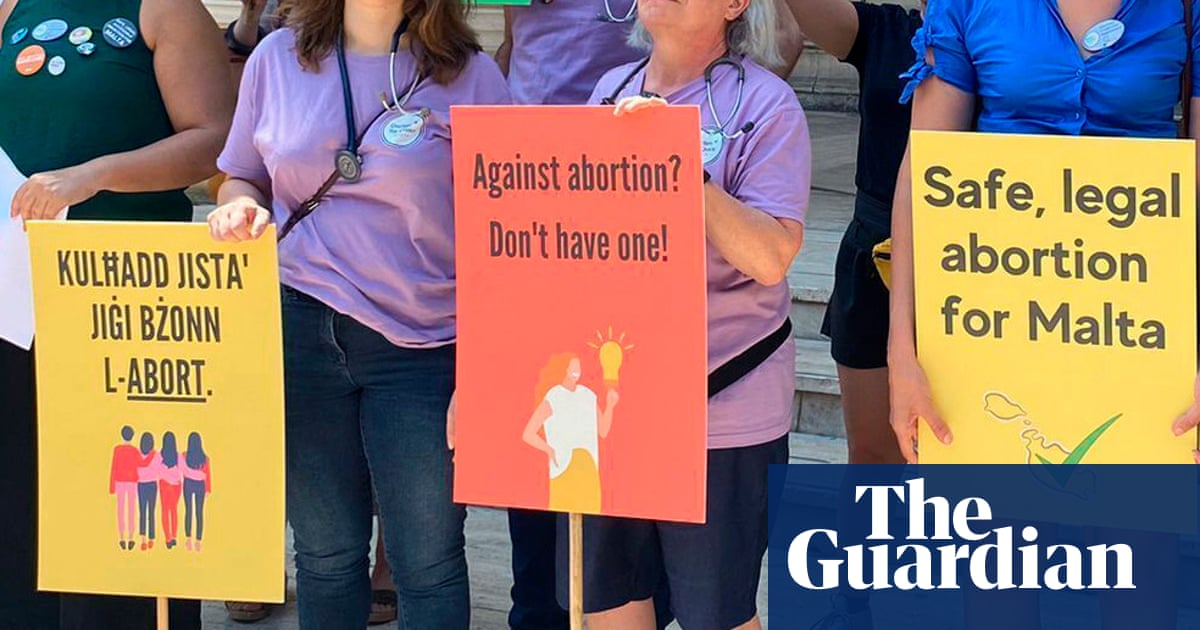
The primary catalyst for Malta's trending status is the reported creation and distribution of "lockboxes" containing abortion pills by pro-choice campaigners. While the exact details of how these pills are made available and managed are still emerging, the initiative signals a determined effort by some groups to provide access to reproductive healthcare options that are largely illegal or severely restricted within Malta. This action has not gone unnoticed and has prompted swift reactions from various societal stakeholders.
Specifically, news outlets such as The Guardian have reported on the pro-choice campaigners' efforts. In response, organizations within Malta have voiced their opinions. The Malta Independent highlighted the "grave concern" expressed by NCW Malta (National Council of Women Malta) regarding these reported lockboxes. This indicates a clear division in public opinion and a complex ethical and legal landscape surrounding the issue.
Why Does This Matter?
The trending topic surrounding Malta is significant because it touches upon fundamental human rights, bodily autonomy, and the role of the state in regulating healthcare. Malta maintains one of the most restrictive abortion bans in Europe, with abortion being illegal under all circumstances and punishable by lengthy prison sentences for both the woman and any medical professional involved.
"The debate in Malta is a microcosm of broader global discussions about reproductive justice, access to healthcare, and the tension between deeply held religious and cultural values and modern healthcare practices."
The initiative by pro-choice campaigners represents a direct challenge to these restrictive laws, raising questions about civil disobedience, the potential risks associated with accessing medication outside of legal medical channels, and the effectiveness of current legal frameworks in addressing the needs of individuals seeking abortions. The involvement of organizations like NCW Malta signifies the issue's impact on public discourse and the broader implications for women's health and rights within the country.
Background Context: Malta's Strict Abortion Laws
Understanding the current situation requires an appreciation of Malta's historical and legal context regarding abortion. As a predominantly Catholic nation, Malta has long upheld a conservative stance on reproductive rights.
- Legal Status: Abortion is illegal in Malta with no exceptions, not even in cases of rape or incest, or when the mother's life is at risk.
- Penalties: The law stipulates severe penalties for individuals undergoing abortions and for those assisting in them.
- Recent History: While the laws have remained largely unchanged, there have been increasing calls and activism from pro-choice groups in recent years, advocating for reform or decriminalization.
- International Comparison: Malta stands in contrast to many other European Union member states, where abortion access has become more liberalized over the decades.
The introduction of the lockbox initiative can be seen as a response to the perceived lack of progress in legal reform and the ongoing difficulties faced by individuals seeking to terminate pregnancies. It highlights the frustrations of those who believe the current laws are harmful and inhumane.
What to Expect Next
The unfolding situation in Malta is likely to generate further debate and potentially legal or political repercussions. Several outcomes could be anticipated:
- Continued Public Discourse: Expect intensified public discussion, with both sides of the debate articulating their positions more forcefully. This will likely involve advocacy groups, religious institutions, and political figures.
- Legal Challenges: The legality of the lockbox initiative itself could be scrutinized, potentially leading to legal challenges against those involved in distributing abortion pills.
- Political Action: The trending topic may pressure political parties to address the issue of abortion reform more directly, potentially leading to legislative proposals or debates in parliament.
- International Scrutiny: Malta's stance on abortion often draws international attention, and this latest development is likely to keep the country under scrutiny from human rights organizations and international bodies.
- Organizational Responses: Further statements and actions from organizations like NCW Malta and other civil society groups are expected, shaping the narrative and influencing public opinion.
The conversation around abortion pills in Malta is a complex and sensitive one, reflecting deep-seated societal values and challenging legal frameworks. As the situation develops, it will be crucial to follow the various perspectives and potential consequences for reproductive healthcare in the country.