Moldova
Business100+ searches
Quick Answer
Moldova is trending due to significant advancements and strategic investments in its railway infrastructure. Recent developments focus on modernizing key lines and introducing European-standard locomotives, enhancing regional connectivity and trade potential.
Why Is This Trending?
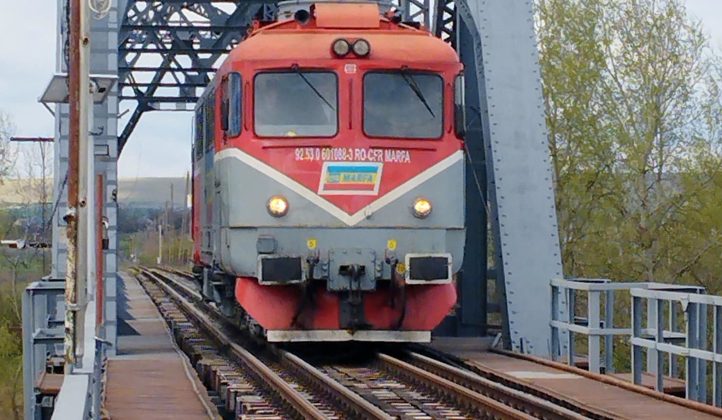
Recent news highlights a pivotal moment for Moldova's transportation sector, particularly its railway network. The topic is trending as the country celebrates the arrival of its first European-standard locomotive that has crossed the Prut River, a significant milestone in modernizing its rail capabilities and aligning with European standards.
Furthermore, substantial progress is being made on southern railway lines, with advanced works reported on crucial routes. Authorities are actively evaluating strategic investments, including those for the Cahul and the Cantemir–Fălciu railway line. These developments underscore a concerted effort to upgrade Moldova's infrastructure, improve cross-border connectivity, and unlock economic opportunities, making the nation's railway future a subject of considerable interest.
Moldova's Railway Renaissance: A New Era of Connectivity
Recent developments in Moldova are signaling a significant shift in the nation's transportation landscape, with a particular focus on the modernization and expansion of its railway infrastructure. This surge of activity and investment has propelled "Moldova" into trending discussions, highlighting a period of rapid advancement aimed at enhancing regional connectivity and economic potential.
What's Happening: Key Milestones in Railway Development
The primary driver behind Moldova's trending status is the tangible progress being made on its railway network. A landmark event was the arrival of the first European-standard railway locomotive to cross the Prut River. This is not merely symbolic; it represents a crucial step towards integrating Moldova's rail system with the broader European network, enabling more efficient transit of goods and passengers.
Complementing this, advanced works are underway on the southern section of the country's railway lines. This includes significant upgrades and modernization efforts on key routes that are vital for both domestic and international trade. Reports indicate that authorities are actively involved in evaluating and pushing forward strategic investments, notably concerning the railway lines in Cahul and the Cantemir–Fălciu corridor.
Why It Matters: Strategic Importance and Economic Impact
The modernization of Moldova's railway infrastructure holds profound strategic importance. Firstly, it directly addresses the nation's goal of closer integration with the European Union, particularly in the context of recent geopolitical shifts and the need for diversified trade routes. Improved rail links can facilitate quicker and more cost-effective transport of Moldovan goods to European markets.
"The upgrade of our railway infrastructure is not just about moving trains; it's about moving our economy forward and strengthening our ties with Europe," stated an official involved in the project evaluations.
Secondly, these investments are poised to stimulate economic growth. Enhanced connectivity, especially through the southern regions connecting to key transit points like Fălciu, can unlock new trade opportunities and potentially attract foreign investment. The development is expected to benefit local economies in areas like Cahul and along the Cantemir-Fălciu line through job creation and improved logistics.
The introduction of European-standard locomotives also signifies an upgrade in operational efficiency and safety standards, aligning Moldova with international best practices.
Background Context: A Foundation for Growth
Moldova has long faced challenges related to its aging infrastructure, including its railway network, which largely dates back to the Soviet era. Historically, the country's rail system has been crucial for freight transport but has struggled with modernization, impacting its competitiveness and efficiency compared to its Western neighbors.
Recent years have seen a growing recognition of the need for substantial investment in infrastructure as a key driver for economic development and national security. The war in Ukraine has further underscored the importance of robust and diversified transport corridors, making the upgrade of Moldova's rail links, particularly those connecting to Romania and onward to the EU, a strategic priority.
The strategic location of Moldova, situated between Romania (an EU member) and Ukraine, makes its infrastructure upgrades particularly significant for regional transit potential. Investments in lines like Cantemir–Fălciu are crucial for establishing alternative routes and easing pressure on existing transit corridors.
What to Expect Next: Future Outlook
With the current momentum, several developments are anticipated:
- Completion of Southern Line Upgrades: Expect further updates on the progress of works on the southern railway lines, with a focus on timelines for completion and operational readiness.
- Expansion of European-Standard Fleet: The introduction of the first European-standard locomotive is likely the beginning of a broader fleet upgrade, aiming to standardize operations and enhance interoperability.
- Increased Cross-Border Trade: As infrastructure improvements take hold, Moldova could see a tangible increase in cross-border trade facilitated by rail, boosting its export capabilities.
- Further Investment Evaluations: Authorities will likely continue to assess and announce further strategic investments in other key railway corridors to ensure comprehensive network development.
- Integration with EU Corridors: The long-term vision involves seamless integration of Moldova's rail network into the Trans-European Transport Network (TEN-T), further solidifying its role in regional logistics.
In conclusion, Moldova's trending status is a testament to its proactive approach in revitalizing its railway infrastructure. These advancements promise to reshape the nation's connectivity, bolster its economy, and deepen its integration with Europe, marking a significant chapter in its development story.
Related News
Frequently Asked Questions
Why is Moldova trending today?
Moldova is trending because of significant, recent advancements in its railway infrastructure. This includes the arrival of its first European-standard locomotive crossing the Prut River and ongoing advanced works on southern rail lines, signaling a push for modernization and better European integration.
What specific railway projects are making Moldova trend?
The trending news focuses on the introduction of European-standard locomotives and crucial upgrades on southern railway lines. Strategic investments are being evaluated for key areas like Cahul and the Cantemir–Fălciu railway line, which are vital for improving connectivity.
What is the significance of the European-standard locomotive crossing the Prut?
This event marks a major step in modernizing Moldova's rail system and integrating it with the European network. It signifies a commitment to adopting higher operational and safety standards, facilitating more efficient cross-border transit.
How will these railway upgrades impact Moldova's economy?
The upgrades are expected to boost Moldova's economy by improving trade efficiency, potentially attracting foreign investment, and creating jobs. Enhanced connectivity, especially to European markets, can increase the competitiveness of Moldovan exports.
What is the background of Moldova's railway infrastructure development?
Moldova's rail network has historically been aging, with much of it dating back to the Soviet era. Recognizing this, the country is now making strategic investments to overcome these limitations, driven by a need for economic growth and closer ties with the EU.