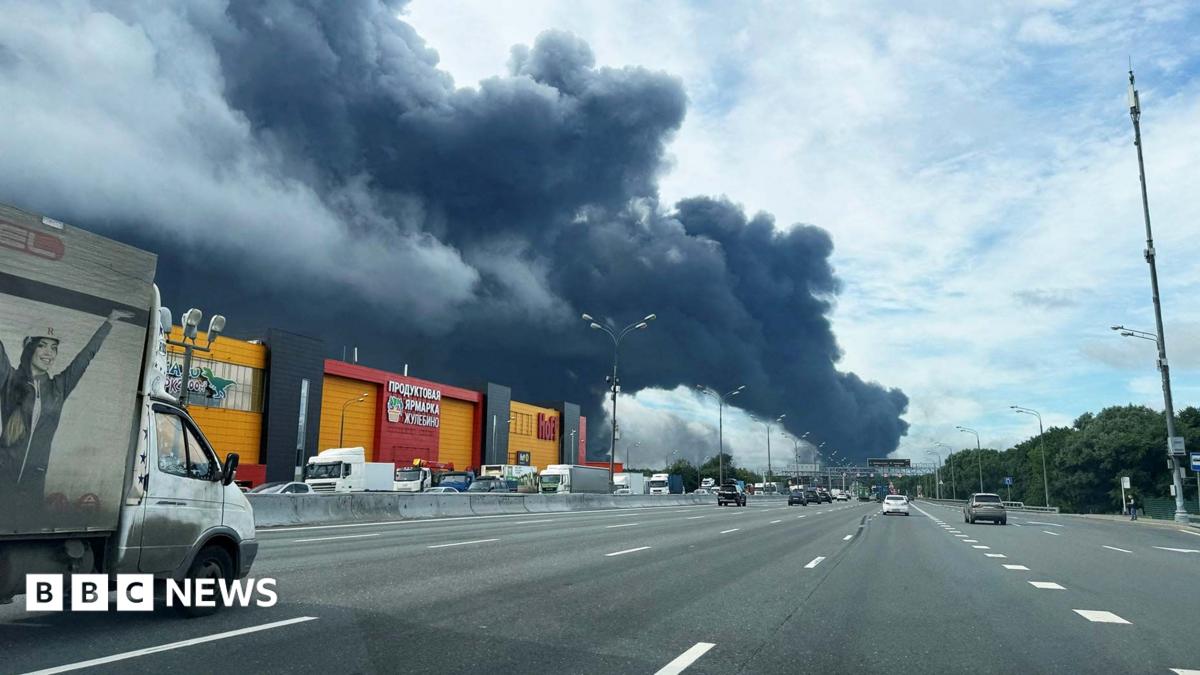
Moscow Engulfed in Smoke and Fear After Major Ukrainian Drone Attack
Moscow, the heart of Russia, found itself under a cloud of smoke and apprehension following a significant drone attack attributed to Ukraine. The incident, which targeted a key oil refinery on the outskirts of the capital, has had dramatic visible effects, prompting widespread concern among residents and international observers. Reports of unsettling black rain and choking smoke have dominated headlines, highlighting the escalating nature of the conflict and its tangible impact on urban life.
What Happened: A Night of Aerial Assault
Overnight, Ukrainian drones launched a coordinated assault, with a primary focus on an oil refinery supplying the Moscow region. While initial reports confirmed the successful interception of some drones, others are believed to have hit their targets. The consequences were immediate and visually striking. Residents across Moscow and surrounding areas reported a thick, acrid smoke filling the sky, obscuring landmarks and creating hazardous breathing conditions. Adding to the alarm, many described experiencing a peculiar black rain, a phenomenon that suggested the dispersal of soot and potentially harmful chemical byproducts from the damaged refinery.
"The sky turned dark, not like night, but like a dirty smudge. Then it started raining, and the drops were black. It smelled terrible."
- A Moscow resident speaking anonymously to a local news outlet.
Why It Matters: Escalation and Environmental Impact
This attack is significant for several reasons. Firstly, it represents a determined effort by Ukraine to extend the reach of its counteroffensive operations directly into Russian territory, targeting vital infrastructure. The successful penetration of air defenses around Moscow, even partially, demonstrates a growing capability and strategic intent. Secondly, the environmental consequences are a major concern. The 'black rain' indicates that combustion byproducts and potentially volatile chemicals from the oil refinery have been aerosolized and dispersed by the explosions and subsequent fires. This raises immediate public health questions regarding air quality and potential long-term ecological damage to the surrounding areas.
Background Context: The Evolving Conflict
The conflict between Russia and Ukraine, which began with Russia's full-scale invasion in February 2022, has seen periods of intense fighting and strategic maneuvering. While much of the combat has been concentrated in eastern and southern Ukraine, there has been a noticeable increase in drone attacks targeting Russian territory in recent months. These strikes have hit various locations, including military airfields, border regions, and, increasingly, economic and logistical hubs. The targeting of an oil refinery near Moscow is a notable escalation, aiming to inflict economic damage and sow psychological unease within the Russian population and leadership. International responses have varied, with many Western nations providing military and financial aid to Ukraine while condemning Russia's aggression.
What to Expect Next: Heightened Tensions and Security Measures
In the immediate aftermath, Moscow authorities are expected to focus on damage assessment, environmental monitoring, and bolstering air defense capabilities. Residents are likely to face continued restrictions on outdoor activities due to poor air quality. Politically, the attack is expected to further inflame tensions between Russia and Ukraine, potentially leading to retaliatory actions from Moscow. The international community will be closely watching for any shifts in military strategy or diplomatic engagement. Analysts suggest that such incidents may prompt Russia to increase its own long-range strikes on Ukrainian infrastructure in response.
The long-term implications depend on the scale of the damage to the refinery, the extent of environmental contamination, and the strategic decisions made by both governments. The events serve as a stark reminder of the unpredictable and far-reaching consequences of modern warfare, particularly when critical infrastructure and densely populated areas become targets.
- Increased Air Defense Patrols: Expect enhanced surveillance and defensive measures around Moscow and other strategic locations.
- Environmental Monitoring: Authorities will likely conduct tests to assess air and water quality following the black rain phenomenon.
- Potential Retaliation: Russia may respond with intensified strikes on Ukrainian targets.
- Public Health Advisories: Residents may receive guidance on limiting outdoor exposure due to air pollution.