Neanderthals: More Than Just Cavemen
The name 'Neanderthal' has long conjured images of brutish, less intelligent human ancestors, often depicted as stumbling through a prehistoric world. However, a wave of recent research is dramatically challenging these stereotypes, suggesting our ancient relatives were far more sophisticated and resourceful than we ever imagined. From advanced toolmaking to potential medicinal practices, current scientific findings are painting a new, more nuanced picture of these fascinating hominins, sparking renewed interest and debate in the scientific community and beyond.
What Happened? Unveiling Neanderthal Ingenuity
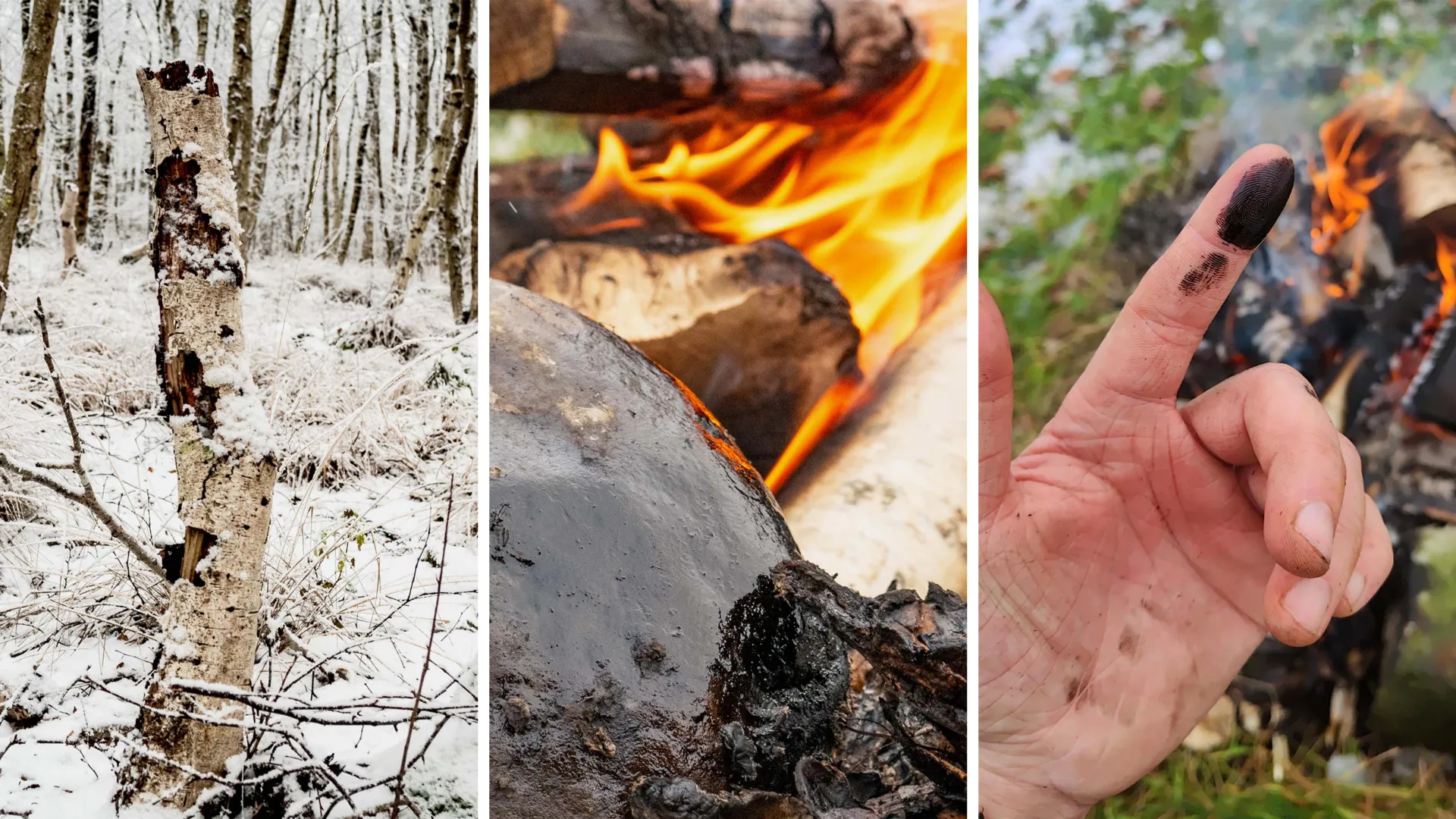
Several groundbreaking studies have recently shed light on the advanced capabilities of Neanderthals. One significant discovery, reported by Science Daily and UA.NEWS, suggests that Neanderthals may have utilized prehistoric glue, specifically birch tar, not just for tool construction but also as an ancient antibiotic. Researchers found that experimental birch tar could suppress dangerous bacteria like Staphylococcus, hinting at a sophisticated understanding of natural remedies and their medicinal properties. This implies Neanderthals actively sought out and understood how to use natural substances for health and healing, a level of knowledge previously attributed primarily to our direct ancestors, Homo sapiens.
Further research, highlighted by Archaeology News Online Magazine, points to Neanderthal woodworking skills being far more advanced than previously believed. Evidence suggests they were capable of complex tasks involving wood, indicating a level of cognitive ability and planning that rivals early Homo sapiens. This challenges the notion that Neanderthals were merely simple hunters, suggesting they engaged in intricate craftwork, potentially for shelter, tools, or even art.
Why It Matters: Rewriting the Human Family Tree
These discoveries are crucial because they fundamentally alter our understanding of human evolution and the cognitive capabilities of our closest extinct relatives. For decades, the prevailing narrative placed Homo sapiens significantly ahead in terms of intelligence, innovation, and complex behavior. The new evidence suggests a more complex evolutionary landscape, where Neanderthals possessed skills and knowledge that were either on par with, or at least surprisingly close to, their contemporaries.
The potential use of birch tar as an antibiotic is particularly important. It indicates a proactive approach to health and survival, suggesting Neanderthals were not just reacting to their environment but actively manipulating it for their benefit. This implies a deeper level of problem-solving and scientific curiosity. Similarly, advanced woodworking suggests sophisticated planning, fine motor skills, and an understanding of material properties. These are not traits typically associated with the 'dim-witted' Neanderthal of popular imagination.
"The archaeological record is increasingly revealing a Neanderthal past that is far richer and more complex than previously assumed. Their cognitive abilities and adaptive strategies were likely more sophisticated than the traditional 'barbarian' stereotype allows."
Background Context: The Evolving View of Neanderthals
Neanderthals (Homo neanderthalensis) lived in Eurasia from about 400,000 years ago until they disappeared around 40,000 years ago. They co-existed and interbred with anatomically modern humans (Homo sapiens) for thousands of years. Early anthropological studies, based on limited fossil evidence and a focus on their physical differences, often portrayed them as primitive and intellectually inferior. This view was reinforced by popular culture, solidifying their image as evolutionary dead-ends.
However, over the past few decades, a growing body of evidence has begun to challenge this simplistic narrative. Discoveries of Neanderthal art, burial rituals, complex tools, and evidence of symbolic behavior have steadily chipped away at the old stereotypes. Genetic studies have also revealed that modern humans carry Neanderthal DNA, a testament to interbreeding and a shared evolutionary history. This ongoing re-evaluation is crucial for a comprehensive understanding of our own species' journey and the diverse tapestry of human evolution.
What to Expect Next: Deeper Insights into Neanderthal Lives
As scientific techniques continue to advance, we can expect further revelations about Neanderthal life. More detailed analysis of archaeological sites, improved methods for analyzing ancient DNA, and sophisticated experimental archaeology will likely uncover even more evidence of their ingenuity. Researchers will continue to explore the potential medicinal uses of ancient materials and the full extent of their technological capabilities. The focus will likely shift from simply proving Neanderthals were 'intelligent' to understanding the nuances of their specific cognitive abilities, social structures, and cultural practices. This ongoing research promises to continue reshaping our perception of these ancient humans and their place in our shared past.
- Advanced Tool Use: Further analysis of lithic artifacts and woodworking remains.
- Paleo-Pharmacology: Investigating other natural substances Neanderthals may have used for medicinal purposes.
- Cognitive Abilities: Comparing Neanderthal problem-solving strategies with early Homo sapiens.
- Social Structures: Understanding their community organization and interaction patterns.