UK Social Care Reform Dominates Political Discourse Amidst NHS Collapse Fears
The United Kingdom is currently grappling with a critical juncture in its public services, with the future of social care and its profound impact on the National Health Service (NHS) at the forefront of political debate. Recent statements from Prime Minister Rishi Sunak have amplified concerns, with the PM warning that the NHS “will collapse” without urgent reform to the social care system. This stark assessment underscores the deeply intertwined nature of health and social care provision and signals a growing recognition of the systemic pressures facing the country.
The Looming Crisis: Why Social Care Matters
Social care, which provides essential support to vulnerable adults including the elderly, disabled, and those with long-term illnesses, is often seen as a crucial buffer for the NHS. When social care services are underfunded or inaccessible, individuals who require ongoing support are more likely to remain in hospital beds longer than necessary, or to experience health deteriorations that lead to emergency admissions. This phenomenon, known as delayed discharges or bed blocking, places immense strain on NHS resources, contributing to lengthy waiting lists and operational challenges.
The current system struggles with multiple issues, including inadequate funding, a workforce crisis characterized by low pay and challenging working conditions, and an aging population that is increasing demand for services. These factors create a perfect storm, pushing both social care providers and the NHS to their breaking point. The Prime Minister’s warning is not just rhetoric; it reflects a genuine fear among policymakers and healthcare professionals that the current trajectory is unsustainable.
Political Standoff Over Funding Solutions
While the need for reform is widely acknowledged, the path forward is fraught with political disagreement, particularly concerning how to fund the necessary changes. Prime Minister Sunak’s comments, delivered to the BBC, highlight the gravity of the situation and implicitly point towards the need for substantial investment. However, this potential for increased public spending has already ignited opposition.
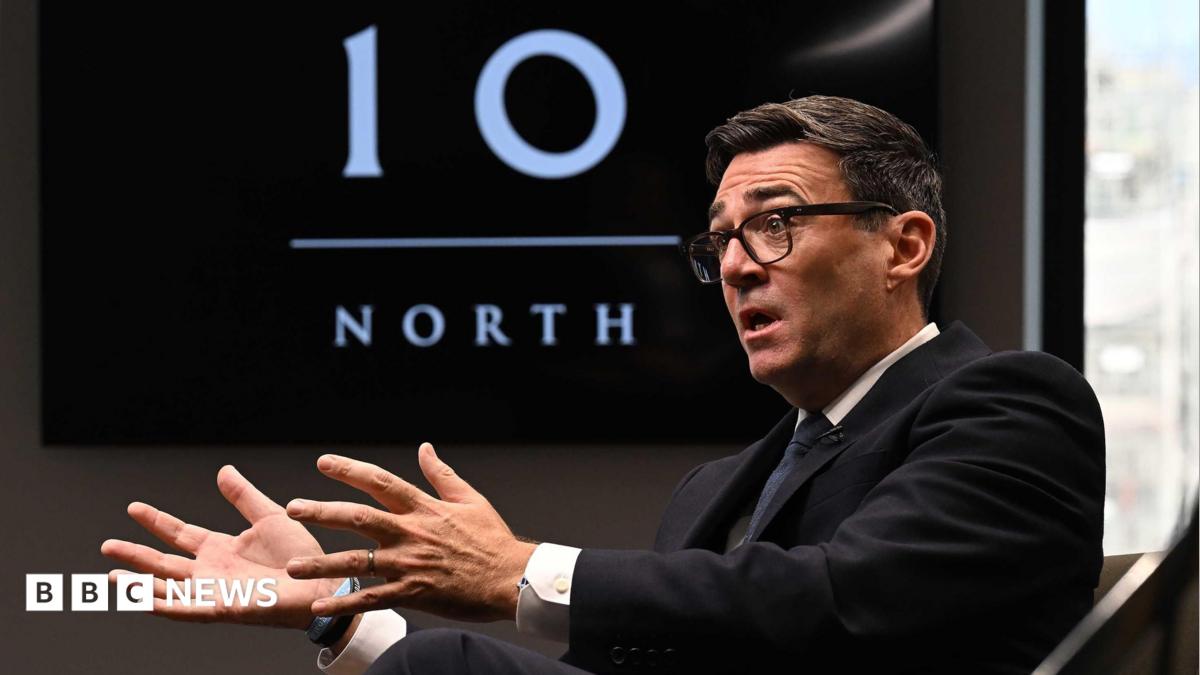
“Tories and Reform UK tell Burnham they will fight any plan to reform adult social care involving tax rises,” reported The Guardian, illustrating the significant political hurdles ahead. This indicates a deep division within the political spectrum regarding the acceptable mechanisms for financing an overhaul of the social care sector. Resistance to tax increases is a key point of contention, with some factions arguing that such measures would burden taxpayers and stifle economic growth.
This resistance creates a challenging environment for any government attempting to implement comprehensive reforms. Finding a funding model that is both sustainable and politically palatable is proving to be an immense task. The debate is not merely about allocating more money, but about fundamentally rethinking the principles of care provision and responsibility.
Exploring Alternative Models: The ‘National Care Service’
Amidst the deadlock, alternative visions for the future of care are beginning to emerge. Wes Streeting, a prominent figure in the political discourse, has hinted at the possibility of a “National Care Service” overhaul. This concept echoes the structure and ambition of the NHS, suggesting a move towards a more integrated, publicly funded, and accessible system for care services.
Such a model could potentially address many of the systemic failures plaguing the current social care landscape. Key potential benefits of a National Care Service might include:
- Improved Integration: Closer collaboration between health and social care services, leading to more seamless patient pathways.
- Standardized Quality: Ensuring a consistent level of care across the country, regardless of location or provider.
- Enhanced Workforce Support: Potential for better pay, training, and career progression to attract and retain staff.
- Universal Access: Moving towards a system where care is based on need rather than ability to pay.
However, the implementation of such a radical change would undoubtedly face significant challenges, including the immense cost, the complexities of transition, and the potential for resistance from private sector providers who currently play a significant role in delivering care.
Background Context: A Long-Standing Problem
The issues plaguing social care are not new. Decades of underinvestment, coupled with policy changes that have often failed to keep pace with demographic shifts, have led to the current crisis. Successive governments have grappled with how to reform the sector, with various green papers, white papers, and pilot schemes attempting to find solutions. The Dilnot Commission report in 2011, for example, proposed a cap on care costs, but its recommendations were never fully implemented.
The COVID-19 pandemic further exposed and exacerbated the fragilities within the social care system, highlighting the critical role it plays in public health and the devastating consequences of its neglect. Hospitals became hubs for patients who could not be discharged due to a lack of social care support, and care homes became hotspots for the virus, leading to tragic loss of life.
What to Expect Next
The current political debate suggests that the government is under immense pressure to present a credible plan for social care reform. The Prime Minister’s strong warnings about NHS collapse indicate that inaction is no longer an option. However, the deep divisions over funding and the potential for political opposition mean that the path to reform will likely be complex and contested.
We can expect continued intense negotiations between political parties, potential compromises on funding models, and further exploration of structural changes like a National Care Service. The public will be watching closely to see if a lasting solution can be found to ensure the sustainability of both social care and the NHS for future generations. The challenge lies in balancing immediate needs with long-term vision, and in finding a consensus that transcends political divides.