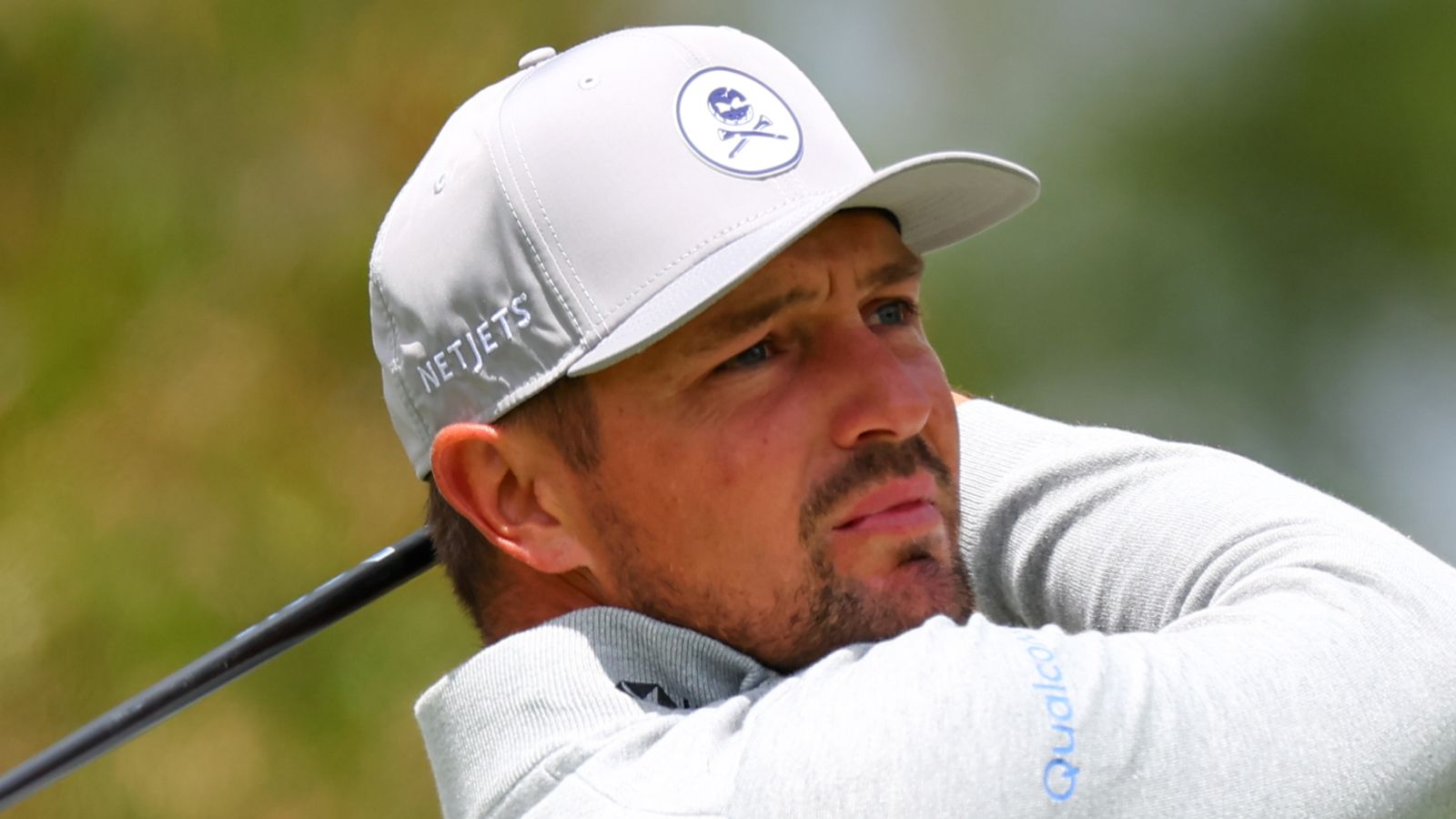
Sir Nick Faldo Questions Bryson DeChambeau's Links Golf Strategy
The name Sir Nick Faldo is currently resonating within the golf community, largely due to his recent candid assessment of Bryson DeChambeau's strategic approach to links golf. Faldo, a six-time major champion and respected elder statesman of the sport, publicly stated that DeChambeau possesses "zero clue of strategy" when it comes to playing the unique challenges presented by links courses. This strong assertion has ignited discussion and debate among fans and analysts alike, placing both Faldo and DeChambeau under the trending spotlight.
What Happened?
Sir Nick Faldo's comments, as reported by Sky Sports, directly address Bryson DeChambeau's perceived shortcomings in strategic planning for links golf. Links courses, often found in coastal regions of the UK and Ireland, are characterized by their rugged terrain, unpredictable winds, firm and fast fairways, and deep pot bunkers. These elements traditionally require a nuanced game plan that emphasizes accuracy, course management, and the ability to adapt to varying conditions, often prioritizing a lower, more controlled ball flight.
Faldo's critique implies that DeChambeau, whose game is renowned for its prodigious driving distances and aggressive power-hitting, may not possess the tactical understanding necessary to excel on such layouts. The context for these remarks appears to stem from observations of DeChambeau's performance or potential performance in major championships that feature links-style courses, such as The Open Championship.
Why It Matters: DeChambeau's Major Aspirations and Golfing Philosophy
The significance of Faldo's comments extends beyond a simple critique of one player. Bryson DeChambeau has established himself as one of golf's most talked-about figures, particularly after his major championship victories and his distinctive "scientist" approach to the game. His method involves intense physical training, meticulous course analysis, and a commitment to optimizing every aspect of his performance, often through innovative and data-driven strategies.
"From major champion to major questions: What now for Bryson DeChambeau?" is the overarching sentiment being echoed across golf media, highlighting the scrutiny DeChambeau faces, especially regarding his strategic adaptability.
Faldo's statement, therefore, taps into a larger conversation about the evolution of professional golf and whether a single, dominant strategy can be applied across all course types and major championships. The fact that other prominent golf analysts, such as Brandel Chamblee of Golfweek, have also raised questions about DeChambeau's approach ahead of future events like the 2026 Open Championship, underscores that Faldo's is not an isolated opinion. It suggests a prevailing concern within segments of the golf punditry that DeChambeau's powerful, perhaps less traditional, approach might be a limiting factor in his pursuit of further major championship success, particularly on the classic links challenges.
Background Context: Faldo's Legacy and DeChambeau's Rise
Sir Nick Faldo's own career is a testament to strategic mastery and adaptability. His three Open Championship titles were won on links courses (St Andrews, Muirfield, and Royal St George's), demonstrating his profound understanding of the game's oldest form. His insights carry weight due to his proven success in the very conditions he is critiquing DeChambeau for struggling with strategically.
Bryson DeChambeau's journey in professional golf has been marked by significant shifts and intense focus. After winning the 2020 U.S. Open with a methodical approach, he underwent a dramatic physical transformation, adding significant muscle mass and adopting an "every hole is a new hole" philosophy. This has led to unprecedented driving distances, reshaping hole layouts and challenging traditional course design. However, critics argue this relentless pursuit of power sometimes comes at the expense of the finer, more strategic elements of the game, particularly those crucial on links golf's historic stages.
The tension between Faldo's traditional, strategic viewpoint and DeChambeau's modern, power-focused methodology represents a fascinating dichotomy in contemporary golf. It raises questions about whether the game is evolving towards pure power or if strategic acumen, especially in the face of varied conditions, will always remain paramount.
What to Expect Next
The current trending status of Nick Faldo and the discussion surrounding Bryson DeChambeau's strategy is likely to persist, especially as future major championships approach. We can anticipate:
- Further analysis from golf commentators on DeChambeau's performance in upcoming events, particularly those on links courses.
- Potential responses or clarifications from Bryson DeChambeau or his team regarding his strategic preparation for different course types.
- Ongoing debate among golf fans about the balance between power and strategy in the modern game.
- Comparisons between DeChambeau's approach and that of other major champions who have excelled on links golf.
Sir Nick Faldo's commentary has undoubtedly added fuel to the ongoing narrative surrounding Bryson DeChambeau's quest for major championship glory. As golf continues to evolve, the clash between traditional strategy and modern power will remain a compelling storyline, with Faldo's insights serving as a significant voice in that discussion.