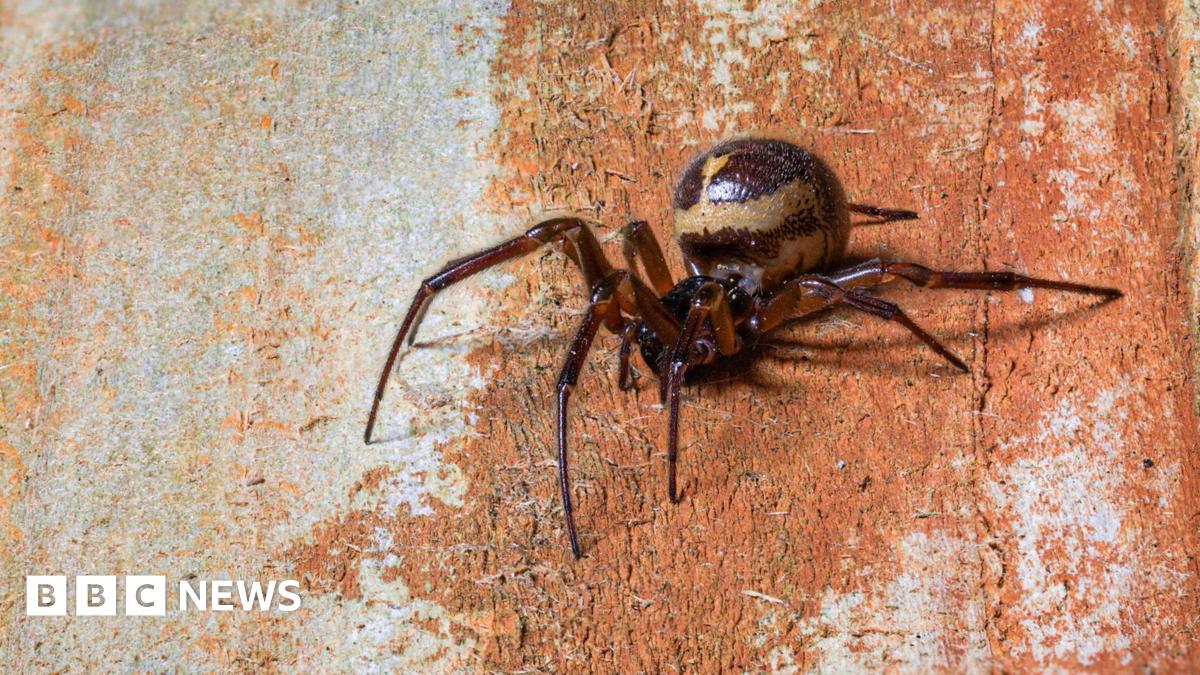
Noble False Widow Spiders: A Growing Concern Across the UK
The noble false widow spider, scientifically known as Steatoda nobilis, has become a subject of increasing public interest and concern across the United Kingdom. Recent news reports indicate a significant rise in its population, sparking discussions about its potential impact on public health and safety. This growing presence has been linked to a notable increase in hospital admissions for spider bites, amplifying public unease.
What Has Happened?
The core of the current trending topic revolves around expert warnings of an "explosion" in the population of noble false widow spiders throughout England. This surge in numbers is not merely anecdotal; it is being reported by various media outlets, citing entomologists and wildlife experts. Coinciding with these population reports, there has been a documented increase in hospital admissions for spider bites in England. News outlets like the BBC, The Independent, and The Times have all covered these developments, drawing a direct connection between the proliferation of the false widow and the rise in bite-related medical incidents.
Why Does This Matter?
The growing presence of the noble false widow matters for several reasons. Firstly, while generally not aggressive, these spiders can deliver a bite that, in some cases, can cause significant pain, swelling, and potentially lead to secondary infections or allergic reactions. The reported increase in hospital admissions, even if a small percentage of overall spider encounters, raises public health concerns and highlights the need for awareness and appropriate response measures. Secondly, the proliferation of a non-native species like the noble false widow can have ecological implications, potentially competing with native species for resources. Finally, the heightened public awareness, fueled by media coverage, can lead to increased anxiety and a desire for practical advice on how to manage encounters with these spiders in homes and public spaces.
Background Context: The Arrival and Spread of the Noble False Widow
The noble false widow is not a new arrival to the UK; it is believed to have been introduced accidentally from its native habitat in the Canary Islands or Madeira sometime in the late 19th century. However, its population has significantly increased and spread across southern England in recent decades. Several factors contribute to this success:
- Adaptability: The species is highly adaptable, capable of thriving in a wide range of environments, including urban areas. They often build their webs in dark, sheltered locations such as sheds, garages, conservatories, and even inside homes.
- Climate: Milder winters and changing climatic conditions may also be playing a role in allowing the species to establish itself more successfully and reproduce more readily.
- Human Activity: The movement of goods and people can also inadvertently contribute to the spread of spiders to new areas.
Unlike some other common house spiders, the noble false widow is a relatively large spider, often mistaken for the potentially more venomous black widow due to its bulbous abdomen and glossy appearance. However, its venom is not considered medically significant to humans in most cases, with severe reactions being rare. The common name "false widow" stems from its resemblance to the true widow spiders.
"While severe reactions are rare, it's important to be aware of these spiders, especially as they become more common. The increase in bites requiring medical attention is a cause for concern, and public education is key." - Expert Commentary (Paraphrased from general expert advice in related news)
What to Expect Next
As autumn progresses, the noble false widow population is expected to become even more noticeable. This is the time of year when these spiders reach maturity, and males begin to seek out females, leading them to wander more frequently, potentially entering homes in search of mates or shelter. This increased activity is likely to lead to more encounters between humans and spiders.
Health authorities and pest control experts are advising the public to remain calm but vigilant. Key recommendations include:
- Identification: Learning to identify the noble false widow to distinguish it from other, less concerning spider species.
- Prevention: Sealing potential entry points into homes, such as cracks in walls and gaps around windows and doors. Regularly clearing webs from around the home can also help.
- Management: If spiders are found indoors, they can often be safely removed by gently capturing them in a container and releasing them outdoors. Avoid direct handling.
- Bites: In the event of a bite, wash the affected area with soap and water. Seek medical attention if severe swelling, pain, or signs of infection develop.
The ongoing trend suggests that the noble false widow will likely remain a topic of discussion and a concern for many households throughout the autumn and winter months. Further monitoring of population trends and bite incidents will be crucial to understanding the long-term impact of this species in the UK.