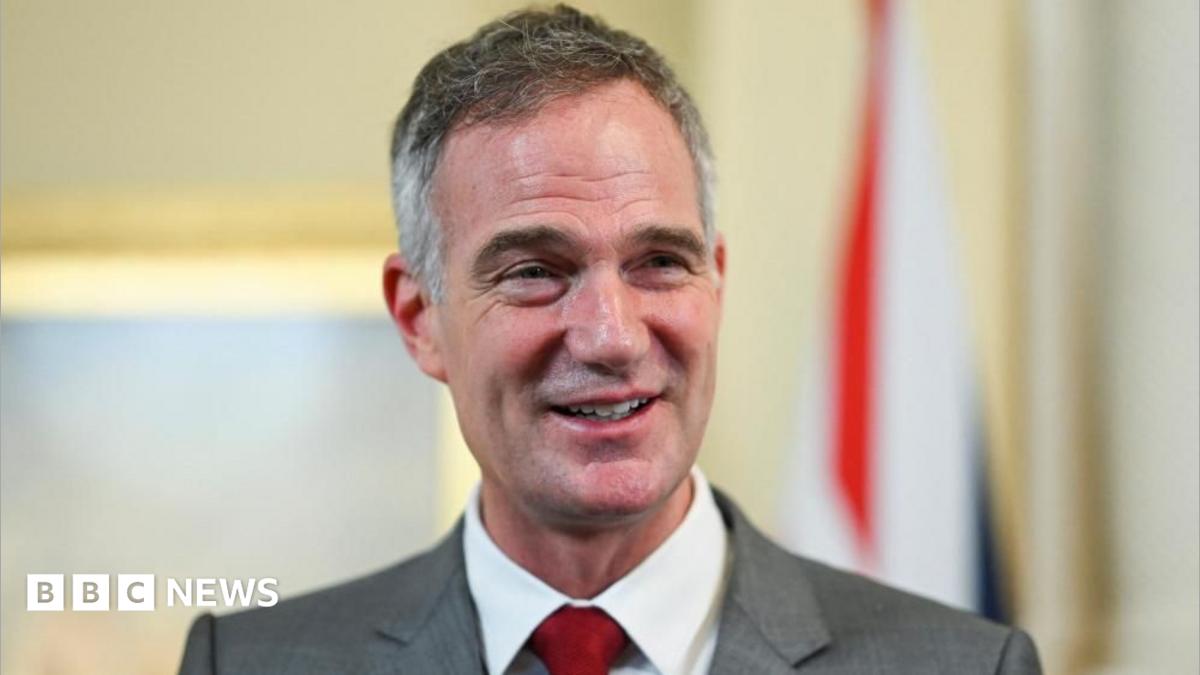
Peter Kyle
Politics200+ searches
Quick Answer
Peter Kyle is trending as the UK Business Secretary, reportedly stating he would have vetoed the foreign sale of a UK tech giant. He also addressed concerns about "1970s-style interventionism" and Labour's plans for skilled worker visas.
Why Is This Trending?
Business Secretary Peter Kyle has become a focal point in recent political discussions, particularly regarding national security and economic policy. Reports suggest he indicated a willingness to block foreign takeovers of critical British technology firms, a stance that resonates with ongoing debates about safeguarding domestic industries. Kyle's comments also touch upon broader economic strategies, emphasizing a departure from historical, heavy-handed government intervention.
Furthermore, the trending topic is amplified by Labour's proposed policies on visa costs for high-skilled foreign workers. This initiative, aimed at addressing current unemployment concerns, places Kyle at the center of discussions about immigration, economic growth, and the balance between domestic job markets and attracting international talent. These combined elements have propelled his name into the public and media spotlight.
UK Business Secretary Peter Kyle in Spotlight Amidst Tech Sale and Economic Policy Debates
Peter Kyle, the UK's Business Secretary, has recently found himself at the forefront of significant economic and national security discussions, driving considerable public and media attention. His pronouncements on potential foreign sales of critical British technology firms and his stance on economic interventionism have positioned him as a key figure in shaping the nation's industrial strategy.
Potential Veto on Foreign Tech Sales
Reports have emerged suggesting that Business Secretary Peter Kyle would have exercised his power to veto the foreign acquisition of a significant UK technology company. This statement, highlighted by the BBC, underscores a growing concern within the government about protecting strategically important domestic industries from overseas buyouts. The implication is that national security and economic sovereignty are paramount, especially in sectors deemed vital for the country's future technological advancement and competitiveness.
The ability to scrutinize and, if necessary, block foreign takeovers of key national assets is a crucial tool in safeguarding our technological future and economic independence.
This stance signals a more robust approach to foreign investment review, potentially signaling a shift in government policy towards greater protectionism for the UK's burgeoning tech sector. Such a move, if enacted, could have far-reaching implications for international investment and the M&A landscape within the United Kingdom.
Addressing Interventionism Concerns
In parallel, Kyle has sought to clarify the Labour party's economic philosophy, differentiating it from past eras. As reported by The Times, he stated, "We’re not going back to 1970s-style interventionism." This assertion is critical in reassuring businesses and markets that the party's economic agenda will be pragmatic and conducive to growth, rather than characterized by heavy-handed state control that could stifle innovation and investment.
The context of the 1970s in the UK is often associated with industrial strife, nationalizations, and significant state intervention in the economy. By distancing the current Labour approach from this period, Kyle aims to project an image of a modern, forward-thinking party that understands the complexities of a globalized economy and seeks to foster a supportive environment for enterprise. This message is crucial for building confidence among investors and business leaders.
Skilled Worker Visas and Unemployment
Adding another layer to the trending narrative, The Telegraph reported on Labour's plans to cover visa costs for high-skilled foreign workers. This policy proposal comes amidst concerns about unemployment levels, presenting a seemingly counter-intuitive approach to some. However, the underlying strategy appears to be that attracting and retaining top global talent is essential for long-term economic prosperity and competitiveness, even during periods of domestic job market challenges.
The rationale behind subsidizing visa costs is likely multifaceted:
- To reduce barriers for companies seeking to hire international specialists.
- To ensure the UK remains an attractive destination for global talent in sectors like technology, science, and research.
- To stimulate innovation and job creation that often follows the influx of skilled professionals.
This policy highlights the delicate balancing act policymakers face: managing domestic employment concerns while simultaneously ensuring the UK's ability to compete on the global stage for crucial skills. Kyle's role in articulating and defending such policies places him directly in the midst of these complex debates.
Why This Matters: Economic Strategy and National Security
The convergence of these issues around Peter Kyle's public statements is significant for several reasons. Firstly, it reflects the ongoing tension between global economic integration and national interests. The potential veto on tech sales speaks to national security concerns, particularly as technology becomes increasingly central to both economic power and defense capabilities.
Secondly, Kyle's comments on interventionism and his party's approach to skilled migration signal Labour's broader economic vision. This vision aims to balance support for British businesses with the need to attract international expertise, a critical component for innovation and growth in the 21st century. The success of these strategies will be closely watched by businesses, investors, and the public alike.
Background Context
The UK has long grappled with the balance between attracting foreign investment and protecting its key industries. High-profile foreign takeovers, particularly in the tech and defense sectors, have frequently sparked debate about national security implications and the potential loss of valuable intellectual property and strategic assets. Governments have, at various times, strengthened or relaxed powers to intervene in such deals.
The rhetoric around "1970s-style interventionism" evokes a period of significant economic upheaval in the UK. Contemporary economic policy, influenced by decades of neoliberalism and globalization, has generally favored free markets and open investment. However, recent geopolitical events and supply chain vulnerabilities have led to a renewed focus on industrial strategy, resilience, and securing critical national infrastructure.
Similarly, the debate around skilled migration is a perennial issue. While immigrants often fill labor shortages and contribute to economic growth, concerns about wage stagnation and job displacement for native workers can lead to calls for tighter controls. Labour's proposed policy on visa costs represents a nuanced approach, attempting to facilitate the entry of highly skilled individuals deemed beneficial to the economy.
What to Expect Next
As Business Secretary, Peter Kyle will likely remain a central figure in these ongoing policy debates. His party's approach to foreign investment, industrial strategy, and skills migration will continue to be scrutinized. Key developments to watch include:
- Specific instances where the government might intervene in foreign takeover bids.
- Further elaboration on Labour's economic policies and how they intend to foster business growth and innovation.
- The implementation details and impact of the proposed changes to visa costs for skilled workers.
The discourse surrounding Peter Kyle highlights the complex challenges facing the UK economy: fostering innovation, ensuring national security, and managing the labor market effectively in an interconnected world. His public statements provide insight into the government's thinking on these critical issues.
Related News
Frequently Asked Questions
Why is Peter Kyle trending?
Peter Kyle is trending due to recent reports about his stance on foreign takeovers of UK tech firms and his comments on economic interventionism. He is also linked to Labour's policy on covering visa costs for high-skilled foreign workers.
What did Peter Kyle say about foreign tech sales?
Reports indicate that Peter Kyle, as the UK Business Secretary, stated he would have vetoed the foreign sale of a significant UK technology company. This suggests a more protective approach towards critical domestic industries.
What is Peter Kyle's view on economic interventionism?
Peter Kyle has emphasized that the Labour party is not planning to revert to '1970s-style interventionism.' He aims to project an image of a modern economic policy that supports business growth rather than imposing excessive state control.
How does Peter Kyle's role relate to skilled worker visas?
Peter Kyle is associated with Labour's proposal to cover visa costs for high-skilled foreign workers. This policy aims to attract global talent to the UK, even amidst concerns about domestic unemployment, balancing economic growth with labor market considerations.