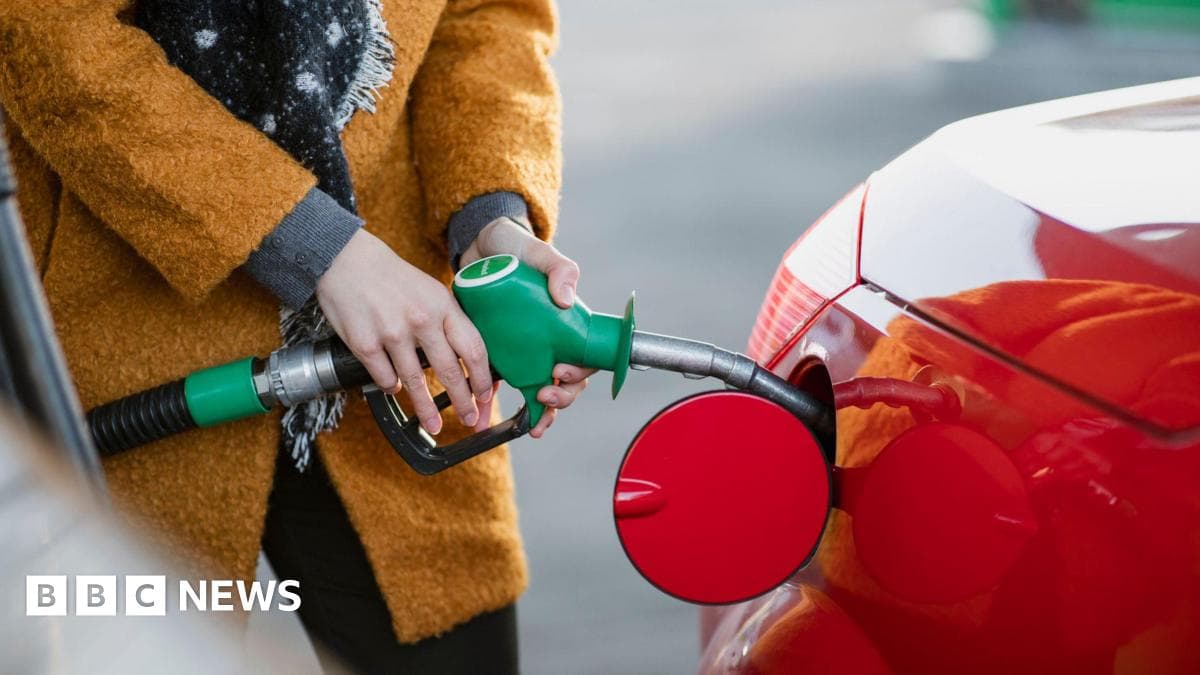
Petrol
Business100+ searches
Quick Answer
Petrol prices are trending as they have surpassed 150p per litre, prompting concerns about profiteering and potential temporary shortages at fuel stations. Major retailers like Asda are addressing these issues amid geopolitical tensions.
Why Is This Trending?
The price of petrol has become a dominant talking point, with the cost at the pumps now exceeding 150p per litre. This significant price hike has triggered widespread discussion and concern among consumers, leading to accusations of profiteering against major retailers. News reports highlight that supermarket giant Asda is facing these claims directly, with its boss rejecting them, while simultaneously warning of potential temporary fuel shortages at some of its locations. These shortages are reportedly linked to broader geopolitical events, specifically the ongoing war in Iran, which can impact global oil supply chains and, consequently, domestic fuel prices.
Petrol Prices Surge Past 150p, Fueling Concerns Over Profit and Supply
The cost of petrol has become a major headline across the UK, with prices consistently topping 150p per litre. This unwelcome milestone has ignited public debate, placing pressure on fuel retailers and raising questions about the fairness of current pricing strategies. Retailers, like supermarket giant Asda, find themselves at the centre of this storm, facing accusations of profiteering while simultaneously grappling with potential disruptions to fuel supply.
What's Driving the Price Hike?
Several factors are contributing to the elevated cost of petrol. The most immediate cause highlighted in recent news is the escalating geopolitical tensions, specifically the ongoing war in Iran. Conflicts in major oil-producing regions can significantly disrupt global supply chains. When the supply of crude oil is threatened or reduced, prices naturally increase. This global instability directly impacts the wholesale cost of fuel that retailers then pass on to consumers.
Furthermore, broader economic factors, such as inflation and currency exchange rates, also play a role. The UK's reliance on imported fuel means that fluctuations in the value of the pound against the dollar (in which oil is traded) can also lead to higher prices at the pump. While global events often dominate the headlines, these underlying economic conditions create a foundation for price volatility.
The Specter of Shortages
Adding to the consumer anxiety, reports have emerged of potential temporary shortages at some petrol stations. Asda, a prominent fuel retailer, has publicly warned of these 'temporary shortages' at certain locations. While the exact causes of these localized disruptions can be complex, they are often exacerbated by factors such as increased demand during periods of price uncertainty, logistical challenges, and the aforementioned global supply chain issues. When drivers anticipate further price rises or potential shortages, they may fill up their tanks more frequently, creating a surge in demand that can temporarily deplete stocks.
The confluence of rising prices and the threat of empty pumps creates a perfect storm of consumer worry and frustration.
Addressing Profiteering Claims
In response to the public outcry and concerns about inflated prices, Asda's boss has publicly rejected claims of profiteering. Retailers often argue that their pricing is dictated by wholesale costs, operational expenses, and competitive market pressures. They contend that when crude oil prices rise, their own costs increase, and this is reflected at the pump. The margin on fuel is often cited as being relatively slim, and significant profit is not typically derived from fuel sales alone for supermarkets.
However, in times of significant price increases and public hardship, scrutiny of profit margins intensifies. Consumers are keen to understand if retailers are taking advantage of the situation to boost their profits beyond what is justified by increased costs. Transparent reporting on fuel costs and profit margins is often called for during such periods.
Background Context: A Volatile Market
The current situation is not an isolated incident but rather a continuation of a trend of volatility in the energy market. For years, the price of oil and, consequently, petrol, has been subject to fluctuations driven by geopolitical events, global economic growth, the actions of oil-producing nations (like OPEC+), and the ongoing transition to cleaner energy sources. Events like the war in Ukraine and the current tensions in the Middle East have consistently demonstrated the fragility of global energy security. These factors create an environment where rapid price changes are not uncommon, and consumers often bear the brunt of these shifts.
What to Expect Next
The outlook for petrol prices remains uncertain and is heavily dependent on the evolving geopolitical landscape and global oil supply. If tensions in the Middle East de-escalate, it could lead to a stabilization or even a reduction in crude oil prices, which would eventually filter down to the pump. Conversely, any further escalation or new disruptions could see prices continue to climb.
Consumers are likely to remain vigilant, closely monitoring price boards and news updates. Retailers will continue to face scrutiny over their pricing strategies and supply chain management. Governments may also face pressure to intervene, perhaps through fuel duty adjustments or investigations into market practices, though such interventions often have their own complex economic implications.
In the short term, drivers may need to adjust their spending habits and consider fuel-efficient driving practices to mitigate the impact of higher fuel costs. The possibility of temporary localized shortages also means that planning fuel stops might become more important for some.
Key takeaways:
- Petrol prices have exceeded 150p per litre, causing public concern.
- Geopolitical events, particularly in the Middle East, are a significant driver of price increases.
- Retailers like Asda are addressing both profiteering claims and warnings of temporary shortages.
- The energy market remains inherently volatile due to a combination of global and economic factors.
Related News
Frequently Asked Questions
Why is petrol trending today?
Petrol is trending today because prices have surpassed 150p per litre, sparking public concern. This surge is linked to geopolitical events and potential supply issues, with major retailers facing scrutiny.
What happened with petrol prices?
Petrol prices have risen significantly, exceeding the 150p per litre mark. This increase is attributed to global factors, including geopolitical tensions in Iran, which impact oil supply and consequently fuel costs.
Are there petrol shortages happening?
There are warnings of 'temporary shortages' at some petrol pumps, with retailers like Asda highlighting this possibility. These shortages can be influenced by increased demand, logistical challenges, and global supply chain disruptions.
Why are petrol prices so high right now?
Current high petrol prices are driven by a combination of factors, primarily the war in Iran affecting global oil supply. Inflation, currency fluctuations, and general market volatility also contribute to the increased cost of fuel.
Are petrol companies profiteering?
Retailers like Asda are facing accusations of profiteering due to high petrol prices. However, the company boss has rejected these claims, stating that pricing is determined by wholesale costs and market conditions, not excessive profit-taking.