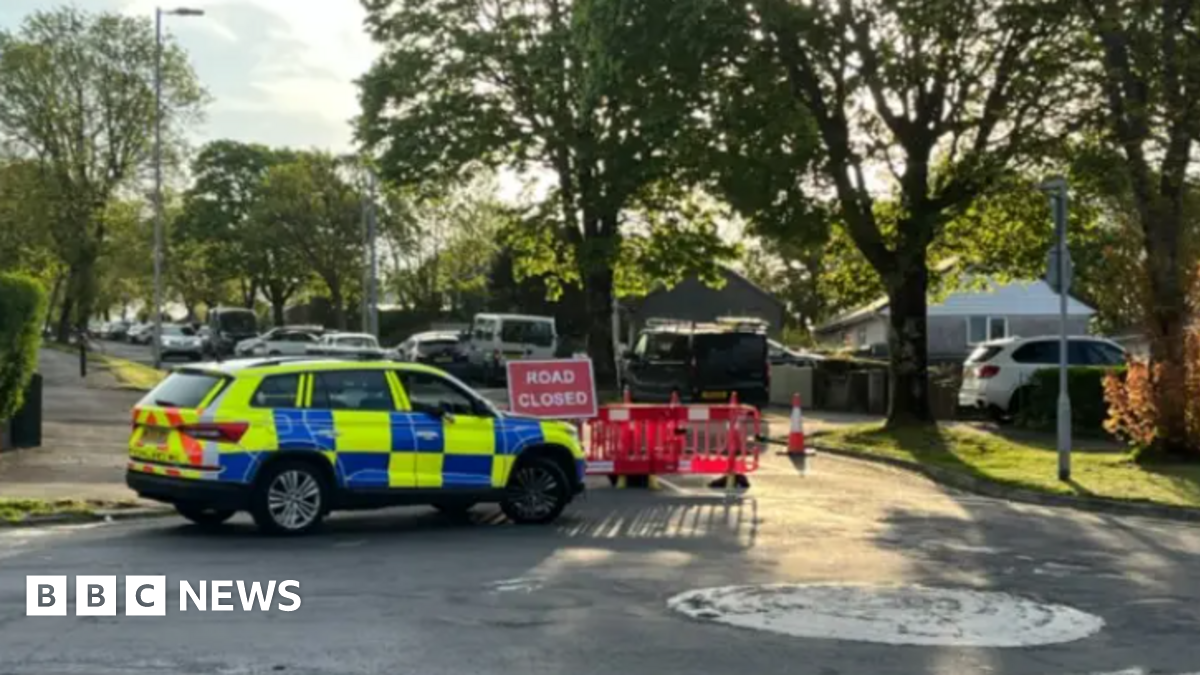
WWII Device Discovery Prompts Evacuations in Plymouth
Unexploded Ordnance Found, Triggering Major Safety Operation
Plymouth, a historic naval city in Devon, England, has become the center of a significant emergency response following the discovery of a suspected World War II unexploded ordnance (UXO). The find, believed to be a bomb dating back to the intense bombing raids of the war, has necessitated the evacuation of hundreds of homes and the closure of local schools. Bomb disposal teams are currently on the ground, working under challenging conditions to safely assess and neutralize the device, a process that underscores the persistent risks posed by historical military remnants.
What Happened?
The alert was raised after the discovery of the suspected World War II device, which prompted an immediate response from emergency services. Authorities established a cordon, initially asking residents within a 200-meter radius to evacuate, later extending this to 400 meters. The area affected includes residential properties and educational institutions, leading to significant disruption for thousands of people. Families have been displaced, and local schools have closed their doors, with students and staff being sent home as a precautionary measure. Bomb disposal experts from the Royal Navy are leading the operation to make the ordnance safe, a complex and potentially dangerous task.
Why This Matters: The Enduring Threat of UXO
The incident in Plymouth serves as a stark reminder of the latent dangers that lie beneath the surface in areas heavily affected by World War II. Unexploded bombs, artillery shells, and other ordnance can remain volatile for decades, posing a severe risk if disturbed. The discovery highlights the ongoing need for vigilance and specialized expertise in dealing with such historical hazards. Each incident requires a coordinated effort between military EOD (Explosive Ordnance Disposal) units, police, and local authorities to ensure public safety, often involving extensive evacuations and disruption to daily life. The cost and logistical challenges of these operations are substantial, emphasizing the long-term impact of wartime actions on contemporary communities.
Background Context: Plymouth's Wartime Experience
Plymouth, as a major port and shipbuilding center, was a significant target for German Luftwaffe bombing raids during World War II. Known as 'The Blitz,' these attacks caused widespread destruction and loss of life in the city between 1940 and 1944. The sheer volume of bombs dropped meant that many did not detonate, remaining buried in the soil for over 80 years. Discoveries of UXO are not uncommon in the UK, particularly in cities that experienced heavy bombing. These finds often occur during construction projects, agricultural work, or even routine gardening, necessitating emergency responses similar to the one currently unfolding in Plymouth.
What to Expect Next
The immediate priority is the safe disposal or rendering inert of the discovered ordnance. This process can be lengthy and depends on the type and condition of the device. Residents within the affected evacuation zone will remain displaced until authorities declare the area safe. Updates on the operation will be provided by local emergency services and the Ministry of Defence. Once the device is neutralized, authorities will lift the cordon, and residents will be able to return to their homes. The long-term implications may include reviews of safety protocols for construction in known UXO-affected areas and continued awareness campaigns about the risks associated with historical ordnance.
"The discovery of any unexploded ordnance requires careful handling by highly trained professionals. Public safety is our utmost priority, and we are working closely with the bomb disposal experts to resolve this situation as quickly and safely as possible."
- A representative from the Devon and Cornwall Police statement.
Key Takeaways:
- A suspected WWII bomb has been found in Plymouth, leading to evacuations.
- Bomb disposal teams are working to make the device safe.
- The incident highlights the ongoing risks of unexploded ordnance from the war.
- Plymouth experienced significant bombing during WWII, making UXO discoveries possible.
- Residents are advised to follow official instructions and stay away from the cordon area.