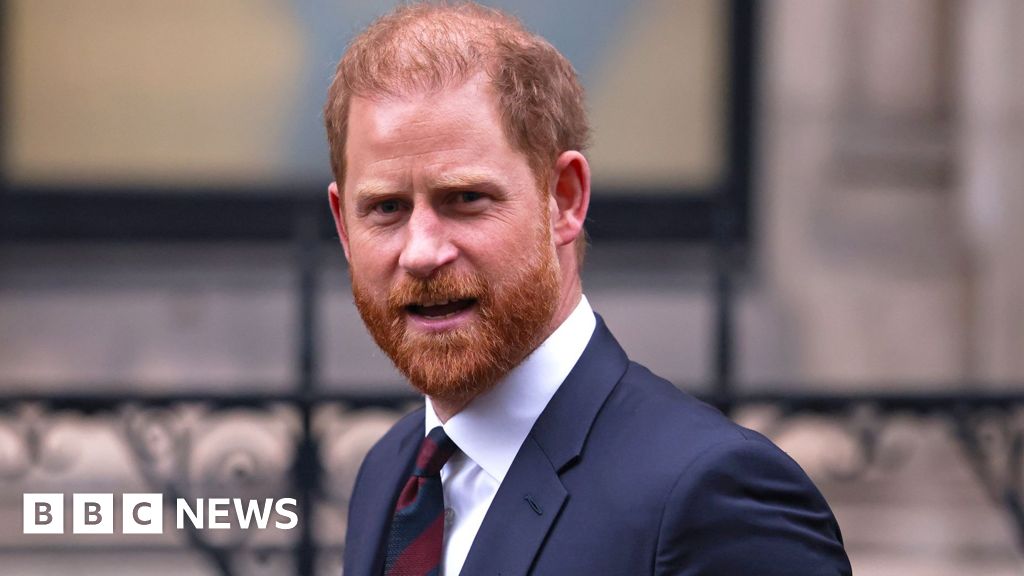
Prince Harry's Legal Battle Against Daily Mail Publisher Intensifies as Verdict Nears
Prince Harry has been making headlines not just for his public engagements but also for his ongoing high-stakes legal confrontation with Associated Newspapers Limited (ANL), the publisher of the Daily Mail and Mail on Sunday. As a verdict in his privacy lawsuit against the media giant is anticipated, the case has resurfaced as a trending topic, drawing significant public and media interest. The Duke of Sussex alleges that ANL engaged in unlawful information-gathering practices, including phone hacking, for decades, impacting his life and the lives of those close to him.
What Happened: Allegations of Unlawful Information Gathering
The core of Prince Harry's lawsuit against Associated Newspapers Limited revolves around accusations of systemic unlawful information gathering. His legal team has presented evidence suggesting that the publisher employed methods such as phone hacking, utilizing private investigators to obtain confidential information through deception, and intercepting voicemails. These alleged activities are said to have occurred over many years, leading to numerous intrusive articles published in the Daily Mail and Mail on Sunday. The Duke contends that this persistent invasion of privacy caused him significant distress and damaged his personal and professional relationships.
Associated Newspapers Limited has consistently denied these allegations, arguing that the claims are speculative and that there is no credible evidence of unlawful information gathering on the scale alleged. They maintain that the stories published were based on lawfully obtained information and that the Duke's pursuit of these lawsuits is an attempt to control media coverage and garner sympathy. The legal proceedings have been complex, involving extensive legal arguments and the examination of internal documents from the publisher.
Why It Matters: Privacy, Media Ethics, and Royal Relationships
This lawsuit is significant for several reasons. Firstly, it highlights the ongoing tension between the public's right to know and an individual's right to privacy, particularly for high-profile figures like Prince Harry. The case raises critical questions about the ethical boundaries of journalism and the accountability of media organizations. The outcome could have far-reaching implications for how newspapers operate and how privacy rights are protected in the UK.
Secondly, Prince Harry's decision to pursue legal action against a prominent publisher is part of a broader pattern of challenging what he and his wife, Meghan Markle, have described as relentless and often harmful media intrusion. This battle has undeniably contributed to the strained relationship between the royal family and large sections of the British press. The Duke has often spoken about the damaging effect of media scrutiny on his mental health and his family's well-being.
Background Context: A History of Legal Battles
Prince Harry is not alone in his legal fight against the UK's tabloid press. He, along with other prominent individuals such as actors and politicians, has been involved in numerous lawsuits against major newspaper groups, including Associated Newspapers Limited, News Group Newspapers (publisher of The Sun), and Mirror Group Newspapers. These legal challenges often center on allegations of phone hacking during the early 2000s and later accusations of phone tapping, bugging, and other invasive methods.
The Duke of Sussex has stated that he is pursuing these legal actions not for financial gain but to hold those responsible for unlawful and intrusive reporting to account and to protect his family's privacy.
The phone hacking scandal, which first came to light in the early 2000s, led to the closure of the News of the World and significant reforms within the media industry. However, Prince Harry and others argue that the culture of intrusive journalism persists. His specific lawsuit against ANL, filed in the High Court, seeks damages for breaches of privacy and copyright infringement, accusing the publisher of consistently misrepresenting its sources and methods.
What to Expect Next: The Verdict and Potential Ramifications
The impending verdict from the High Court judge will determine whether Prince Harry's claims of unlawful information gathering against Associated Newspapers Limited are proven. If the ruling is in favor of Prince Harry, it could result in substantial damages and potentially force ANL to change its editorial practices further. It could also embolden other individuals to pursue similar legal challenges.
Conversely, if the judge rules in favor of Associated Newspapers, it would be a significant victory for the publisher and could make it more challenging for other claimants to succeed in their privacy actions against the company. Regardless of the specific outcome, the case is likely to continue the public discourse on press regulation, privacy rights, and the complex relationship between public figures and the media. It underscores the high personal and financial cost involved in these protracted legal disputes.
- Key Allegations: Phone hacking, deception, and misuse of private information by ANL.
- Publisher's Defense: Denial of unlawful practices, claims of lawful information gathering.
- Broader Context: Part of a wider legal campaign by Prince Harry against tabloid publishers.
- Significance: Impacts privacy law, media ethics, and press accountability.
- Next Steps: Awaiting the High Court's verdict and its potential consequences.