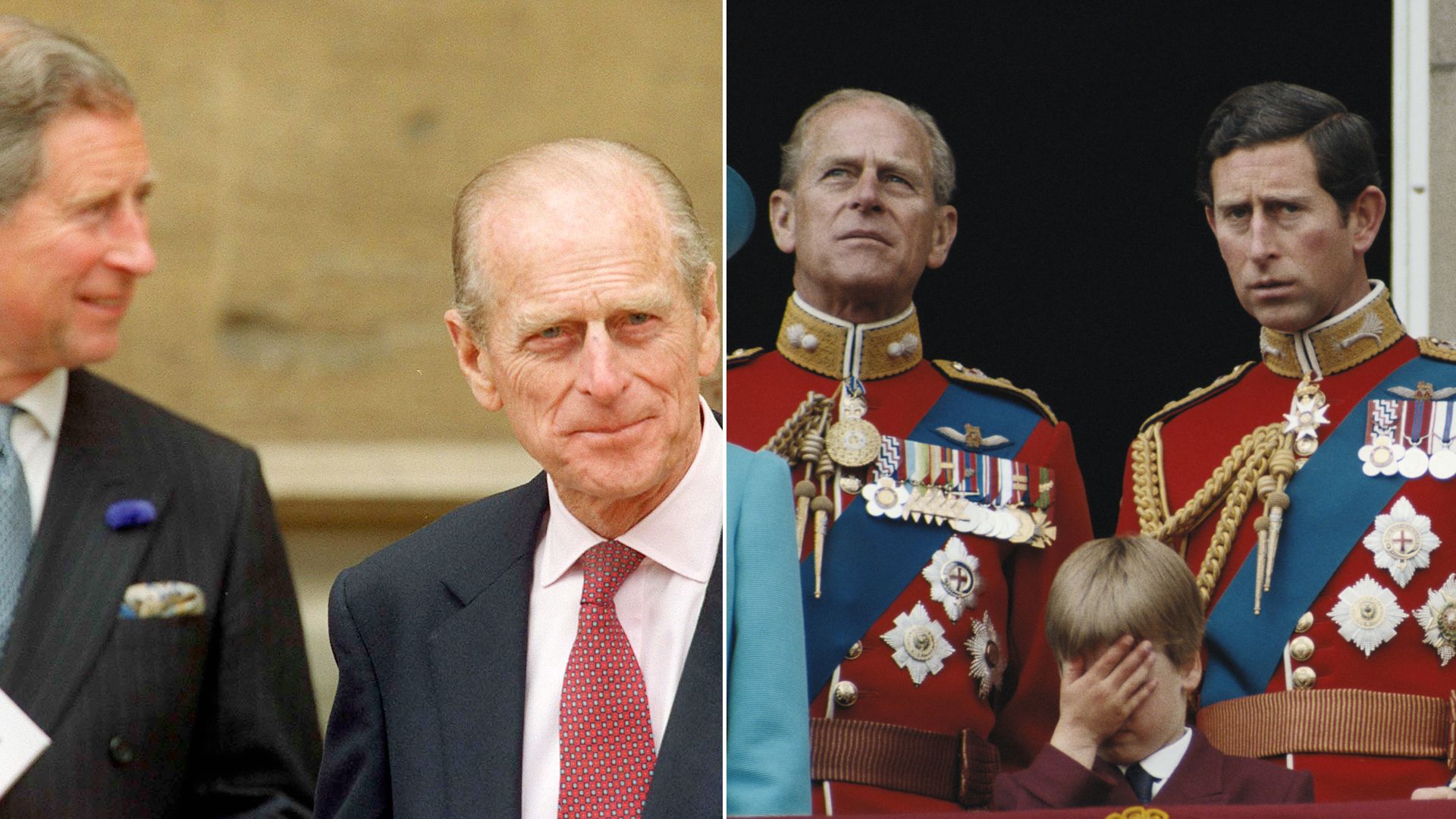
Prince Philip
General200+ searches
Quick Answer
Prince Philip is trending due to recently resurfaced anecdotes highlighting his famously blunt and often harsh interactions with family and staff. Royal authors and former employees have shared stories illustrating his formidable personality and the emotional impact it had.
Why Is This Trending?
Recent revelations from royal biographers and former palace staff are bringing Prince Philip back into the spotlight, not for current events, but for the enduring impact of his notoriously sharp tongue. New details have emerged about his interactions, including a story where he reportedly told his son, King Charles, that he looked like a "bloody Christmas tree" due to his military regalia. Another account from a former royal butler suggests Prince Philip's stern demeanor could reduce grown men to tears. These anecdotes are circulating widely, sparking discussion and renewed interest in the Duke of Edinburgh's unique character and his complex relationships within the royal family.
Prince Philip's Storied Wit: Resurfaced Anecdotes Spark Renewed Interest
Prince Philip, the late Duke of Edinburgh, continues to capture public attention long after his passing, with recent resurfaced anecdotes offering a vivid glimpse into his famously blunt and often formidable personality. New accounts from royal authors and former palace staff are circulating, detailing interactions that underscore his direct communication style and the significant impact it had on those around him, including close family members.
What Happened: Tales of a Sharp Tongue
The current wave of interest stems from recently published stories and interviews that highlight Prince Philip's no-nonsense approach to life and his often unfiltered remarks. One prominent anecdote, recounted by royal author Tom Bower and widely reported, involves Prince Philip's reaction to his son, then Prince Charles, wearing a particularly elaborate uniform. Philip allegedly exclaimed, "You look like a bloody Christmas tree," a remark that exemplifies his characteristic bluntness and dry wit, even when addressing his heir.
Beyond familial interactions, accounts from those who served the royal family have also emerged. A former royal butler reportedly shared with Yahoo News that Prince Philip's stern presence and sharp critiques could be so intense that "grown men" would leave his study "in tears." These stories, while potentially shocking to some, paint a consistent picture of a man who valued efficiency, directness, and perhaps a particular form of tough love.
Why It Matters: The Enduring Legacy of a Unique Royal
These resurfaced stories matter because they contribute to a more nuanced understanding of Prince Philip's legacy. Often perceived as a stoic and dutiful consort, these anecdotes reveal a more complex and perhaps more human side to the Duke of Edinburgh. They highlight the challenges of navigating life within the rigid structures of the monarchy, even for its most senior members, and offer insight into the dynamics between Philip, Queen Elizabeth II, and their children.
"His style was one of directness, and he expected the same from others. There was no room for pretense or excessive sentimentality in his view."
— Royal Insider
The popularity of these stories also speaks to the enduring public fascination with the British Royal Family. Despite the passage of time, details about the personal lives and interactions of its members, particularly those as prominent as Prince Philip and King Charles, continue to draw significant attention. These narratives provide a more intimate, albeit sometimes uncomfortable, look behind the gilded facade of royalty, humanizing figures often seen as distant.
Background Context: Prince Philip's Role and Personality
Prince Philip served as consort to Queen Elizabeth II for over 69 years, a record-breaking tenure. Throughout his public life, he was known for his strong will, a keen interest in environmental conservation, and a sometimes controversial, outspoken nature. He was a patron of numerous organizations and undertook thousands of royal engagements.
His military background, having served in the Royal Navy during World War II, undoubtedly shaped his disciplined and direct approach. This upbringing and his experiences likely contributed to the no-nonsense attitude that many former staff and family members have described. While often seen as the more formidable parent compared to the Queen's more measured demeanor, his role was crucial in supporting the Queen and shaping the modern monarchy.
The anecdotes circulating now are not entirely new; many have been alluded to in various biographies and documentaries over the years. However, their recent prominence suggests a renewed public appetite for understanding the personal dynamics within the royal family and the character of one of its most iconic figures.
What to Expect Next: Continued Discussion and Analysis
It is likely that these stories will continue to fuel discussions about Prince Philip's character and his impact on the royal family for some time. As new books are published or interviews resurface, public interest in the personal lives of royals often ebbs and flows.
Furthermore, these anecdotes provide fertile ground for analysis concerning parenting styles within the monarchy, the pressures of royal duty, and the evolution of communication within the family. The contrast between Philip's direct style and the more contemporary approaches to public relations and personal interaction may also be a point of discussion.
Ultimately, the enduring trend around stories of Prince Philip's sharp wit and formidable presence highlights a public desire to understand the human element behind the royal titles. It suggests that even in the context of royalty, relatable (if sometimes startling) human interactions hold a powerful sway over public imagination.
Related News
Why Prince Philip Shouted "You Look Like a Bloody Christmas Tree" at King Charles, Per Royal Author
Marie ClairePrince Philip Caused "Grown Men" to "Leave His Study in Tears," According to One Former Royal Butler
YahooWhy Prince Philip Shouted "You Look Like a Bloody Christmas Tree" at King Charles, Per Royal Author
YahooFrequently Asked Questions
Why is Prince Philip trending now?
Prince Philip is trending because of recently resurfaced anecdotes shared by royal authors and former staff. These stories highlight his famously blunt personality and direct interactions with family members and employees.
What specific stories are being shared about Prince Philip?
Recent reports focus on instances like Prince Philip telling King Charles he looked like a "bloody Christmas tree" in a uniform. Another story claims his stern demeanor once caused grown men to leave his study in tears.
What does this say about Prince Philip's personality?
These anecdotes portray Prince Philip as a man with a very direct, no-nonsense communication style. They suggest a formidable presence and a unique, perhaps tough, way of interacting with those close to him.
How did Prince Philip's interactions affect others?
According to former staff, his interactions could be intensely impactful, with some accounts suggesting his sternness led to emotional distress. Within the family, his directness, as seen in the 'Christmas tree' comment, illustrates a less formal, more candid side.