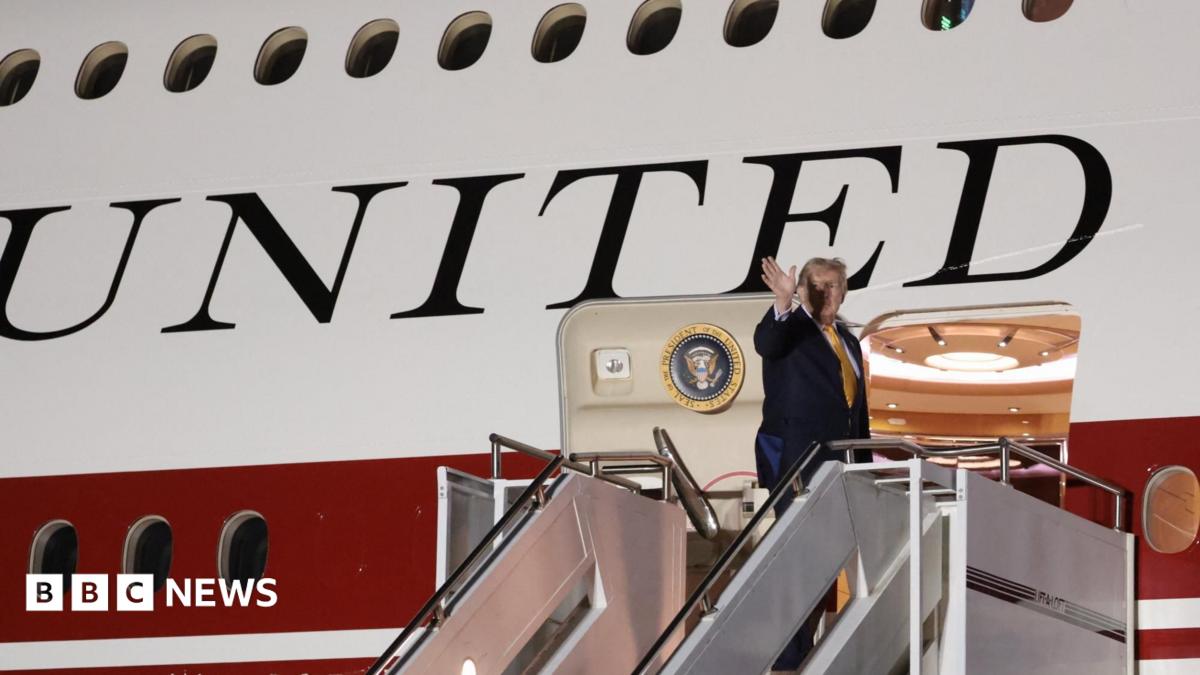
Presidential Visit to RAF Mildenhall Sparks Air Force One Debate
The skies over RAF Mildenhall, a strategically important United States Air Force base in Suffolk, England, have become the focal point of intense media scrutiny following a recent presidential visit. While the presence of any head of state at a military installation is noteworthy, this particular visit trended due to a highly publicised and somewhat unusual decision regarding the presidential aircraft. Instead of utilising a newly acquired, leased Qatari plane, the President made a significant switch back to the long-serving and familiar Air Force One for his journey to the UK.
The Aircraft Switch: What Happened?
Reports from major news outlets, including the BBC, Forbes, and The Guardian, detailed a last-minute change in the presidential transport for the visit to the UK. The initial plan appeared to involve the use of a newer, leased aircraft, reportedly from Qatar. However, for reasons not fully elaborated upon by official sources but widely speculated upon by commentators, the President ultimately decided to fly on the older, but iconic, Air Force One. This decision marked a departure from the anticipated travel arrangements and quickly became a central talking point.
Why the Fuss Over an Airplane?
The significance of this aircraft switch lies in several layers. Firstly, Air Force One is not just a plane; it is a symbol of the American presidency, instantly recognizable worldwide. The decision to use the older aircraft over a newer, potentially more advanced or comfortable, leased option sparked widespread debate. Analysts and commentators weighed in on potential reasons, ranging from comfort and familiarity to mechanical reliability concerns with the newer leased plane, or even symbolic messaging. The sheer visibility and global reach of presidential travel mean that even seemingly minor logistical choices are subject to intense public and media examination.
Background Context: Presidential Travel and Air Force One
The presidential aircraft, officially designated as Air Force One when the President is aboard any U.S. Air Force plane, has a long history. The current primary aircraft, a Boeing 747-200B series, has served U.S. presidents since the Reagan administration. It is a highly sophisticated flying command centre, equipped with advanced communication systems, defensive countermeasures, and the capacity for in-flight refueling. However, its age has led to the development and eventual delivery of new, state-of-the-art replacements, also Boeing 747-8 variants.
The decision to revert to the older Air Force One over a newer leased option raises questions about presidential preference, aircraft readiness, and the symbolism attached to the iconic presidential plane.
The introduction of new aircraft is a complex and lengthy process, involving significant investment and customization. The fact that a presidential flight might involve leased aircraft, especially newer ones, suggests a potential need to supplement the existing fleet or explore different logistical options. The Qatari deal, as reported, might have been an attempt to utilize new assets or perhaps a test run for future arrangements. However, the swift return to the familiar Air Force One suggests that the established aircraft remains the preferred, or perhaps most reliable, choice for such high-stakes travel.
What to Expect Next
Following this highly publicised visit and aircraft decision, several outcomes are possible. The media will likely continue to probe the exact reasons behind the switch, seeking clarity from official channels or analyzing further flight data. It may also prompt a broader discussion about the future of presidential air transport, the procurement process for new aircraft, and the balance between utilizing established, iconic assets and exploring newer, potentially more cost-effective or technologically advanced options. The operational status and future deployment of both the current Air Force One and any leased alternatives will be subjects of ongoing interest.
The visit to RAF Mildenhall, while a routine diplomatic and military engagement, has been overshadowed by the dramatic airplane saga. This incident underscores how presidential travel is not merely about transportation but is also a stage for political signaling, logistical prowess, and symbolic representation. The enduring image of the familiar Air Force One at RAF Mildenhall will likely be remembered as a talking point long after the specifics of the visit have faded.