Reform in the Political Spotlight: Policies, Pacts, and Public Perception
What Happened: Tory Criticism and Pact Rejection
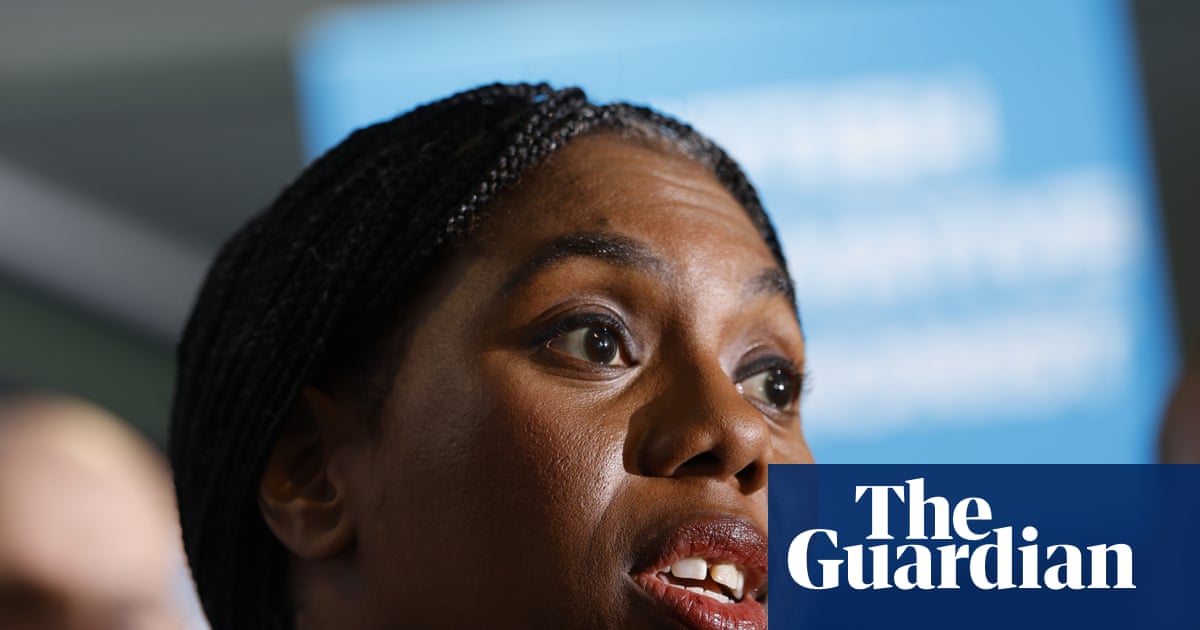
The political landscape is buzzing with discussions surrounding the party formerly known as the Brexit Party, now operating as Reform UK. Recent commentary, particularly from Conservative figures, has thrust Reform into the national spotlight. Business and Trade Secretary Kemi Badenoch recently launched a strong critique of Reform UK, labeling their policy proposals as "unfunded commitments and gimmicks." This public statement was made in the context of ruling out any possibility of a formal electoral pact between the Conservative Party and Reform UK. The timing of Badenoch's comments, following the Makerfield by-election, suggests a strategic move by the Conservatives to distance themselves from Reform while simultaneously addressing the perceived threat they pose to the Tory vote share.
Why It Matters: Shifting Political Dynamics and Electoral Strategy
The increased attention on Reform UK is significant for several reasons. Firstly, it highlights the party's growing influence and its potential to disrupt the traditional two-party system in the UK. With general election speculation mounting, the major parties are keenly aware of any force that could siphon off votes. Reform UK, with its focus on issues like immigration, taxation, and national sovereignty, appeals to a segment of the electorate that may feel unrepresented by mainstream parties. Badenoch's robust rejection of a pact, while seemingly decisive, also signals the Conservatives' acknowledgement of Reform's electoral relevance. The narrative that "two-party politics is back," as suggested by some commentators, is directly challenged by Reform's persistent presence and appeal. Their ability to attract attention, even through criticism, suggests they are a factor that cannot be ignored in the upcoming electoral calculus.
Background Context: From Brexit Party to Reform UK
Reform UK has evolved significantly since its inception as the Brexit Party. Founded by Nigel Farage, the party's primary objective was to deliver Brexit. Upon achieving this goal, it rebranded and broadened its policy platform to address a wider range of issues, including economic policy, public services, and immigration. The party has consistently advocated for lower taxes, reduced government spending, and stricter immigration controls. While it has not yet secured significant parliamentary representation, its presence in by-elections and local contests has often put pressure on established parties, particularly the Conservatives, by drawing votes from their traditional support base. The mention of a "£5m gift" in one of the reports suggests scrutiny over the party's funding, a common area of examination for any political entity seeking to challenge the status quo.
Reform's Policy Platform and Electoral Appeal
At its core, Reform UK positions itself as an anti-establishment party offering common-sense solutions. Key policy areas often include:
- Taxation: Advocating for lower taxes on income and businesses to stimulate economic growth.
- Immigration: Pushing for significantly reduced levels of net migration and stronger border controls.
- Government Spending: Proposing cuts to public sector expenditure and a smaller state apparatus.
- Energy Policy: Often favouring a more pragmatic approach to energy security, potentially including support for domestic fossil fuel production alongside renewables.
The party's messaging resonates with voters who may feel that their concerns about national identity, economic stability, and public services are not being adequately addressed by the current political leadership. The criticism from figures like Badenoch, while intended to discredit Reform, inadvertently amplifies their message by bringing their policies into public discourse.
The Debate Over Pacts and Unfunded Commitments
The rejection of an electoral pact by the Conservatives is a strategic decision. A formal pact could legitimize Reform UK in the eyes of some voters but would also alienate moderate Conservatives and potentially open the door to intense scrutiny of the Tories' own policies and alliances. Conversely, ignoring Reform could allow them to grow unchecked and continue to act as a spoiler in key constituencies. Badenoch's description of Reform's pledges as "unfunded commitments and gimmicks" points to a common line of attack against smaller, insurgent parties that promise significant change without detailing the economic ramifications. The party's response to such criticisms will be crucial in shaping public perception and demonstrating its viability as a serious political force.
"The Conservatives are clearly feeling the heat from Reform UK, evidenced by their strong public statements and clear rejection of any pact. This battle for votes on the right of the political spectrum is likely to intensify as we approach the next general election."
- Political Analyst Observation
What to Expect Next: Continued Scrutiny and Electoral Pressure
Looking ahead, Reform UK is likely to remain a topic of significant political discussion. The party will continue to present its platform and challenge the policies of the major parties. Expect further debate over the funding and feasibility of their proposals. The Conservative Party will likely maintain its strategy of distancing itself from Reform while trying to win back any voters who have been attracted to the upstart party. For the public, the ongoing discourse surrounding Reform UK offers a glimpse into the evolving dynamics of British politics and the potential for new political alignments and challenges to the established order.
The coming months will be critical for Reform UK as they seek to solidify their support base and translate their media attention into tangible electoral gains. Their ability to withstand the criticisms leveled against them and effectively communicate their vision will be key to their future success and their impact on the UK's political future.