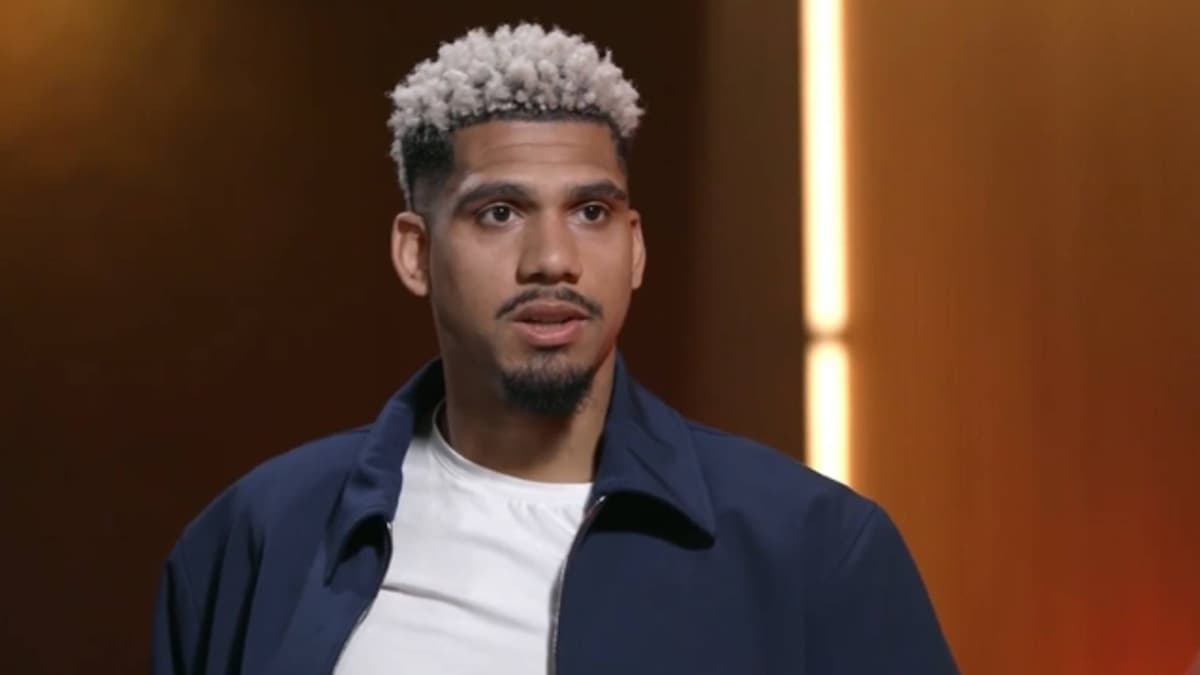
Ronald Araújo
Sports100+ searches
Quick Answer
Ronald Araújo is trending as the Barcelona defender bravely opens up about his past struggles with mental health, revealing a period where he sought professional help to address personal difficulties. His candid admission, shared in recent interviews, highlights the importance of mental well-being for athletes.
Why Is This Trending?
FC Barcelona star Ronald Araújo has become a focal point of discussion across sports media due to his recent, deeply personal revelations about his mental health. In interviews with outlets like MARCA and Mundo Deportivo, the Uruguayan defender disclosed a challenging period in his life where he acknowledged needing professional assistance to cope with internal struggles.
These disclosures, particularly his appearance on 'Universo Valdano', have resonated widely, shedding light on the immense pressure athletes often face beyond the pitch. Araújo's willingness to speak openly about recognizing a problem and actively seeking help marks a significant moment, encouraging conversations about mental health awareness within the demanding world of professional football.
Ronald Araújo: A Defender's Strength Beyond the Pitch
FC Barcelona's formidable defender, Ronald Araújo, is currently a trending topic not for a spectacular on-field performance, but for a display of courage far more profound. The Uruguayan international has recently opened up about a period in his life where he faced significant mental health challenges, bravely admitting that he "needed help" and sought professional assistance. These candid revelations, shared in interviews with prominent sports publications, have ignited conversations about the pressures faced by elite athletes and the vital importance of mental well-being.
What Happened: A Moment of Vulnerability
The core of the trending topic revolves around Araújo's recent interviews where he detailed a specific time when he recognized he was not feeling right. Speaking to MARCA, he recounted a pivotal moment: "I spoke with my wife and told her: 'It's evident that something is happening to me, I need help.'" This admission signifies a crucial step in acknowledging personal struggles and seeking external support.
In a separate interview with Tribuna.com, he further elaborated on the difficulty of this realization, stating, "It was hard for me to admit that I needed to seek professional help." The defender's journey involved confronting personal issues that impacted him deeply, leading him to understand the necessity of professional intervention. This self-awareness and proactive approach to his mental health have been widely praised.
His appearance on 'Universo Valdano' provided yet another platform for these personal reflections. Araújo shared his internal dialogue during that challenging phase: "I told myself, 'Ronald, something is happening to you!'" This internal recognition of a problem, coupled with the decision to act on it, underscores his resilience and commitment to his overall well-being.
Why It Matters: Breaking the Stigma in Sports
Ronald Araújo's decision to share his mental health journey is significant for several reasons. Firstly, it directly challenges the often-perceived image of athletes as infallible figures, immune to the emotional and psychological strains of their profession. The intense scrutiny, constant performance demands, and personal sacrifices inherent in professional football can take a considerable toll.
Secondly, his openness contributes to the growing movement to destigmatize mental health issues, particularly within the highly competitive and traditionally stoic world of sports. By speaking out, Araújo provides a powerful example for other athletes, both professional and amateur, who might be struggling in silence. His narrative suggests that seeking help is a sign of strength, not weakness.
The context provided by the related news articles – MARCA, Tribuna.com, and Mundo Deportivo – highlights the widespread media attention this revelation has garnered. These publications, all highly respected in the football world, are amplifying Araújo's message, ensuring it reaches a broad audience and sparks meaningful dialogue.
Background Context: The Pressures of Professional Football
Professional football is a career path marked by immense pressure from multiple angles. Players face constant expectations from coaches, teammates, club management, fans, and the media. A single poor performance can lead to intense criticism, impacting confidence and mental state.
Beyond the pitch, athletes often navigate demanding travel schedules, time away from family, and the constant threat of injury, which can have devastating career and personal consequences. The lifestyle itself can be isolating, making it challenging to maintain a strong support system outside of the football bubble. In this environment, it is not uncommon for mental health to be tested.
Araújo, a key player for FC Barcelona and the Uruguayan national team, is no stranger to these pressures. His role as a central defender in one of the world's most scrutinized football clubs demands unwavering focus and mental fortitude. His success on the field has been undeniable, making his personal struggles even more poignant.
What to Expect Next: Continued Conversations and Support
The immediate impact of Araújo's disclosures is an increased focus on mental health within football discussions. We can anticipate more media coverage exploring the psychological well-being of athletes, potentially featuring other players who have shared similar experiences or are advocates for mental health awareness.
Furthermore, clubs and sporting organizations may be encouraged to strengthen their mental health support systems, ensuring that resources are readily available and accessible to all athletes. Araújo's bravery could inspire a more proactive approach to mental well-being, moving beyond reactive measures to preventative care.
Ultimately, Ronald Araújo's willingness to be vulnerable serves as a powerful reminder that even the most accomplished individuals face personal battles. His story emphasizes that acknowledging difficulties and seeking help are integral parts of a healthy and fulfilling life, both on and off the field. It is a testament to his character that he has turned a personal challenge into an opportunity for broader societal good.
Related News
El día que Araujo tocó fondo: "Hablé con mi mujer y le dije: 'Es evidente que algo me pasa, necesito ayuda"
MARCA"Me resultó difícil reconocer que necesitaba buscar ayuda profesional": Ronald Araújo habla abiertamente sobre su lucha contra los problemas de salud mental
Tribuna.comAraujo, en 'Universo Valdano': "Me dije, ¡Ronald, algo te está pasando!"
Mundo DeportivoFrequently Asked Questions
Why is ronald araújo trending?
Ronald Araújo is trending because he has recently spoken candidly about his past struggles with mental health and the decision to seek professional help. His personal revelations have garnered significant attention in sports media.
What happened with ronald araújo?
Araújo revealed in interviews that he went through a period where he recognized he was experiencing personal difficulties and needed professional assistance to cope. He described it as a challenging but necessary step.
Where did ronald araújo discuss his mental health?
Ronald Araújo discussed his mental health experiences in interviews with publications such as MARCA and Tribuna.com, and on the program 'Universo Valdano'.
What does Araújo's story highlight?
Araújo's story highlights the immense pressures faced by professional athletes and the importance of mental well-being. It also aims to break the stigma surrounding mental health issues in sports, showing that seeking help is a sign of strength.