Royal Fleet Auxiliary
Politics200+ searches
Quick Answer
The Royal Fleet Auxiliary is trending as its seafarers participate in strike action over pay disputes. This industrial action is impacting operations and drawing attention to the working conditions and compensation of essential maritime personnel.
Why Is This Trending?
The Royal Fleet Auxiliary (RFA) has become a trending topic due to widespread industrial action by its seafarers. Multiple reports highlight walkouts and strikes occurring across various locations, including Falmouth and Portland, stemming from unresolved pay concerns. These protests underscore the critical role the RFA plays in supporting naval operations and the growing dissatisfaction among its workforce regarding their compensation and working conditions.
The strikes, characterized by walkouts and disruptions, are drawing significant attention to the pay disputes. Seafarers are demanding better remuneration, reflecting a broader trend of industrial unrest over cost of living pressures and fair compensation for essential workers. The situation highlights the potential impact on national security and supply chains when vital support services face industrial action, making the RFA's current situation a prominent news item.
Royal Fleet Auxiliary Seafarers Engage in Strike Action Over Pay Disputes
The Royal Fleet Auxiliary (RFA), a crucial support element for the UK's Royal Navy, is currently at the center of significant industrial action. Seafarers have initiated strike actions across various ports, most notably in Falmouth and Portland, protesting unresolved pay disputes. These strikes are disrupting operations and bringing to the forefront the challenging conditions and financial concerns faced by the personnel who maintain and operate the RFA's vital fleet.
What is Happening?
Recent news reports indicate that Royal Fleet Auxiliary seafarers have commenced walkouts and strikes, with locations like Falmouth and Portland being key sites of protest. The primary driver for this industrial action is dissatisfaction with pay. Reports from the UK Defence Journal and the Dorset Eye suggest that negotiations between the RFA and its seafarers' unions have reached an impasse, leading to collective action by the workforce.
The strikes are not isolated incidents but appear to be a coordinated effort by seafarers to exert pressure on employers and the Ministry of Defence to address their pay concerns. The Falmouth Packet has also reported on dock workers in Falmouth taking strike action over pay issues, which may be linked or indicative of broader industrial unrest in the maritime sector that could affect RFA operations.
Why Does This Matter?
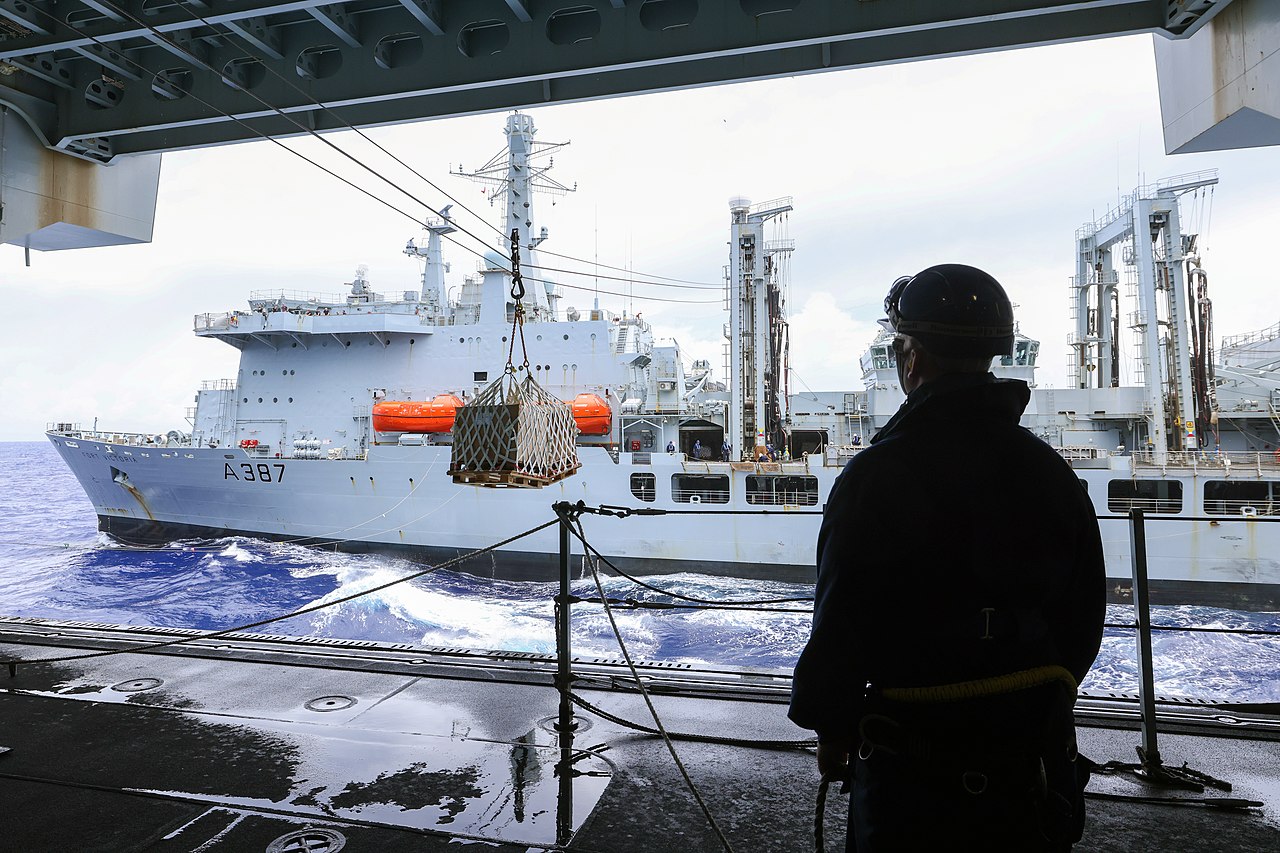
The Royal Fleet Auxiliary plays an indispensable role in supporting naval operations globally. Its vessels provide logistical replenishment, including fuel, ammunition, fresh water, and provisions, to Royal Navy warships. They also undertake vital tasks such as disaster relief, humanitarian aid, and maritime security operations. Any disruption to the RFA's operations, therefore, has direct implications for the UK's defense capabilities and its ability to project power and respond to international crises.
"The Royal Fleet Auxiliary is the logistical backbone of the Royal Navy. When they are not operational, the entire chain of supply for our warships is compromised."
The current strikes highlight a growing concern over fair pay and working conditions for essential maritime personnel. In an era of rising living costs, the compensation offered to RFA seafarers is being scrutinized, and their industrial action underscores the need for competitive remuneration that reflects the demanding nature of their work and the risks involved.
Background Context: The Role of the RFA
Established in 1905, the Royal Fleet Auxiliary operates a diverse range of support ships, including replenishment oilers, dry cargo vessels, and amphibious assault ships. Unlike the Royal Navy, RFA personnel are merchant mariners, employed by the Ministry of Defence, and wear civilian clothes while at sea. Despite this distinction, their work is intrinsically linked to military objectives, and they often operate in challenging and dangerous environments alongside their naval counterparts.
The RFA's continuous at-sea presence ensures that naval assets can remain on station for extended periods, a capability vital for maintaining global maritime security and responding to geopolitical events. Their unique position, bridging civilian mariner employment with military support, means that industrial disputes can have complex ramifications, involving both labor rights and national security considerations.
What to Expect Next
The ongoing strikes are likely to continue until a satisfactory resolution is reached regarding the pay disputes. Negotiations between the RFA, unions, and potentially the Ministry of Defence will be key. The duration and impact of the strikes will depend on the willingness of all parties to find common ground. Further disruptions could affect planned naval exercises, deployments, or logistical support missions.
Public and political attention is expected to remain on the situation, particularly concerning the potential impact on defense readiness. Stakeholders will be closely watching for updates on the negotiations and any further industrial action. The outcome could set a precedent for future labor relations within the MoD and other essential maritime support services, potentially influencing pay scales and working condition agreements across the sector.
Key Takeaways:
- Royal Fleet Auxiliary seafarers are on strike over pay disputes.
- Industrial action is taking place in ports like Falmouth and Portland.
- The RFA's role is critical for Royal Navy operations and global security.
- The strikes highlight concerns over fair compensation for essential maritime workers.
- Negotiations are ongoing, with potential implications for future labor relations and defense readiness.
Related News
Frequently Asked Questions
Why is the Royal Fleet Auxiliary trending?
The Royal Fleet Auxiliary is trending because its seafarers have initiated strike action. This industrial action is due to unresolved pay disputes, drawing significant attention to the working conditions and compensation of these essential maritime personnel.
What happened with the Royal Fleet Auxiliary?
Seafarers working for the Royal Fleet Auxiliary have walked out and gone on strike at various locations, including Falmouth and Portland. The primary reason for these strikes is dissatisfaction with their current pay and conditions, leading to disruptions in RFA operations.
What is the Royal Fleet Auxiliary's role?
The Royal Fleet Auxiliary provides crucial logistical and operational support to the UK's Royal Navy. Its vessels supply warships with fuel, ammunition, food, and water, enabling extended deployments and global reach for naval operations.
Why are RFA seafarers striking over pay?
RFA seafarers are striking because they are reportedly dissatisfied with their pay, especially in the context of rising living costs and the demanding nature of their work. The strikes indicate a belief that their compensation does not adequately reflect their vital contribution to national defense and maritime security.
What is the impact of the RFA strikes?
The strikes can potentially impact the Royal Navy's operational readiness and ability to sustain long-term deployments. Disruptions to RFA services could affect logistical support, requiring adjustments to naval planning and potentially limiting the scope of maritime operations.