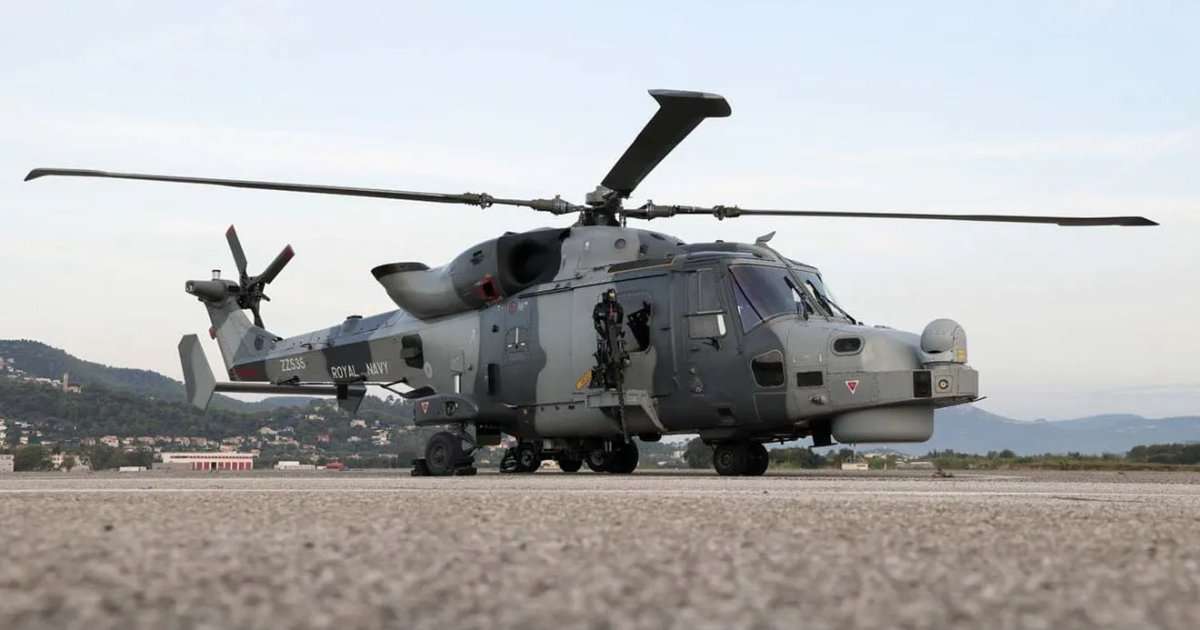
Royal Navy Wildcat Helicopter Exercises Gain Attention Following Defensive Maneuvers
The capabilities and operational readiness of the Royal Navy's AgustaWestland AW159 Wildcat helicopter are currently under the spotlight, with recent exercises drawing significant attention. Reports have emerged detailing the Wildcat's successful role in defending a French strike group against simulated aerial threats during a challenging live-fire exercise. This event highlights the advanced nature of the Wildcat helicopter and its crucial contribution to international naval cooperation and defense capabilities.
What Happened During the Recent Exercise?
Recent reports indicate that a Royal Navy Wildcat helicopter was deployed as part of a significant naval exercise, specifically tasked with defending a French strike group. During this operation, the Wildcat successfully intercepted and engaged simulated aerial threats, demonstrating its proficiency in air defence and maritime security roles. The exercise involved live-fire elements, underscoring the realistic conditions under which the helicopter and its crew operated, showcasing their ability to protect high-value assets in a contested environment.
Why This Exercise Matters
The involvement of the Royal Navy Wildcat in defending a French naval formation is significant for several reasons. Firstly, it underscores the strong interoperability and collaborative spirit between the UK and French navies, two key NATO allies. This seamless integration is vital for collective security and demonstrates the ability of allied forces to operate cohesively during joint operations. Secondly, it serves as a powerful showcase for the Wildcat helicopter itself. As a modern, versatile maritime attack helicopter, the Wildcat is equipped with advanced sensors, weaponry, and electronic warfare systems, making it a formidable asset in protecting naval assets from a variety of threats, including anti-ship missiles and aircraft.
Background Context: The Wildcat Helicopter
The AgustaWestland AW159 Wildcat is a development of the earlier Lynx helicopter, designed to meet the modern demands of naval warfare. It entered service with the British armed forces in the early 2010s. The Wildcat is operated in two main variants:
- Wildcat AH.1 (Army Air Corps): Primarily used for utility, reconnaissance, and light attack roles.
- Wildcat HMA.2 (Royal Navy): Optimized for maritime roles, including anti-submarine warfare (ASW), anti-surface warfare (ASuW), reconnaissance, and general utility.
The Royal Navy's HMA.2 variant is equipped with a comprehensive suite of sensors, including a Seaspray 7000E radar, and can be armed with Sting Ray anti-submarine torpedoes, Martlet light missiles for anti-surface and anti-air roles, and a 20mm cannon. Its advanced capabilities allow it to operate effectively from frigates and destroyers, providing an essential layer of defense and offensive capability.
The Importance of Joint Exercises
Joint exercises like the one involving the Wildcat and the French strike group are the bedrock of modern military preparedness. They provide invaluable opportunities for:
- Testing and Refining Tactics: Allowing naval forces to practice and improve their strategies and procedures in a safe environment.
- Enhancing Interoperability: Ensuring that different nations' platforms, communication systems, and command structures can work together efficiently.
- Building Trust and Relationships: Fostering strong personal and professional bonds between military personnel from different countries.
- Validating Capabilities: Proving the effectiveness of specific platforms and technologies, such as the Wildcat's defensive capabilities.
These exercises are not merely symbolic; they are critical investments in collective security, ensuring that allied forces are ready to respond effectively to real-world threats. The recent exercise involving the Wildcat is a testament to this ongoing commitment to joint readiness.
What to Expect Next
The prominence of the Royal Navy Wildcat in such high-profile exercises suggests a continued emphasis on its role in maritime defence and international collaboration. We can anticipate further reports showcasing the Wildcat's capabilities in various operational scenarios, potentially involving other allied navies. The success in these drills will likely reinforce its position as a key asset within the Royal Navy's fleet and a vital component of multinational naval operations. The ongoing evolution of threats in the maritime domain means that the continuous training and modernization of platforms like the Wildcat will remain a priority for navies worldwide.
The Wildcat's ability to act as a highly effective airborne escort and threat interceptor is a game-changer for protecting naval task groups in an increasingly complex security environment.
– Defence Analyst
The Royal Navy's commitment to advanced training and multinational exercises ensures that its assets, like the Wildcat helicopter, are ready to meet the challenges of modern global security, safeguarding international maritime interests.