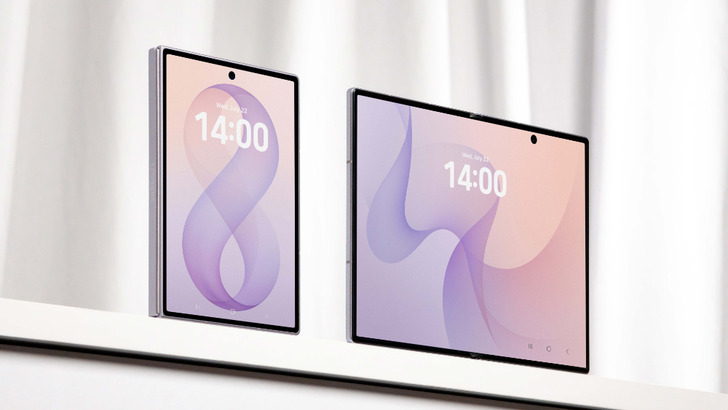
Samsung's Foldable Reign Challenged Amidst Record Sales and Apple Speculation
The landscape of premium smartphones is undergoing a significant transformation, with foldable devices moving from niche concepts to mainstream contenders. At the forefront of this revolution is Samsung, whose Galaxy Z Fold series has consistently pushed the boundaries of mobile technology. Recent announcements reveal that Samsung is not just maintaining its lead but is experiencing unprecedented growth, setting new benchmarks for foldable adoption. This success comes at a pivotal moment, as the industry buzzes with the potential entry of Apple, a move that could redefine competition in the high-end smartphone market.
Samsung's Record-Breaking Foldable Performance
Samsung has reported a remarkable surge in sales for its latest foldable models, the Galaxy Z Fold8 and Fold8 Ultra. According to Samsung Global Newsroom, these devices have achieved a staggering 50% increase in sales, driving significant adoption of foldable technology across Europe. This performance underscores the growing consumer appetite for innovative form factors that offer enhanced productivity and unique user experiences. The robust demand has been a key factor in Samsung's overall mobile division performance, reinforcing its position as the dominant player in the foldable segment.
Counterpoint Research data further corroborates Samsung's strong market position. The research firm noted that the Galaxy Z8 Series, including the highly sought-after Fold8, started with sales figures 8% higher than its predecessor, the Z7. This consistent growth trajectory highlights Samsung's ability to not only innovate but also to effectively market and scale its foldable offerings to a broader audience.
Why This Matters: The Shifting Smartphone Paradigm
The increasing success of Samsung's foldables is significant for several reasons. Firstly, it validates the foldable form factor as a viable and desirable alternative to traditional smartphones. Consumers are clearly embracing the larger screen real estate for multitasking, content consumption, and enhanced productivity, all within a pocketable design. Secondly, it intensifies the competitive dynamic. Samsung's market leadership is built on years of research, development, and refinement, but the prospect of Apple entering the fray changes the game entirely.
The foldable market, once a niche segment dominated by a few pioneers, is rapidly maturing. Samsung's current sales success demonstrates that the technology is reaching a point of mainstream appeal, making it an attractive proposition for new entrants looking to capture market share.
The Shadow of Apple's Entry
While Samsung celebrates its sales triumphs, the tech world remains fixated on rumors and speculation surrounding Apple's potential entry into the foldable market. Historically, Apple has entered new product categories once the technology has matured and a clear path to a superior user experience is established. The increasing maturity of Samsung's foldables, coupled with growing consumer acceptance, could be the signal Apple has been waiting for.
Samsung is acutely aware of this potential competitive threat. Reports indicate that the South Korean giant is actively working on strategies to retain its iPhone user base by showcasing the unique advantages of its foldables. This includes highlighting how their devices offer functionalities and experiences that current iPhones do not, aiming to lure users seeking more versatile mobile solutions. This preemptive strategy suggests Samsung is preparing for a head-to-head battle in a segment it currently leads.
Background Context: The Evolution of Foldables
Foldable phones first emerged as a futuristic concept, with early devices facing challenges related to durability, price, and user interface optimization. Samsung, a pioneer in this space, has consistently invested in overcoming these hurdles. The transition from the first-generation Galaxy Fold to the advanced Galaxy Z Fold8 series showcases significant advancements in hinge technology, screen durability, and software integration, making the devices more practical and appealing for everyday use.
The growth in foldable sales, particularly Samsung's recent surge, is a testament to these improvements. It indicates that the initial concerns about foldable technology are diminishing, replaced by an appreciation for the innovative experiences they offer. This evolving market perception is crucial as Samsung aims to solidify its lead and as potential competitors like Apple weigh their market entry strategies.
What to Expect Next
The competition in the foldable smartphone market is set to become increasingly fierce. Samsung is likely to continue its aggressive innovation cycle, focusing on further enhancing device performance, durability, and user experience. Expect new iterations that might offer more diverse form factors, improved camera technology, and seamless integration with other Samsung devices.
On the other side, the industry awaits Apple's official move. If Apple does launch a foldable device, it will undoubtedly bring its signature focus on user experience, ecosystem integration, and design refinement. This could accelerate mainstream adoption even further, potentially setting new industry standards and forcing all players, including Samsung, to innovate at an even faster pace. The coming years promise to be dynamic for the foldable smartphone market, with Samsung's current success setting a high bar for any challengers, including the perpetually watched Cupertino giant.
- Samsung's Record Sales: Galaxy Z Fold8 series sees a 50% sales increase, boosting European adoption.
- Market Dominance: Samsung continues to lead the foldable market with strong product demand.
- Apple Speculation: Industry watches for Apple's potential entry into the foldable space.
- Strategic Focus: Samsung aims to attract iPhone users to its foldable devices.
- Technological Evolution: Foldable technology matures, overcoming earlier challenges.