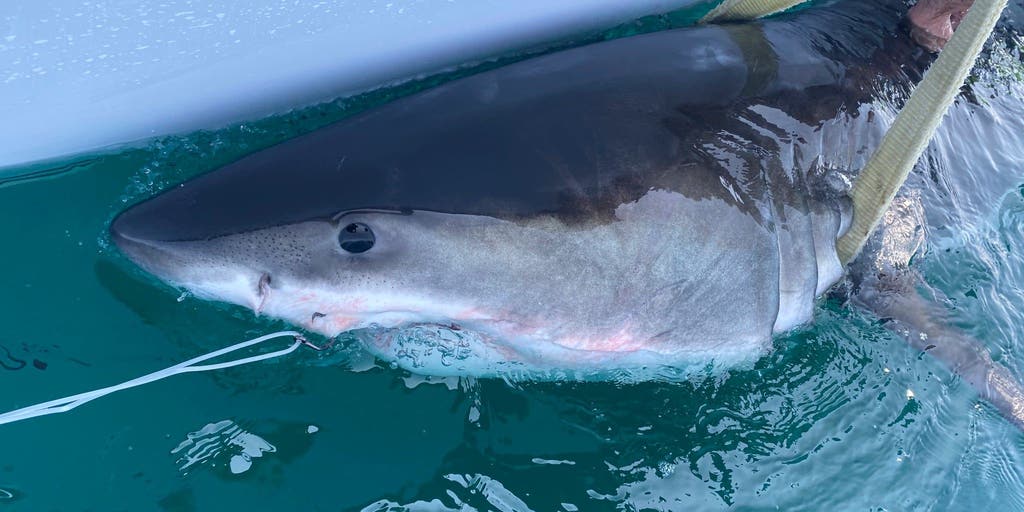
Great White Shark 'Percy' Sparks Interest with Recent Coastal Pings
The topic of "sharks" has surged in online interest following recent news of a great white shark, identified by researchers as "Percy," being tracked close to the Long Island coast. This development has brought renewed attention to the lives of these apex predators and their movements within our oceans.
What Happened?
The core of the current trending topic revolves around the detection of a specific great white shark, "Percy," by research organization OCEARCH. Percy was initially tagged by OCEARCH off the coast of Nova Scotia, a significant undertaking that allows scientists to monitor the shark's movements and behavior. More recently, automated tracking systems have registered "pings" from Percy approximately 14 miles off the coast of Long Island, New York. These pings indicate the shark's presence in areas that are of interest due to their proximity to human populations and recreational activities.
Why Does This Matter?
The increased attention on Percy and other shark sightings matters for several reasons. Firstly, it highlights the ongoing work of organizations like OCEARCH in understanding and conserving shark populations. By tracking these animals, researchers gather crucial data on migration patterns, feeding grounds, and breeding areas, which are essential for effective management and protection strategies. Secondly, these sightings often bring the reality of living alongside large marine animals into sharper focus for coastal communities. While shark attacks are rare, their presence near shorelines naturally sparks curiosity and sometimes apprehension, leading to important conversations about coexisting safely with marine wildlife.
Background Context: Shark Tracking and Conservation
OCEARCH is a globally recognized leader in scientific research and conservation of charismatic megafauna, particularly sharks. Their "Global Shark Tracker" is a publicly accessible platform that displays the real-time locations of tagged sharks. This technology allows for unprecedented insights into the lives of these often-elusive creatures. Great white sharks (Carcharodon carcharias) are a highly migratory species, known to travel vast distances across oceans. Factors such as water temperature, prey availability, and reproductive cycles influence their movements. Percy's journey from Nova Scotia to the waters off Long Island is indicative of the natural migratory behavior of this species. The tagging process itself is a complex operation, involving research vessels, expert teams, and specialized equipment to ensure the safety and well-being of the animal throughout the procedure.
The presence of sharks in coastal waters is a natural phenomenon. However, increasing human activity in the oceans, coupled with better tracking technologies, often leads to more reported sightings. This has fueled both scientific inquiry and public fascination. It also underscores the importance of responsible ocean use and the need to protect marine ecosystems, as healthy shark populations are vital indicators of a healthy ocean.
What to Expect Next
With Percy continuing to be tracked, it is likely that public interest in shark activity off the coast will remain elevated. Future "pings" could reveal further details about Percy's journey, potentially indicating a return to Nova Scotia, a move further south, or exploration of different feeding grounds. Continued monitoring by OCEARCH will provide valuable data that can inform conservation efforts and public education initiatives. Media coverage may also expand to include expert commentary on shark behavior, the significance of their presence in these areas, and advice for beachgoers and boaters on how to minimize risks. Ultimately, the story of Percy serves as a timely reminder of the incredible biodiversity within our oceans and the ongoing need for scientific research and conservation.
"Understanding shark movements is critical for both conservation and ensuring human safety. Each ping from a tagged shark like Percy is a piece of a larger puzzle about ocean health." - OCEARCH Statement (paraphrased)
The ongoing tracking of great white sharks like Percy provides invaluable data. This information is not only essential for understanding the species' ecological role but also for developing effective strategies to mitigate potential human-shark conflicts. As technology advances, so does our ability to observe and learn from these magnificent creatures, fostering a greater appreciation for their place in the marine environment.