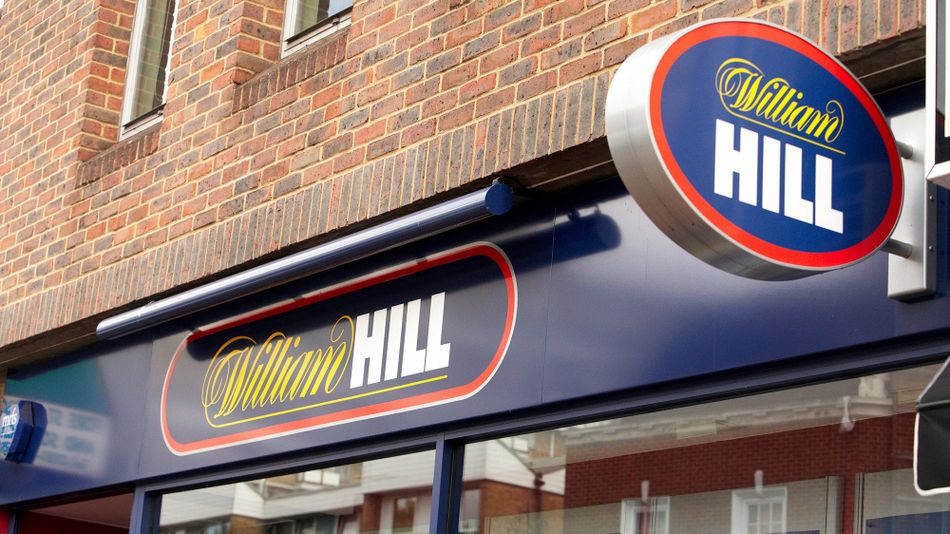
Shop
Business100+ searches
Quick Answer
The term 'shop' is trending due to significant news about William Hill's decision to close approximately 200 betting shops. This move is a direct response to increased tax rates following a recent budget announcement, impacting both the company and its employees.
Why Is This Trending?
High street betting giant William Hill is making headlines today as it announces the closure of around 200 of its physical shops. This substantial reduction in its retail footprint is a direct consequence of increased tax levies introduced in the latest budget. The company has cited these tax hikes as the primary driver behind the decision, which is expected to lead to the loss of approximately 1,500 jobs. This development highlights the precarious state of some traditional retail sectors in the face of changing economic conditions and government policy.
The closures at William Hill represent a significant blow to the high street, impacting local communities and the employment landscape. The news has sparked debate about the sustainability of businesses facing increased taxation and the broader economic implications for retail. With 1,500 jobs at risk, the human element of these business decisions is a major focal point, underscoring the real-world impact of fiscal policy changes on individuals and families.
William Hill Announces Major Shop Closures Following Tax Hikes
The prominent betting company William Hill is set to close a significant number of its high street outlets, with reports indicating that around 200 shops will cease operations. This substantial contraction of its retail presence is attributed to recent tax increases introduced in the government's budget. The move is expected to result in a considerable loss of jobs, with approximately 1,500 positions at risk.
What Happened?
News emerged today that William Hill, a long-standing fixture on the UK high street, will be shutting down approximately 200 of its betting shops. This decision comes in the wake of recent fiscal policy changes that have increased the tax burden on the betting industry. The company has explicitly linked these closures to the financial implications of the raised taxes, suggesting that the increased operational costs have made a significant portion of its retail estate unviable.
The scale of the planned closures is substantial, affecting a considerable number of physical locations and posing a threat to the livelihoods of many employees. Reports suggest that up to 1,500 jobs could be lost as a direct result of this strategic decision by William Hill's parent company. This has understandably generated concern among staff, unions, and the communities where these shops are located.
Why Does This Matter?
The closure of 200 William Hill shops is significant for several reasons. Firstly, it represents a major shift in the retail landscape, particularly for the betting industry, which has a visible presence in towns and cities across the country. The loss of these shops can lead to vacant properties, impacting the vibrancy and economic activity of high streets.
Secondly, the human impact is profound. The potential loss of 1,500 jobs raises serious concerns about unemployment and the economic well-being of affected individuals and their families. It also highlights the challenges faced by traditional retail businesses in adapting to changing economic conditions and regulatory environments.
Furthermore, this situation brings to the forefront the debate around the impact of government taxation policies on specific industries. The news reports have pointed fingers at specific political figures and policies, framing the closures as a direct consequence of what is being described by some as 'tax raids'. This suggests a broader discussion about the balance between generating government revenue and supporting established businesses.
Background Context
William Hill has been a major player in the UK betting and gambling market for decades. Like many traditional retail businesses, betting shops have faced increasing competition from online platforms and have had to navigate a complex regulatory framework. The physical betting shop model relies heavily on footfall and customer engagement within local communities.
The betting industry, in particular, has been subject to various governmental reviews and policy changes over the years, aimed at addressing concerns related to problem gambling and ensuring fair taxation. Recent budgets often contain measures that can significantly impact sectors like gambling, affecting profitability and strategic planning.
The recent budget's tax increases have been cited by William Hill as the direct catalyst for these widespread shop closures, marking a significant challenge for the company and its workforce.
The specific tax increases mentioned in the context of the William Hill closures are a key element. Details suggest that these hikes, potentially related to gaming duty or other levies, have altered the financial equation for operating physical betting premises. This forces companies to re-evaluate their business models and make difficult decisions about resource allocation.
What to Expect Next
Following this announcement, the immediate focus will be on the process of closure and the support offered to the affected employees. It remains to be seen whether William Hill will offer any redundancy packages or outplacement services to those losing their jobs.
The broader implications for the betting industry are also significant. Other operators may face similar pressures if tax conditions remain unfavorable. This could lead to further consolidation or restructuring within the sector. The future of the high street betting shop model is clearly under review, with companies likely to prioritize profitability and sustainability in their strategic planning.
Consumers may also experience changes, with fewer physical locations available for betting services. This could further accelerate the shift towards online gambling, presenting both opportunities and challenges for the industry and regulators alike. The effectiveness of the tax increases in achieving their intended financial goals, while balancing economic impact, will likely be a subject of ongoing scrutiny.
Related News
William Hill set to close around 200 betting shops as parent company acts following tax increases in budget
Racing PostWilliam Hill closing '200' shops due to tax hikes in hammer blow to high street
Daily StarWilliam Hill: High street betting giant to close 200 stores with 1,500 jobs at risk as Rachel Reeves's tax raids blamed
GB NewsFrequently Asked Questions
Why is shop trending?
The term 'shop' is trending primarily because of the significant news surrounding William Hill's decision to close approximately 200 of its betting shops. This decision is directly linked to increased taxes introduced in a recent budget.
What happened with William Hill's shops?
William Hill is closing around 200 of its betting shops across the UK. This decision has been made by the company's parent group in response to higher tax rates imposed following the recent budget announcement.
How many jobs are at risk due to these shop closures?
Approximately 1,500 jobs are at risk as a consequence of William Hill's plan to close about 200 of its retail betting shops. This represents a significant impact on employment within the sector.
What is the reason behind the William Hill shop closures?
The primary reason cited for the closures is the increase in taxes introduced in the latest budget. William Hill's parent company views these tax hikes as making a substantial portion of their physical shop operations financially unsustainable.
What is the broader impact of these closures?
The closures are seen as a blow to the high street, potentially leading to vacant properties and impacting local economies. The significant job losses also raise concerns about unemployment and the economic welfare of affected individuals.