Supreme Court Rejects Bid for New Virginia Congressional Map
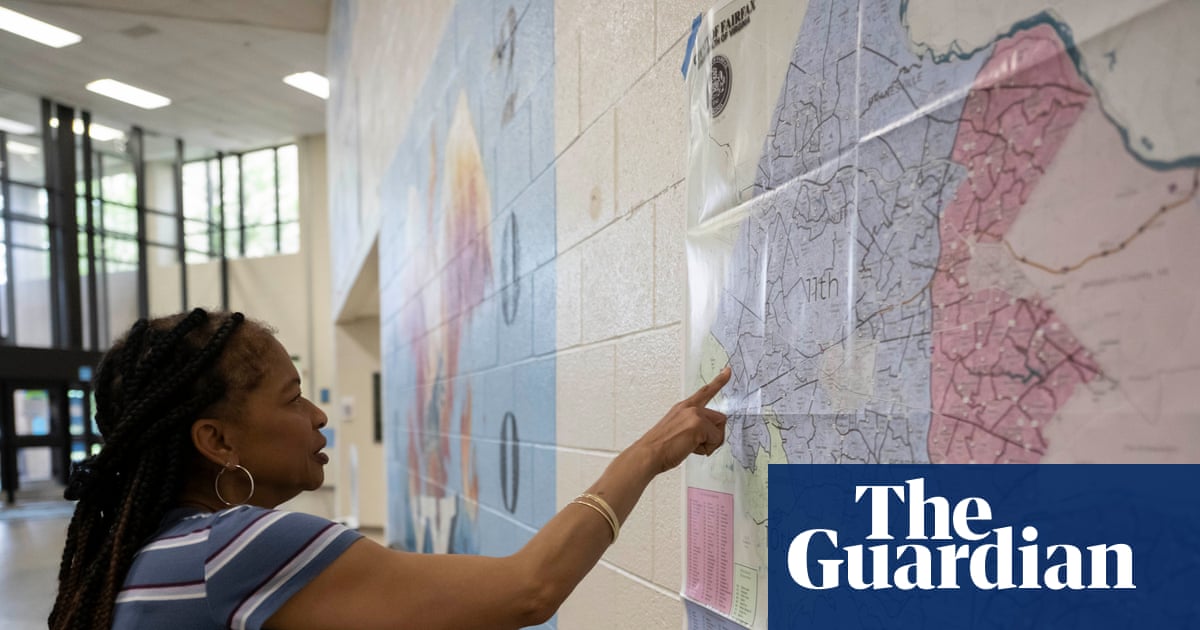
The United States Supreme Court has delivered a significant ruling in the ongoing redistricting saga in Virginia, rejecting a final appeal from state Democrats to implement a new congressional map. This decision means that the current congressional map will remain in effect for the upcoming elections, a outcome that has drawn strong reactions from political stakeholders in the Commonwealth.
What Happened?
The core of the issue revolved around a challenge to Virginia's existing congressional district boundaries. Democrats in the state had been advocating for a newly drawn map, which they believed would be more equitable and potentially yield better electoral results for their party. However, their efforts to have this new map approved and implemented for the upcoming elections were ultimately denied by the nation's highest court. The Supreme Court's refusal to hear the appeal means that the legal battles over redistricting in Virginia have reached a conclusion, at least for this electoral cycle, leaving the previously established map as the governing plan.
Why It Matters
This ruling carries substantial weight for the political landscape of Virginia and potentially sets precedents for future redistricting disputes. The existing map, which was drawn and approved under different circumstances, will now dictate the boundaries within which candidates will campaign and voters will cast their ballots. For Democrats, the rejection represents a missed opportunity to reshape the electoral playing field to their advantage. Conversely, Republicans, who may have benefited from the current map, will likely see this as a victory. Beyond partisan implications, the extended legal wrangling over district lines has also raised concerns about voter confidence and engagement. Governor Glenn Youngkin of Virginia has voiced apprehension that such prolonged battles could foster voter apathy, potentially impacting turnout in the fall.
Background Context
Redistricting, the process of drawing boundaries for electoral districts, is a contentious and often politically charged affair that occurs every ten years following the U.S. Census. The goal is to ensure that districts are roughly equal in population and that representation reflects demographic changes. However, the process is frequently exploited for partisan gain, leading to accusations of gerrymandering – the manipulation of district boundaries to favor one party over another.
In Virginia, the debate over congressional maps has been particularly fierce. The state's political climate has seen shifts, and each party seeks to maximize its representation. The push for a new map by Democrats was an attempt to adapt to these perceived shifts and to create districts they believed were more representative. The legal challenges and appeals that followed highlight the deep divisions and the high stakes involved in controlling the drawing of electoral lines. The Supreme Court's involvement, even in denying an appeal, underscores the national significance of such state-level redistricting disputes.
The courts are the final arbiter when the political branches cannot agree, and in this instance, the Supreme Court's decision brings a definitive end to the immediate redistricting controversy in Virginia.
What to Expect Next
With the Supreme Court's decision, the focus now shifts to the upcoming elections under the existing congressional map. Candidates will need to navigate the current district boundaries, and campaigns will be shaped by the established political geography. The concern voiced by Governor Youngkin about voter reluctance is a critical point to monitor. Political analysts will be watching closely to see if the prolonged redistricting dispute has a tangible effect on voter turnout. It is also possible that this ruling could influence strategies in future redistricting cycles across the country, as parties and advocacy groups assess the legal avenues available to challenge or defend district maps.
The implications for Virginia's representation in Congress remain significant. The current configuration of districts will determine which voices are amplified and how effectively constituents are represented. While this particular legal battle has concluded, the underlying tensions surrounding redistricting and fair representation are likely to persist, influencing political strategies and public discourse for years to come.