Tenzing Film Captures Cinematic Heights, Honoring a Mountaineering Legend
The story of Tenzing Norgay, the Sherpa mountaineer who, alongside Sir Edmund Hillary, became one of the first two individuals confirmed to have reached the summit of Mount Everest on June 2, 1953, is finally receiving significant cinematic attention with the release of the film Tenzing. The movie has garnered considerable buzz, appearing on "best films to watch" lists and earning praise from major publications, positioning it as a noteworthy cinematic event.
What Happened: A New Cinematic Tribute to a Hero
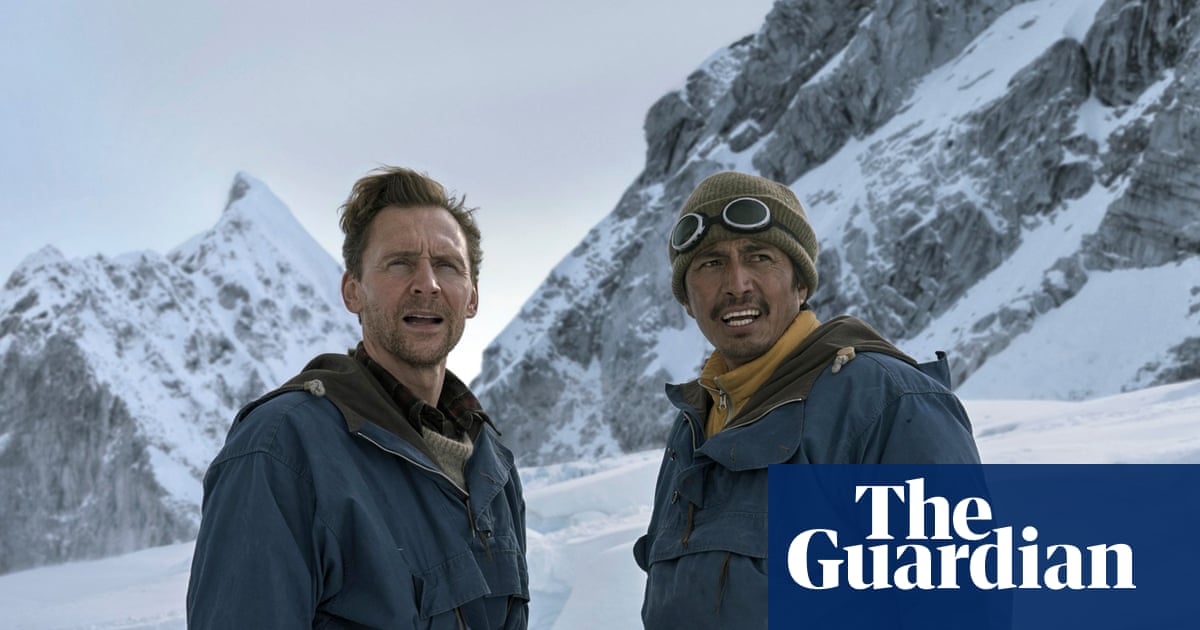
The release of the film Tenzing marks a pivotal moment in bringing the life and achievements of Tenzing Norgay to a mainstream audience. Recent critical coverage has focused on the film's artistic merit and its success in portraying the Sherpa icon. Publications like The Guardian have included Tenzing in their weekly viewing recommendations, while the Financial Times has lauded it as a film that "finally gets his cinematic due." ITV News has also highlighted the movie, specifically praising the performances of Tom Hiddleston and Genden Phuntsok, who have been noted for scaling "great cinematic heights" in their roles.
Why It Matters: Honoring an Unsung Hero
For decades, Tenzing Norgay's pivotal role in one of the 20th century's most significant exploratory achievements has often been overshadowed by that of his climbing partner, Sir Edmund Hillary. While Hillary became a household name and a symbol of British achievement, Tenzing's contributions, deeply rooted in his Sherpa heritage and unparalleled knowledge of the Himalayas, sometimes received less international recognition. The film Tenzing aims to rectify this historical imbalance, offering a dedicated narrative that explores his personal journey, his cultural background, and his critical contributions to the success of the 1953 expedition. This cinematic spotlight is important not only for Tenzing's legacy but also for recognizing the broader contributions of Sherpa guides and indigenous peoples in extreme environment exploration.
Background Context: The Conquest of Everest
The 1953 British Mount Everest expedition was a monumental undertaking, fraught with peril and pushing the boundaries of human endurance. Tenzing Norgay, a seasoned mountaineer with extensive experience on Everest and other Himalayan peaks, was chosen for the expedition. His skills, resilience, and intimate understanding of the mountain were indispensable. The successful summit bid on May 29, 1953, was a triumph for the expedition and a moment of immense national pride for Britain, announced just in time for Queen Elizabeth II's coronation. However, the narrative often focused on Hillary's perspective, leaving Tenzing's story to be told more fully over time.
Tenzing Norgay’s life was one of remarkable dedication to mountaineering. Born in the Khumbu region of Nepal, he faced immense challenges, including poverty and the inherent dangers of high-altitude climbing. Despite these obstacles, he became one of the most experienced mountaineers of his time, participating in multiple Everest expeditions before the successful 1953 climb. His legacy extends beyond this single achievement; he became a symbol of international cooperation and the capabilities of the Sherpa people.
What to Expect Next: Continued Acclaim and Audience Engagement
With the film now generating significant positive press and appearing on weekly viewing guides, Tenzing is likely to attract a substantial audience. Viewers can expect a compelling narrative that delves into the complexities of Tenzing Norgay's life, his relationship with Hillary, and the cultural significance of his achievement. The strong performances noted by critics suggest an emotionally resonant and visually striking film. As word-of-mouth grows, Tenzing is poised to become a widely discussed and appreciated film, contributing to a more complete understanding and celebration of mountaineering history and its heroes.
"The film offers a much-needed cinematic tribute to a figure whose contributions were essential, yet whose personal story has often been less prominent than that of his Western counterparts."
— A critical takeaway from recent reviews
The success of Tenzing in capturing critical acclaim suggests a growing public interest in the untold stories of historical figures. It highlights the power of cinema to educate, inspire, and reframe historical narratives, ensuring that important legacies are not forgotten.
Key aspects of the film and its reception include:
- Focus on Tenzing Norgay's personal journey and Sherpa heritage.
- Praise for performances by Tom Hiddleston and Genden Phuntsok.
- Inclusion in prominent "best of the week" film lists.
- Recognition for finally giving Norgay his due cinematic recognition.
As audiences engage with Tenzing, it is expected to foster deeper appreciation for the history of Everest and the individuals who shaped it.