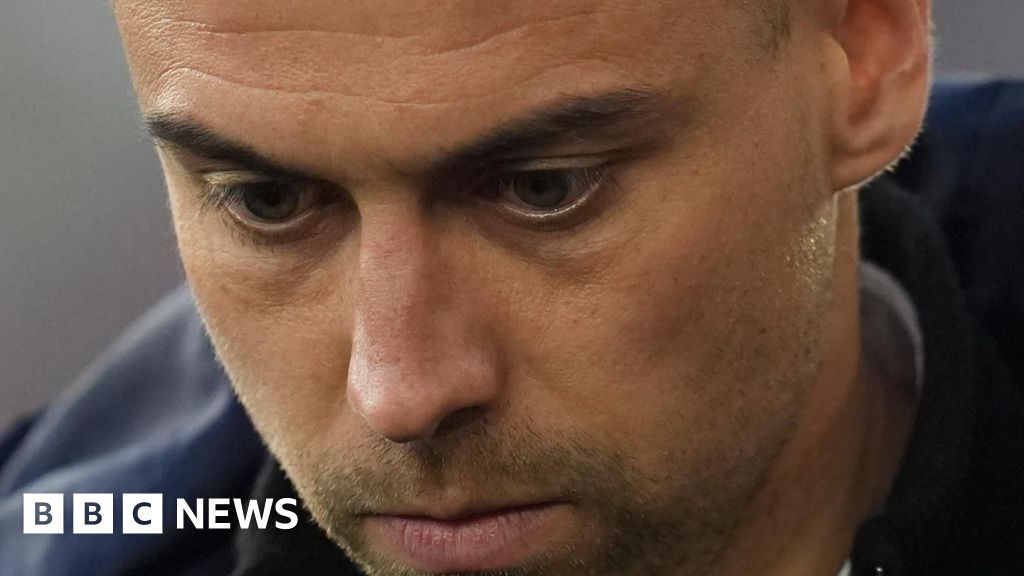
Tonda Eckert
Sports200+ searches
Quick Answer
Tonda Eckert is trending due to revelations that he, as Southampton's former head of media, received police protection during the 'spygate' scandal. This involved threats against him and the club's manager after accusations of spying on rival teams.
Why Is This Trending?
The name Tonda Eckert has resurfaced in trending discussions following exclusive interviews where he detailed the personal toll of the 'spygate' scandal that rocked English football. Eckert, who served as Southampton's head of media during the controversial period, revealed the extent of the threats and intimidation faced by himself and the club's management. This included receiving police protection, highlighting the intense pressure and hostility surrounding the accusations of illegal spying on rival clubs.
The resurfacing of these details sheds new light on a tumultuous chapter for Southampton, underscoring the personal risks involved for individuals caught in the crossfire of high-stakes football rivalries. The context provided by Eckert's accounts offers a behind-the-scenes look at the psychological impact of such scandals, moving beyond the mere sporting consequences to the human element of those involved.
Tonda Eckert and the Shadow of 'Spygate': Threats, Protection, and Lingering Questions
The name Tonda Eckert is once again capturing attention, not for his current role, but for events that transpired years ago. Eckert, who formerly held the position of head of media for Southampton Football Club, has recently shared exclusive accounts detailing the intense personal impact of the infamous 'spygate' scandal. His revelations, published by Sky Sports, bring to light the serious threats he and the club's management received, necessitating police protection during the height of the controversy.
What Happened During 'Spygate'?
The 'spygate' scandal refers to a period in English football, primarily involving Southampton and Leeds United under manager Marcelo Bielsa, where accusations of illegal spying on opposition teams surfaced. While the exact details and perpetrators were subject to intense scrutiny and investigation, the overarching theme was one of alleged clandestine surveillance of rival clubs' training sessions. This practice, if proven, violated the spirit and rules of the game, leading to significant disciplinary actions, including fines and points deductions for clubs involved.
Tonda Eckert's testimony focuses on the aftermath and the climate of hostility surrounding these accusations. As head of media, he was at the forefront of managing the club's public image and communications during this crisis. He has revealed that the situation escalated beyond the usual pressures of professional football, with threats being made against him and others within the club. The gravity of these threats led to the involvement of law enforcement, with Eckert himself confirming that he received police protection.
Why Does This Matter?
Eckert's account is significant because it humanizes a scandal that is often discussed in terms of points, fines, and managerial reputations. It highlights the very real personal risks and psychological toll that such high-profile controversies can have on individuals working behind the scenes. The fact that a club official required police protection underscores the extreme nature of the animosity and pressure generated by the 'spygate' allegations.
Furthermore, these revelations add a crucial layer of context to the ongoing narrative of football governance and ethics. The scandal raised fundamental questions about fair play, competitive integrity, and the acceptable boundaries of football intelligence gathering. Eckert's perspective offers a stark reminder that behind the strategic plays and financial stakes, individuals are often caught in the crossfire, facing intimidation and personal danger.
"The pressure was immense. It wasn't just about the football; it felt personal, and frankly, dangerous at times. Needing police protection was something none of us ever expected." Tonda Eckert (paraphrased from Sky Sports report)
Background Context: A History of Football Scandals
The 'spygate' incident is not an isolated event in the annals of football. Throughout its history, the sport has seen numerous controversies involving allegations of cheating, unsportsmanlike conduct, and breaches of regulations. From match-fixing scandals to financial irregularities and, indeed, intelligence gathering, football clubs have often pushed the boundaries in their pursuit of success.
In the specific case of Southampton and Leeds, the accusations of illegal spying were part of a broader competitive rivalry. The club named in the Oxford Mail report was charged, indicating a formal disciplinary process was undertaken. The BBC's mention of the Southampton boss being 'hurt' also points to the emotional and reputational damage such scandals inflict on managers and the club as a whole. These events often test the resilience of club staff, from the boardroom to the media department and the playing staff.
What to Expect Next
While the 'spygate' scandal itself has largely been addressed by the football authorities, Tonda Eckert's recent disclosures are likely to reignite discussions about the incident's legacy. Fans and media may revisit the events with renewed interest, focusing on the human cost and the ethical dimensions. It could also prompt further reflections on how clubs manage intense rivalries and the security of their staff during periods of heightened tension.
For Tonda Eckert, these revelations serve to document his experience and perhaps offer closure or a chance to set the record straight on the severity of the situation. The impact of such events can linger, and sharing these accounts might help others understand the complexities and dangers that can accompany roles in professional sports management. The footballing world continues to evolve, and lessons learned from scandals like 'spygate' contribute to the ongoing conversation about integrity and player/staff welfare.
Key Takeaways
- Tonda Eckert, former Southampton head of media, revealed he received police protection during the 'spygate' scandal.
- The scandal involved accusations of illegal spying on rival football teams.
- Eckert's accounts highlight the personal threats and intimidation faced by club staff.
- The events underscore the intense pressure and ethical questions surrounding high-stakes football rivalries.
- These revelations add a human dimension to a well-documented football controversy.
Related News
Frequently Asked Questions
Why is Tonda Eckert trending?
Tonda Eckert is trending because he recently shared exclusive details about the intense 'spygate' scandal. He revealed that he received police protection due to threats made against him and Southampton Football Club during that period.
What happened with Tonda Eckert during 'Spygate'?
As Southampton's head of media during the 'spygate' scandal, Tonda Eckert faced significant threats and intimidation. The situation escalated to the point where he required police protection, highlighting the extreme pressure and hostility surrounding the accusations of illegal spying on rival teams.
What was the 'Spygate' scandal?
The 'spygate' scandal involved accusations that football clubs, notably Leeds United under Marcelo Bielsa, were illegally spying on the training sessions of their rival teams. This practice raised serious questions about fair play and competitive integrity within the sport, leading to investigations and disciplinary actions.
Did Southampton face charges related to 'Spygate'?
While specific charges might have varied, news reports mention a football club being charged after spying on other teams, and Southampton's manager was described as 'hurt' by the situation. Tonda Eckert's revelations focus on the personal impact and threats faced by club staff during this time.