Uganda Navigates Ebola Concerns Amidst Commendations and Travel Protocol Updates
Uganda has recently emerged as a trending topic due to a confluence of significant public health developments and related international responses. The nation's handling of an Ebola outbreak has garnered attention from global health bodies, while simultaneously impacting regional travel and leading to updated government directives on international movement.
What Happened?
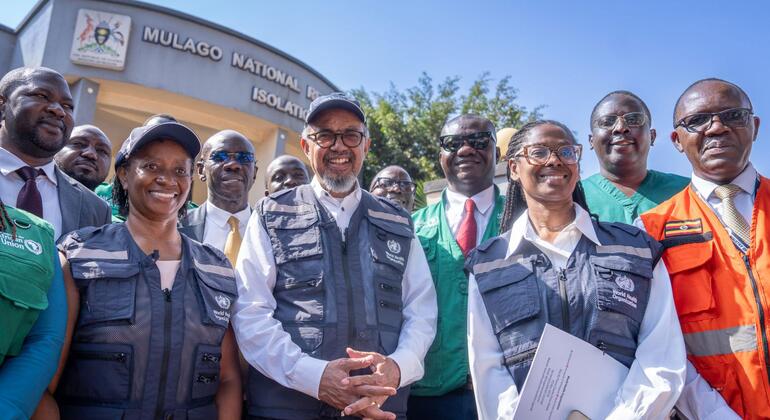
The World Health Organization (WHO) has publicly commended Uganda for its response to a recent Ebola outbreak. This recognition highlights the country's commitment to managing and containing the spread of the virus. In parallel, major African aviation hubs, including Addis Ababa and Uganda's own Entebbe International Airport, are on high alert, signaling potential concerns about the virus's proximity and the need for robust surveillance across borders. Furthermore, the Ugandan government has announced a significant policy shift, stating that Ebola-free certificates are no longer required for outbound travel or for visa applications. This move suggests an evolving assessment of the public health situation within the country and a desire to facilitate smoother international travel.
Why It Matters
The WHO's commendation underscores the effectiveness of Uganda's public health infrastructure and its dedication to international health security. It serves as a positive indicator of the nation's capacity to manage infectious disease outbreaks, a critical aspect for global health resilience. The alert status in neighboring countries and major transit hubs like Entebbe, however, emphasizes the persistent threat of infectious diseases and the necessity of continued vigilance and cooperation across the African continent. The ease of travel is also a crucial factor for economic activity and international relations. By removing the mandatory Ebola-free certificate requirement for travel and visas, Uganda aims to reduce barriers for international visitors and its own citizens, potentially boosting tourism and business, provided the public health situation remains stable and well-managed.
Background Context
Ebola virus disease (EVD) is a severe, often fatal illness in humans, typically caused by the Ebola virus. Outbreaks are usually characterized by sudden onset of fever, intense weakness, muscle pain, headache, and sore throat. These symptoms are followed by vomiting, diarrhea, rash, and in some cases, internal and external bleeding. The disease can spread through direct contact with the blood, secretions, organs, or other bodily fluids of infected people, and with surfaces and materials contaminated with these fluids.
Uganda has a history of experiencing Ebola outbreaks, including the Zaire ebolavirus strain, which necessitates continuous preparedness and response mechanisms. The country has worked closely with international partners, including the WHO, to strengthen its capacity for surveillance, diagnosis, and patient management. The recent commendation from the WHO suggests that these efforts have yielded positive results in managing the current situation. The African Union and regional bodies also play a role in coordinating responses to cross-border health threats, underscoring the importance of collaboration.
What to Expect Next
Following the WHO's commendation, Uganda is likely to continue its robust surveillance and response activities, possibly sharing its successful strategies with other nations. The focus will remain on maintaining vigilance to prevent any resurgence of the virus. The updated travel policies are expected to ease logistical burdens for travelers, but the global health community will likely monitor the situation closely to ensure that this does not lead to an increased risk of transmission. Regional cooperation will remain paramount, with health authorities in neighboring countries continuing their preparedness measures. Discussions around strengthening cross-border health security and rapid response mechanisms are also anticipated, especially in light of the alerts issued for key aviation hubs. The international community will be watching to see how Uganda balances public health imperatives with the facilitation of international travel and economic activity.
"The WHO's commendation of Uganda's Ebola response is a significant endorsement, but vigilance and regional cooperation remain critical as neighboring hubs brace for potential impacts."
The ongoing dialogue between Uganda, the WHO, and regional partners will be crucial in shaping future public health strategies. The country's proactive approach in clarifying travel requirements, while maintaining health protocols, sets a precedent for managing public health crises in an interconnected world.