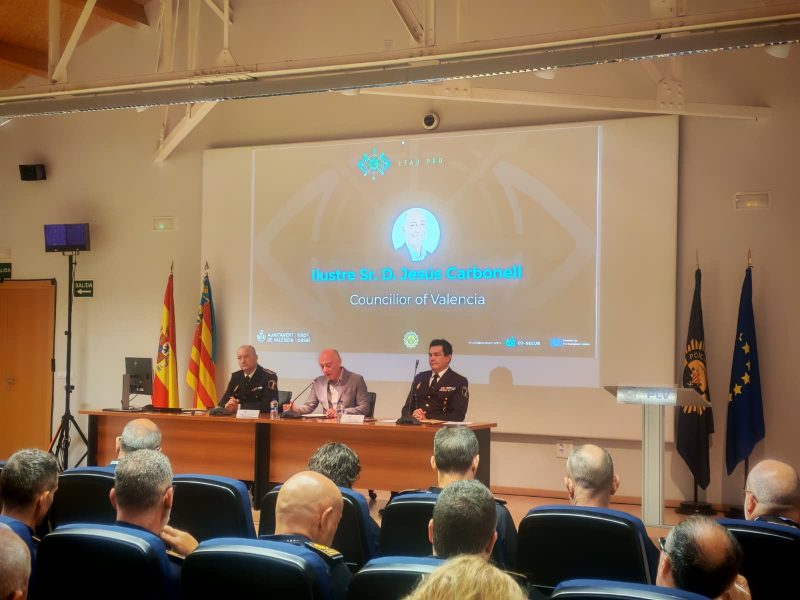
Valencia Hosts Major European Emergency Simulation
Valencia, Spain, has recently been at the center of a significant European-wide emergency management simulation, a large-scale exercise designed to test and improve response capabilities in the face of natural disasters. This prominent event has placed the city in the spotlight, drawing attention from international experts and media outlets alike. The simulation focused on flood response, a critical area given the recent impact of 'dana' events across the region.
What Happened: A Comprehensive Emergency Drill
The core of the trending topic revolves around an extensive simulation that took place in Valencia. This exercise was not merely a local event; it was a major European initiative aimed at validating emergency management protocols and the effectiveness of new technologies. One of the key highlights was the testing of advanced technological solutions, reportedly developed in Galicia, within a realistic emergency context. These technologies were put to the test in one of Europe's largest emergency drills, simulating scenarios that would arise from severe flooding and other catastrophic events.
The simulation involved a diverse group of participants, including international experts in emergency management, public safety officials, and technical specialists. The objective was to replicate the complex challenges faced during real-life emergencies, such as the recent 'dana' (Depresión Aislada en Niveles Altos), which brought heavy rainfall and severe disruptions to parts of Spain. By testing response strategies under pressure, the drill aimed to identify areas for improvement in coordination, communication, and resource deployment.
Why It Matters: Enhancing Resilience Against Climate Events
The importance of this simulation cannot be overstated. Climate change is leading to an increase in the frequency and intensity of extreme weather events globally, and Spain is no exception. The 'dana' events have served as a stark reminder of the vulnerability of communities to such phenomena. By conducting these comprehensive drills, Valencia and its European partners are taking proactive steps to enhance their resilience.
"This exercise is crucial for understanding our response capabilities and integrating new technologies that can save lives and minimize damage during emergencies," stated a spokesperson for the simulation organizers.
The focus on flood response is particularly relevant. Inundations can cause widespread damage to infrastructure, disrupt essential services, and pose significant risks to public safety. This simulation provided a platform for international collaboration, allowing different nations to share best practices and learn from each other's experiences in disaster management. The involvement of experts from various countries highlights a growing recognition of the need for a coordinated European approach to tackling shared environmental challenges.
Background Context: Lessons from Recent Disasters
The timing of this simulation is closely linked to the recent experiences with severe weather phenomena like the 'dana'. These events have underscored existing gaps in emergency preparedness and highlighted the need for continuous improvement in disaster management strategies. The 'dana' that affected Spain caused significant damage, leading to loss of life and extensive economic impact in some areas. Such events serve as critical learning opportunities, prompting authorities to re-evaluate and strengthen their emergency response frameworks.
The utilization of Galician technology within the Valencian simulation points to a broader trend of technological innovation in disaster management across Spain. The development and testing of sophisticated tools for early warning, communication, and crisis coordination are vital components of modern emergency preparedness. This collaboration between different regions within Spain and across Europe demonstrates a unified commitment to leveraging innovation for public safety.
What to Expect Next: Future Preparedness and Technological Integration
Following the successful completion of this large-scale simulation, the insights gained will be invaluable. The analysis of the drill's outcomes will likely lead to the refinement of emergency response plans, the adoption of new protocols, and the further integration of advanced technologies into practical disaster management. Valencia, having served as the host, is poised to benefit from these advancements, enhancing its capacity to protect its citizens and infrastructure.
The collaborative nature of the exercise sets a precedent for future international cooperation in emergency management. It reinforces the idea that effective disaster response requires a holistic approach, combining technological innovation, expert knowledge, and strong intergovernmental collaboration. As climate-related challenges continue to evolve, simulations like the one held in Valencia will play an increasingly vital role in ensuring that communities are better equipped to face and overcome them.
Key takeaways from the simulation include:
- The effectiveness of advanced technological solutions in coordinating emergency responses.
- The importance of international cooperation and knowledge sharing in disaster management.
- Areas for improvement in communication strategies during large-scale crises.
- The critical need for ongoing training and simulation exercises to maintain preparedness.
The event in Valencia serves as a testament to the proactive measures being taken to build more resilient communities in the face of growing environmental threats.