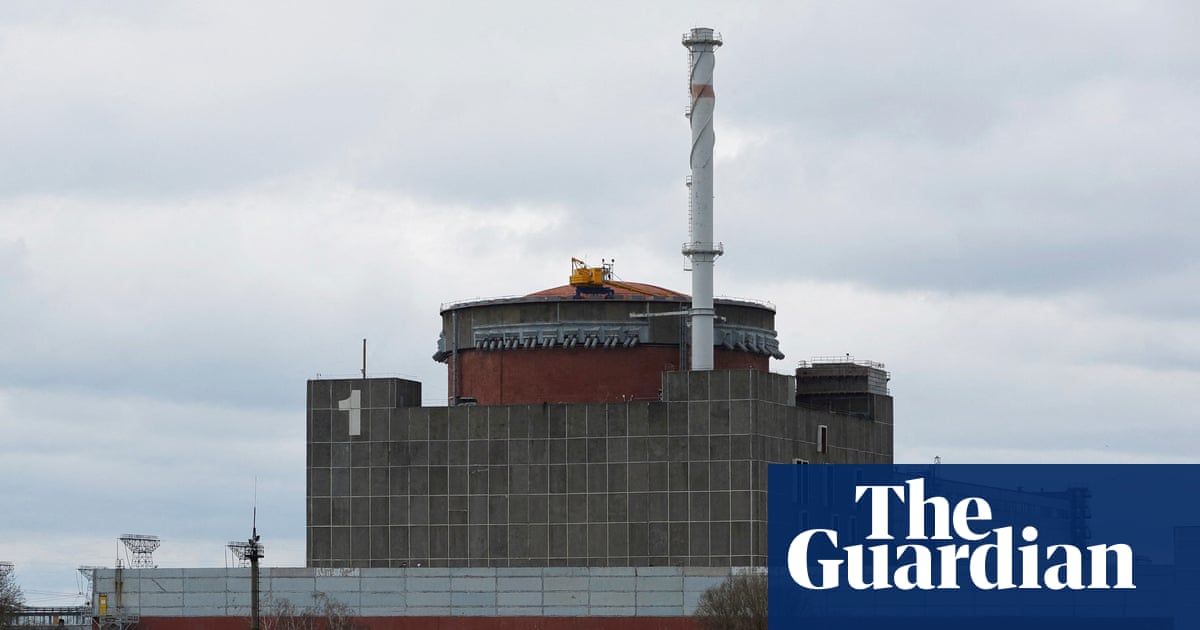
Zaporizhzhia NPP at the Center of Renewed Tensions Amidst Drone Incident
The Zaporizhzhia Nuclear Power Plant (ZNPP), Europe's largest nuclear facility, has once again become a focal point of the ongoing conflict between Russia and Ukraine, trending globally following claims of a drone strike. Russian authorities have accused Ukraine of deliberately targeting the plant with a drone, alleging that one of its reactors was hit. However, Ukrainian officials have strongly refuted these accusations, asserting that their forces were not responsible for any attack on the nuclear facility and suggesting that Russia might be fabricating incidents to escalate tensions.
What Happened?
Reports emerged detailing an incident at the Zaporizhzhia Nuclear Power Plant where Russian officials claimed a Ukrainian drone struck the facility. According to these claims, the drone attack targeted a specific unit of the plant. This accusation has been met with swift and firm denials from Ukraine's defense forces and government representatives. They have categorically rejected the notion that their military assets were involved in any deliberate strike against the nuclear power station, framing the Russian allegations as disinformation or provocation.
Why It Matters: Nuclear Safety and Escalation Risks
The Zaporizhzhia Nuclear Power Plant has been under Russian occupation since March 2022, and its proximity to active combat zones has been a persistent source of international alarm. Any military activity in the vicinity of a nuclear power plant carries catastrophic potential, raising fears of a nuclear accident that could have devastating consequences for the region and beyond. The International Atomic Energy Agency (IAEA) has continuously monitored the situation and repeatedly called for measures to ensure the safety and security of the plant, including the establishment of a demilitarized zone.
The conflicting narratives surrounding this incident underscore the perilous state of nuclear safety in a conflict zone. Each accusation and denial intensifies the risk of miscalculation or deliberate escalation.
The trending nature of "zaporizhzhya npp" today is directly linked to these latest allegations and denials. The ZNPP is a critical piece of Ukraine's energy infrastructure, and its safe operation is paramount. The ongoing occupation and the increased military activity in and around the facility create a volatile environment. International bodies like the IAEA are engaged in efforts to de-escalate the situation and ensure that the plant remains secure, but the current geopolitical climate makes such efforts exceptionally challenging.
Background Context: A History of Concerns
Since the full-scale Russian invasion of Ukraine began in February 2022, the Zaporizhzhia Nuclear Power Plant has been a recurring concern. The plant was among the first major Ukrainian infrastructure targets seized by Russian forces. Numerous incidents have been reported over the past years, including shelling in proximity to the plant, power outages affecting its cooling systems, and personnel issues due to the occupation. These events have led to repeated warnings from the IAEA and global leaders about the potential for a nuclear disaster.
The plant's six VVER-1000 reactors require a constant supply of electricity for essential safety functions, such as cooling the spent fuel. Damage to power lines or the plant itself can jeopardize these critical systems. The conflicting information surrounding the drone incident is characteristic of the information warfare that accompanies the physical conflict, making it difficult for independent observers to ascertain the precise events on the ground.
What to Expect Next
Following this latest alleged drone strike and the subsequent denials, several outcomes are possible. The situation will likely remain under intense scrutiny by international observers and the IAEA. Further investigations into the incident may be called for, though access and impartial verification are severely hampered by the ongoing military occupation. The ZNPP's operational status and safety parameters will continue to be monitored closely.
The conflicting claims could also be a precursor to further escalation or disinformation campaigns from either side. It is crucial for international actors to continue advocating for the plant's demilitarization and for adherence to the principles of nuclear safety. Public attention is expected to remain high, driven by the inherent danger associated with military actions near nuclear facilities. The global community will be looking for clear, verifiable information and a de-escalation of hostilities around the site.
The recurring nature of these incidents highlights the urgent need for a resolution to the broader conflict to ensure the long-term safety of nuclear facilities in Ukraine. Until then, the Zaporizhzhia NPP will likely remain a symbol of the profound risks posed by warfare in the nuclear age.