Alaska Airlines Joins American Airlines in Atlantic and Pacific Joint Businesses
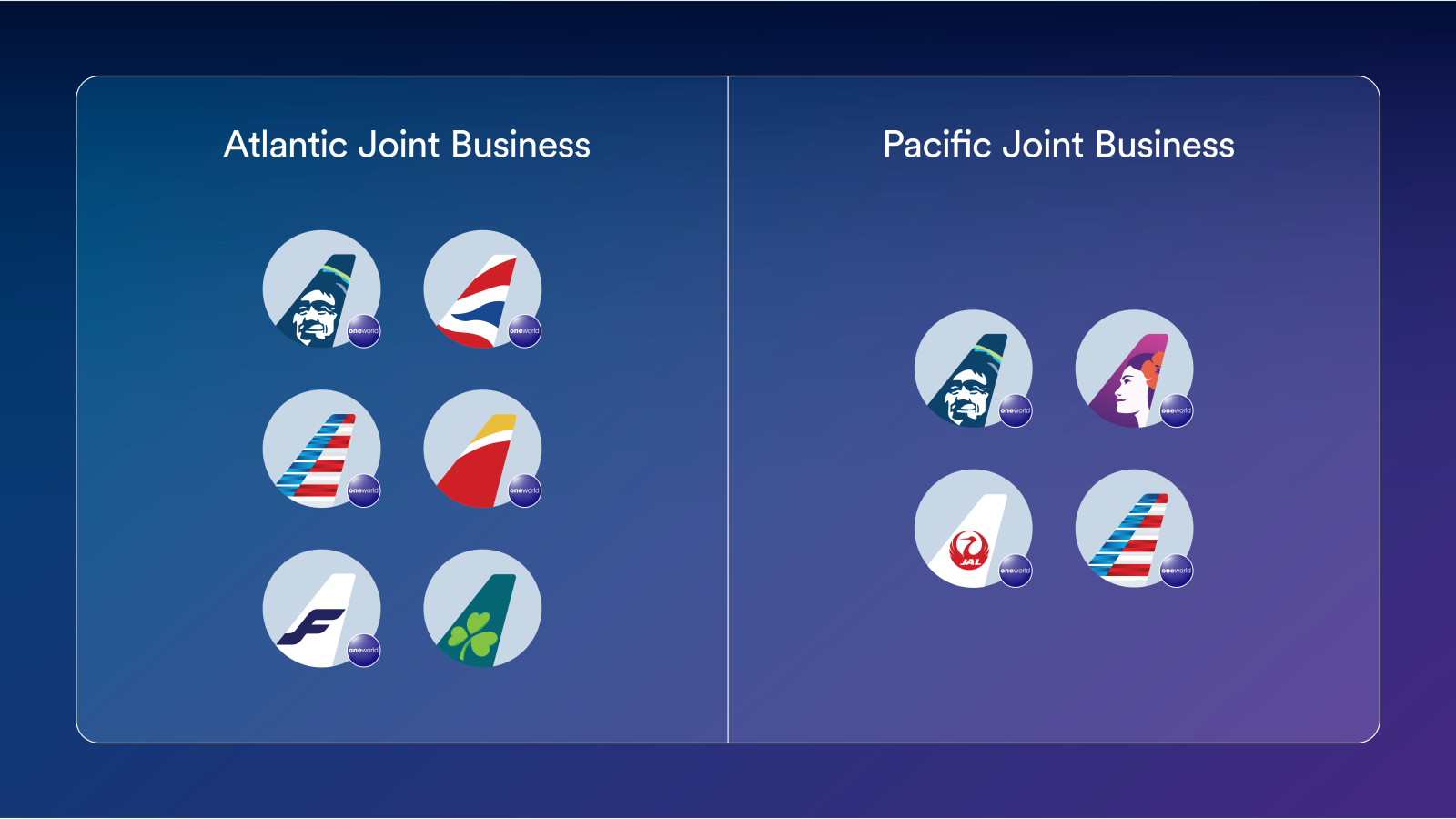
The aviation landscape is witnessing a significant shift as Alaska Airlines prepares to join American Airlines in their established Atlantic and Pacific Joint Businesses. This strategic move, announced recently, marks a substantial evolution of the partnership between the two carriers and is poised to reshape networks and customer offerings for millions of travelers. The expansion, however, is contingent upon receiving the necessary regulatory approvals.
What Happened?
American Airlines and Alaska Airlines have officially announced plans for Alaska Airlines to become a part of the existing Atlantic and Pacific Joint Businesses. These joint businesses are essentially collaborative ventures where the airlines coordinate their international routes, share revenue, and align their customer benefits. For Alaska Airlines, this means a much deeper integration with American Airlines' extensive global network, particularly across the Atlantic and Pacific oceans. Previously, Alaska Airlines had been a partner of American Airlines but was not included in these specific revenue-sharing agreements that involve coordinated operations and marketing on key international routes. The Bloomberg report highlights that this move involves a revenue-sharing pact, indicating a more profound level of cooperation and shared financial interests than a typical codeshare agreement.
Why Does This Matter?
This partnership advancement holds significant implications for both airlines and, more importantly, for consumers. For American Airlines, integrating Alaska into these joint businesses strengthens its position in key markets and enhances its ability to compete with other major global alliances. For Alaska Airlines, it provides a gateway to international destinations and a broader customer base that it could not previously access effectively through its own operations. Customers can anticipate a more seamless travel experience when flying between the U.S. and Europe or Asia, with potentially more flight options, better connectivity, and a more unified approach to loyalty programs. Passengers who are members of either airline's frequent flyer program may soon see expanded opportunities to earn and redeem miles across a wider array of international flights operated by both carriers. This enhanced cooperation aims to offer a competitive alternative to the global alliances that dominate international air travel.
Background Context
Alaska Airlines and American Airlines have a long-standing relationship. Alaska joined the Oneworld alliance in 2021, an alliance that American Airlines is also a founding member of. This existing alliance membership already facilitated a degree of cooperation. However, the current development goes beyond the general framework of the Oneworld alliance. The "joint business" structure allows for a more focused and intensive collaboration between specific partners on designated international routes. These arrangements are typically subject to stringent review by antitrust regulators in various jurisdictions to ensure they do not unduly harm competition or consumer choice. The move reflects a broader trend in the airline industry where carriers seek deeper partnerships to expand their reach and offer a more comprehensive global product, often in response to the dominance of major global airline alliances like Star Alliance, SkyTeam, and the other members of Oneworld.
What to Expect Next
The immediate next step for this partnership is the regulatory review process. Antitrust authorities will scrutinize the proposed joint businesses to assess their impact on competition. This review can be a lengthy and complex process, often involving requests for data and potentially public consultations. If approved, the airlines will then move towards integrating their operations further within the scope of these joint businesses. Travelers can look forward to:
- Expanded Route Networks: More options for travel between North America and Europe/Asia.
- Enhanced Schedule Coordination: Potentially better flight times and more connecting opportunities.
- Unified Loyalty Programs: Easier earning and redemption of miles/points across more flights.
- Improved Customer Experience: A more seamless journey from booking to baggage claim.
However, the degree of integration and the specific benefits will become clearer as the airlines finalize operational details post-approval. It is also possible that competitors or consumer groups may raise concerns during the regulatory review, which could influence the outcome or the conditions attached to approval. The success of this venture will ultimately hinge on navigating regulatory hurdles and effectively capitalizing on the synergies between the two airline networks.
"This deepened partnership is a testament to our shared commitment to offering customers more choices and a seamless travel experience across the globe. We are excited about the possibilities this integration brings."
- (Hypothetical statement reflecting the strategic intent)