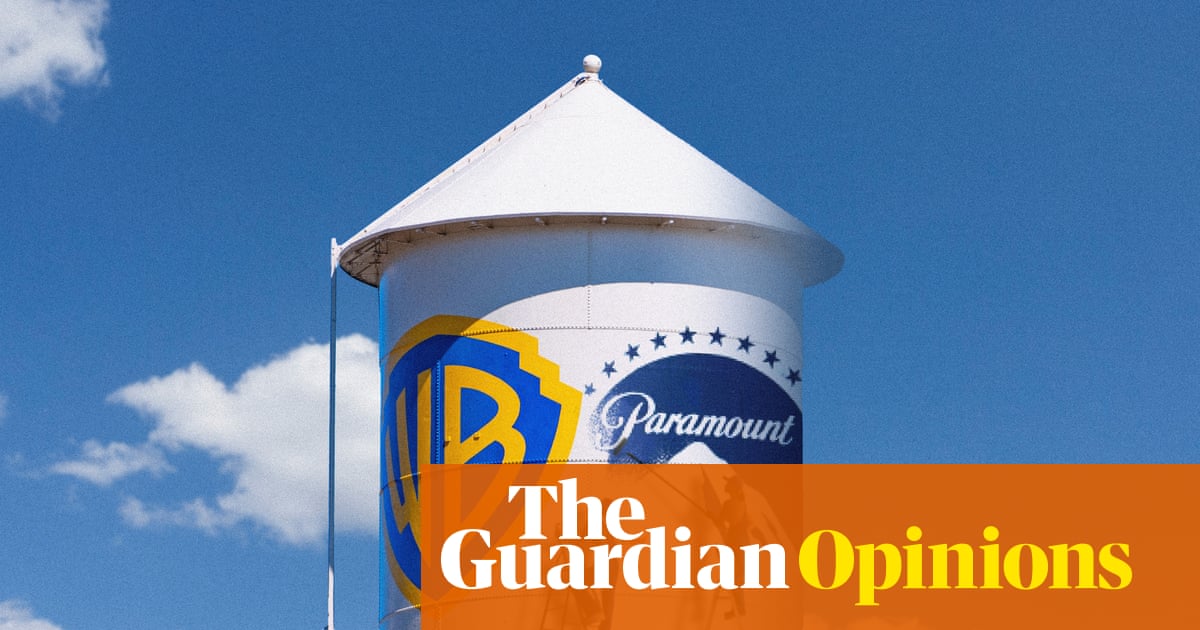
Benedict Cumberbatch Joins Star-Studded Plea to Block Paramount-Warner Bros. Merger
Benedict Cumberbatch, a globally recognized actor known for his roles in Sherlock and the Marvel Cinematic Universe, has recently become a focal point in the trending news cycle. His involvement, alongside esteemed actors Alan Cumming and Benedict Wong, in a public call for the UK government to block a significant media merger is drawing considerable attention. The trio have authored a powerful op-ed detailing their concerns that the proposed union between Paramount Global and Warner Bros. Discovery could have devastating consequences for the UK's vibrant television and cinema industries.
What Happened? The Appeal Against a Mega-Merger
The core of the trending story is an open letter or op-ed penned by Cumberbatch, Cumming, and Wong, which was published and amplified by major industry news outlets like Variety and Forbes. In this piece, the actors explicitly urge the UK's Competition and Markets Authority (CMA) and the government to step in and prevent the potential merger of Paramount Global and Warner Bros. Discovery. They articulate a clear and urgent message: this deal poses a significant threat and could "inflict immense harm" on the creative sector within the United Kingdom.
The actors' plea highlights specific anxieties regarding the potential impact on production, distribution, and ultimately, the content available to audiences. Their intervention suggests a belief that such a large-scale consolidation of media assets could lead to a reduction in diversity of content, fewer opportunities for British creatives, and potentially a less competitive market overall, which they argue is detrimental to both the industry and the public.
Why It Matters: Protecting the UK's Creative Landscape
The involvement of such prominent figures like Benedict Cumberbatch lends significant weight and public visibility to the concerns surrounding media consolidation. Their voices, amplified through their public platforms and industry influence, bring the abstract business discussions of mergers and acquisitions into the public consciousness. The actors argue that the proposed deal isn't just a corporate transaction; it's a potential "calamity" for the viewing public and the creative professionals who supply the content.
"We are urging the UK government to act now to stop a potential media calamity that could be disastrous for what you watch and what you know."
— A direct quote reflecting the sentiment of the op-ed by the actors.
The implications of their warning are far-reaching. A healthier, more competitive media environment typically fosters innovation, supports a wider range of voices, and offers consumers more choice. Conversely, a concentrated market can lead to fewer creative risks being taken, a homogenization of content, and potentially higher prices or reduced accessibility for viewers. The actors' plea is essentially a defense of the current ecosystem and a call to preserve what they see as vital for the cultural and economic health of the UK's media sector.
Background Context: Media Mergers and the Paramount-Warner Bros. Speculation
The potential merger between Warner Bros. Discovery (WBD) and Paramount Global has been a subject of speculation within the media industry for some time. WBD, led by David Zaslav, has been reportedly exploring various strategic options, and a combination with Paramount has been one of the more prominent rumored possibilities. Such a merger would create a media giant with an extensive portfolio of film studios, television networks, and streaming services, including household names like HBO, CNN, Warner Bros., Paramount Pictures, CBS, and the streaming platforms Max and Paramount+.
The rationale behind such a mega-merger, from a business perspective, often involves achieving economies of scale, consolidating debt, and increasing market share in the increasingly competitive streaming wars. However, the proposed deal also faces significant regulatory scrutiny. Antitrust concerns are paramount, as regulators typically assess whether such a merger would unduly harm competition, leading to potential monopolies or reduced consumer choice.
Benedict Cumberbatch, Alan Cumming, and Benedict Wong are not just actors; they are also active participants in discussions about the future of their industry. Their decision to publicly voice their opposition, leveraging their status to influence government policy, underscores the severity of their concerns. This move echoes past instances where prominent figures in arts and culture have spoken out on matters they believe significantly impact their professional and creative domains.
What to Expect Next: Regulatory Scrutiny and Industry Response
The intervention by Cumberbatch and his co-signatories is likely to put additional pressure on the UK's regulatory bodies. While the ultimate decision rests on the legal and economic merits of the proposed merger, public sentiment and high-profile appeals can influence the intensity and focus of regulatory reviews. The CMA will be tasked with evaluating the deal based on competition law, considering potential impacts on consumers and the market.
It is expected that the media industry, both within the UK and internationally, will be closely watching the developments. Other stakeholders, including unions, independent producers, and advocacy groups, may also weigh in. The future of the deal remains uncertain, contingent on WBD's continued interest, Paramount's willingness to sell, and crucially, the outcome of regulatory approvals in various jurisdictions, including the UK.
Regardless of the final decision, the prominent stance taken by Benedict Cumberbatch and his colleagues highlights a growing unease among creatives about the increasing consolidation within the media landscape. It signals a potential for greater public and industry pushback against future mergers that are perceived to threaten the diversity and vitality of artistic expression and consumption.